
Colorado Garage Pros
Garage Door Spring Repair in Colorado
Wide daily temperature swings and altitude add extra cycling stress to springs, and mountain cold adds its own strain; spring work always stays a professional job, never a do-it-yourself fix.
Spring Repair · Colorado
Spring Repair for Colorado homes
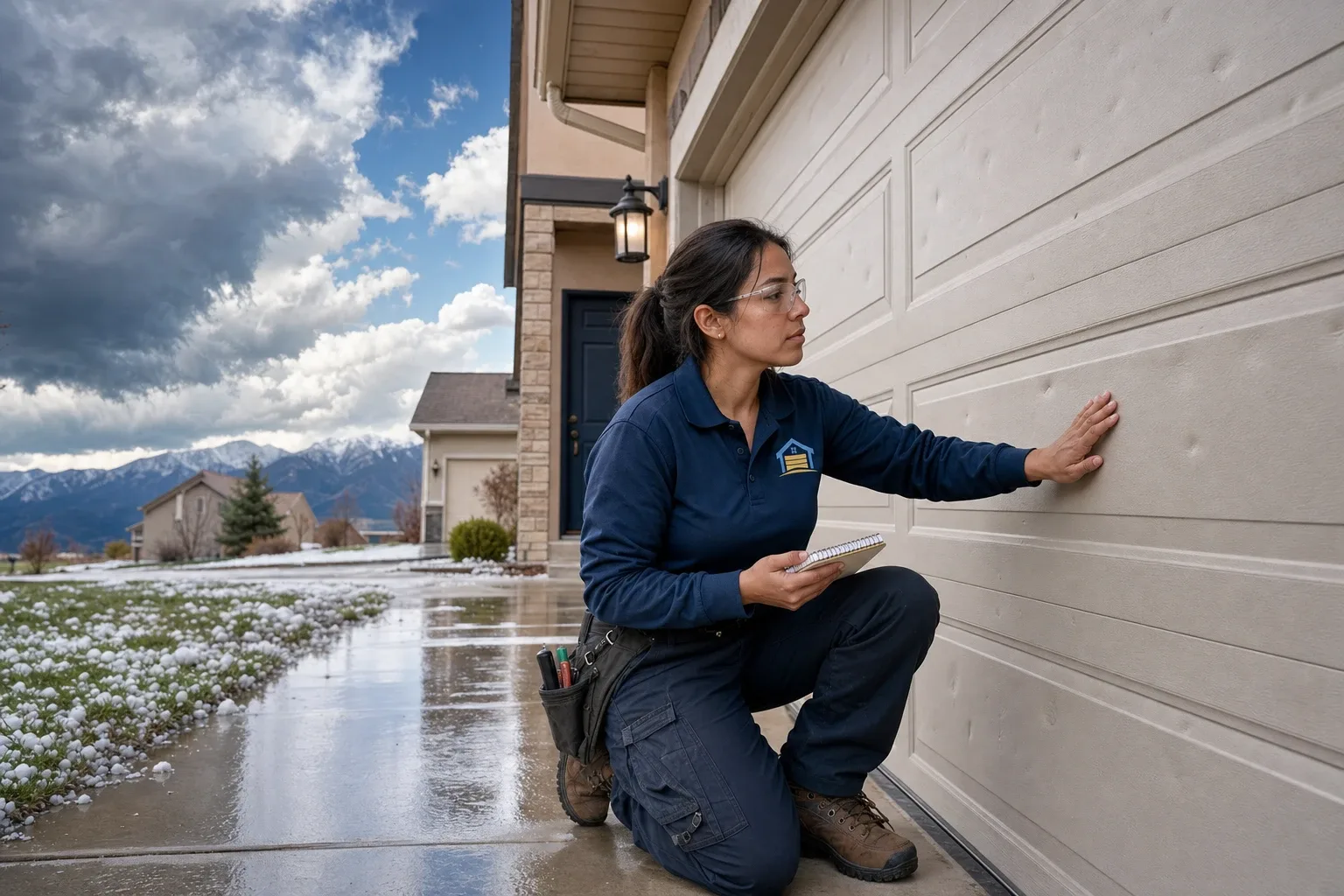
Springs on the Front Range face extra cycling stress from Colorado's wide day-to-night and day-to-day temperature swings, which can shorten a spring's working life compared to a steadier climate. High-altitude UV exposure adds to the wear on exposed coils over time.
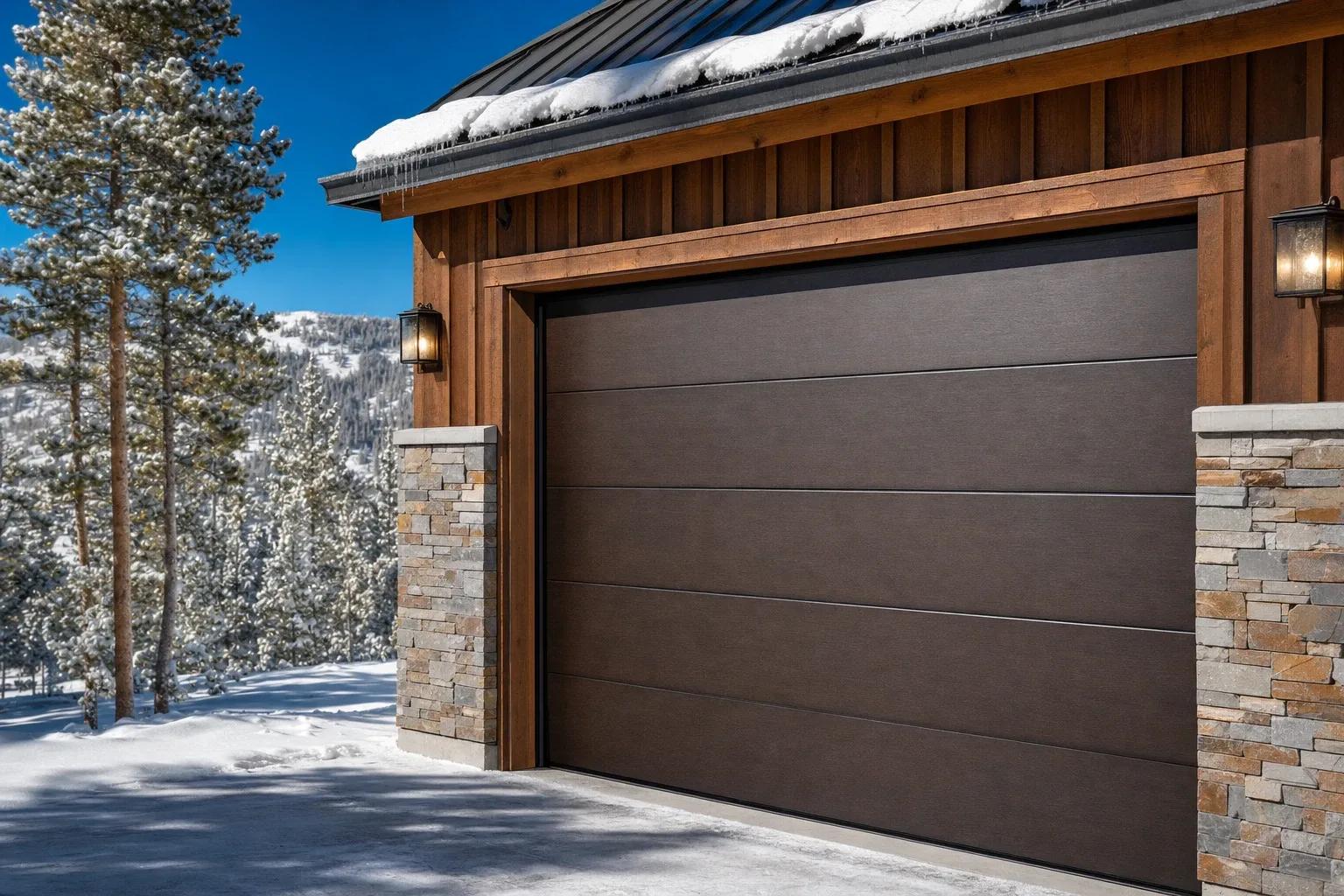
In the mountains, extreme cold is the bigger factor, since sustained sub-freezing temperatures can make a spring's metal more brittle. In both settings, spring work stays firmly in professional territory and is never a homeowner repair.
Colorado
What's different in Colorado
- 01
Watch for warning signs, not the spring itself
A door that suddenly feels much heavier or an audible bang from the garage are worth mentioning when requesting service, without inspecting the spring directly.
- 02
Cold makes springs more brittle
Extreme mountain cold in towns like Breckenridge or Vail can make an aging spring more prone to sudden failure than the same spring would be in a milder climate.
- 03
Altitude adds ordinary wear too
Even away from the mountains, high elevation across most of Colorado means more UV exposure and more freeze-thaw cycling than a spring would see at sea level, adding to normal wear over the years.
Know the signs
When you need spring repair
Common symptoms
- A loud bang from the garage, often followed by the door feeling very heavy
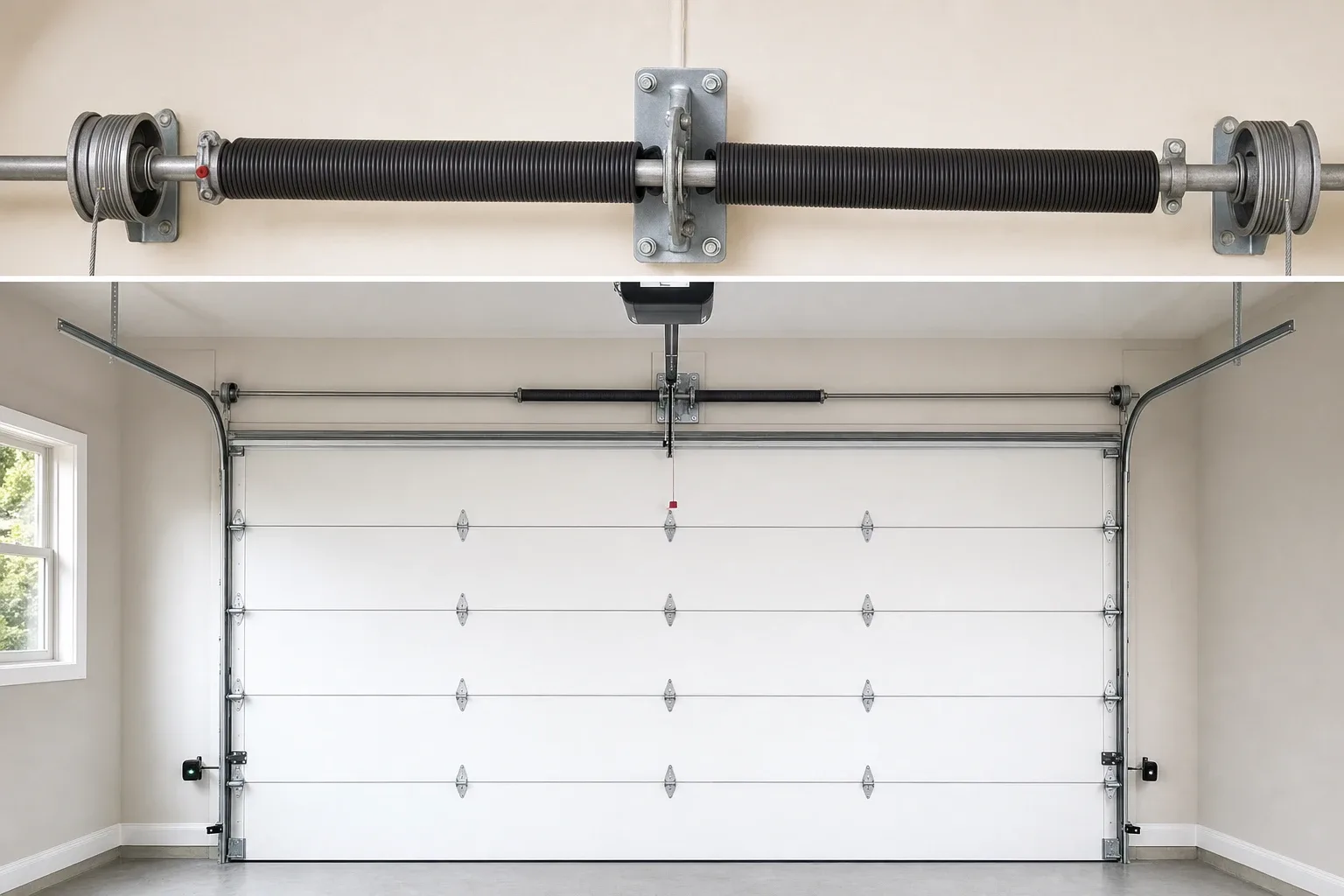
- Visible gap or separation in a torsion spring coil above the door
- Door won't stay open partway, or drops quickly when disconnected from the opener
- Opener strains, struggles, or makes grinding noises trying to lift the door
What the service covers
- Inspection of the spring system, shaft, bearing plate, and cable drums
- Safe release of any remaining tension in a damaged spring before removal
- Replacement or rebalancing of the spring set matched to the door's weight
- Test of door balance and smooth travel through a full cycle
The process
How the work is done
- 1
Confirm the spring is the issue
The spring, shaft, bearing plate, and drums are inspected, since a heavy or uneven door can sometimes point to a different cause.
- 2
Safely relieve stored tension
Any tension remaining in a damaged spring is released using proper winding bars and clamps before the spring is removed.
- 3
Fit and set the new spring
A spring matched to the door's weight and cycle needs is installed and wound to the correct tension on the shaft.
- 4
Balance and test the door
The door is cycled to confirm it lifts evenly, holds position when partly open, and the opener no longer strains.
Cost factors
What affects the price
Prices aren't published because they depend on your door, the parts involved and the access to the work. These are the things that move the cost — ask for the price before any work starts.
- Spring type
- Torsion springs mounted on a shaft above the door and extension springs alongside the upper tracks use different parts and setup.
- Number of springs
- Heavier doors often use two torsion springs rather than one, which affects the parts needed.
- Door weight and cycle life
- A heavier door, or one that opens frequently, needs a spring rated for more cycles.
- Condition of related hardware
- Worn cables, drums, or a bent shaft found during inspection may need attention at the same time.
Safety first
- Never attempt to loosen, wind, cut, or remove a torsion or extension spring yourself — the stored tension can cause serious injury or death.
- Do not disconnect the opener or try to manually lift a door with a broken spring; the door can be significantly heavier than expected.
- Keep children, pets, and vehicles away from a garage with a known spring problem until it has been inspected.
Safe things to check first
- From a safe distance, look at the torsion spring above the door for a visible gap in the coil or a section that looks separated — do not touch it.
- Note whether you heard a loud bang from the garage, which often means a spring has broken, and avoid using the door until it's inspected.
Answers
Spring Repair questions in Colorado
Can Colorado's temperature swings shorten a garage door spring's life?
Yes, wide daily and seasonal temperature swings, along with strong high-altitude sun, add extra cycling stress that can wear a spring faster than in a steadier climate.
Is it safe to repair a garage door spring myself in Colorado?
No. A spring under tension can cause serious injury, and cold mountain temperatures can make an aging spring even more unpredictable, so this is always a professional job.
What are early warning signs a Colorado garage door spring needs attention?
A door that feels heavier than usual to lift by hand, visible rust or gaps in the coil, or uneven movement are reasons to request an inspection rather than wait.
Related
Related services
Colorado Garage Pros
Request service
Send the details in two quick steps. This isn't a booking — we contact you to confirm the problem, the timing and the location first.
Sources
- TDS #190 — Factors Affecting Spring Cycle Life — Door & Access Systems Manufacturers Association (DASMA) (accessed 2026-09-24)
- Government and Industry Move To Reduce Garage Door Opener Child-Entrapment Deaths — U.S. Consumer Product Safety Commission (accessed 2026-09-24)