
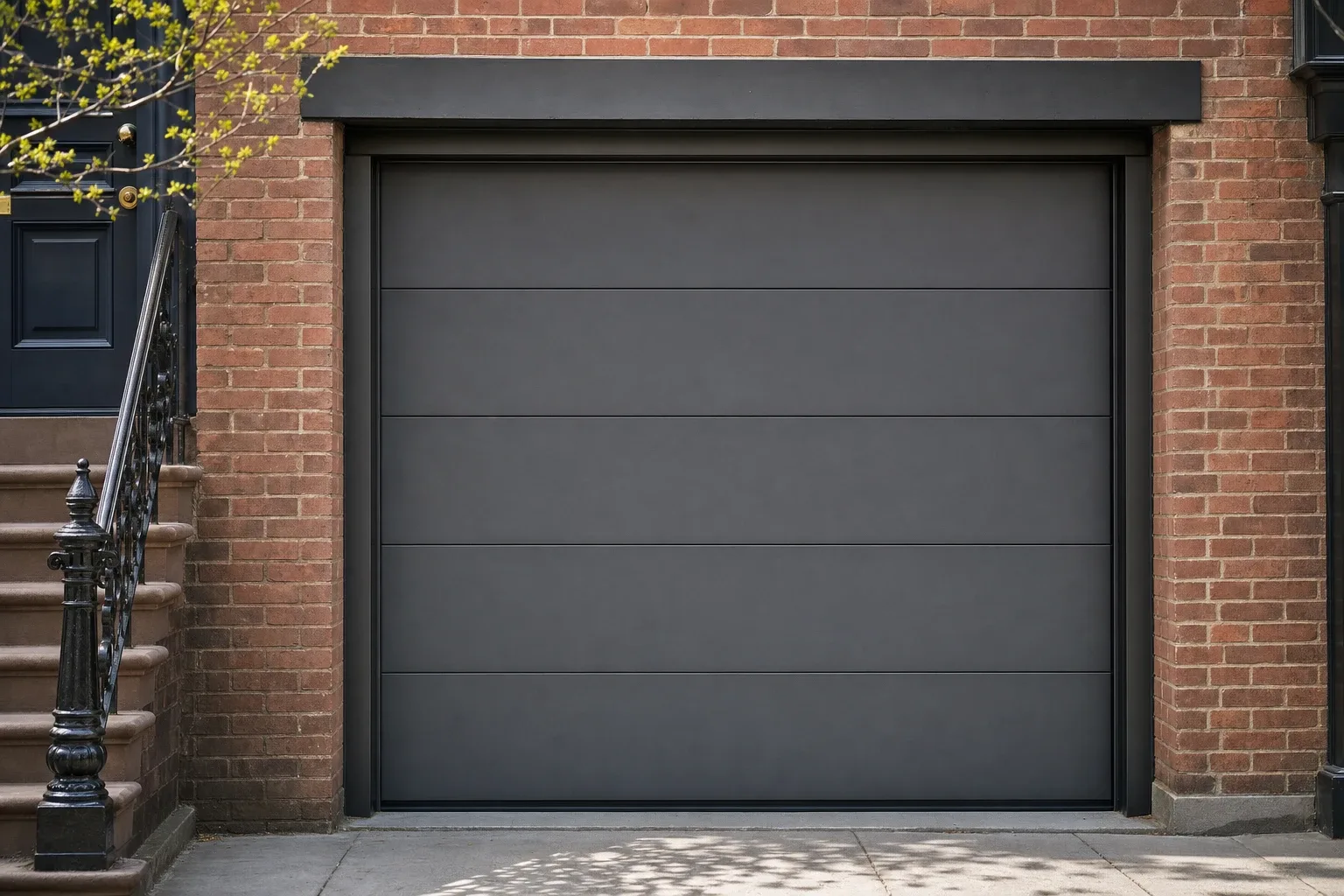
The short answer
A garage door that will not budge after a lake-effect snow cycle is possibly ice bonding the weatherstrip to the slab, not a broken opener. Gentle, safe steps usually free it, and forcing the door risks bending the bottom section or straining the opener.
Why This Happens in Upstate New York
Western and Central New York's frequent lake-effect snow cycles mean melting snow or slush against the base of a door can refreeze overnight more often than in a milder climate, gluing the rubber weatherstrip to the concrete floor or threshold.
Safe Steps to Try
Clear away visible snow from around the base of the door, then gently chip away the ice or use warm water to melt it, taking care not to tear the seal. Test the opener once; if the door doesn't lift freely, stop right there instead of trying again, since repeated attempts can strain the drive mechanism or bend the bottom panel.
When to Request Service
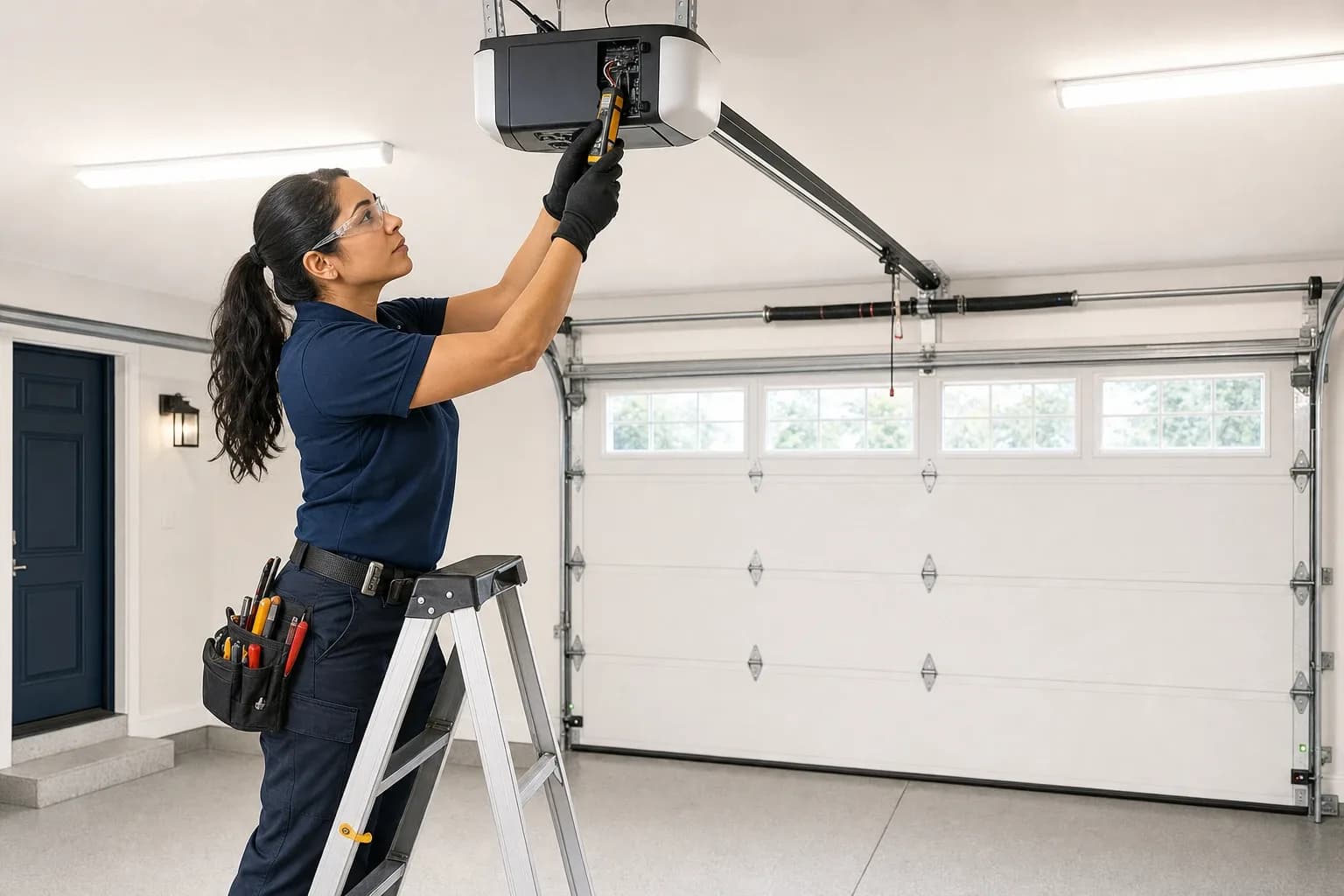
If a light, careful attempt doesn't free the door, or the opener sounds like it's straining against something, stop and request service instead of continuing to force it. A technician can release the door without damaging the seal, panel, or opener, and can check whether the bottom seal needs replacing before the next hard freeze.
Published by New York Garage Pros, a regional brand of USA Garage Pros · Updated 2026-10-19