
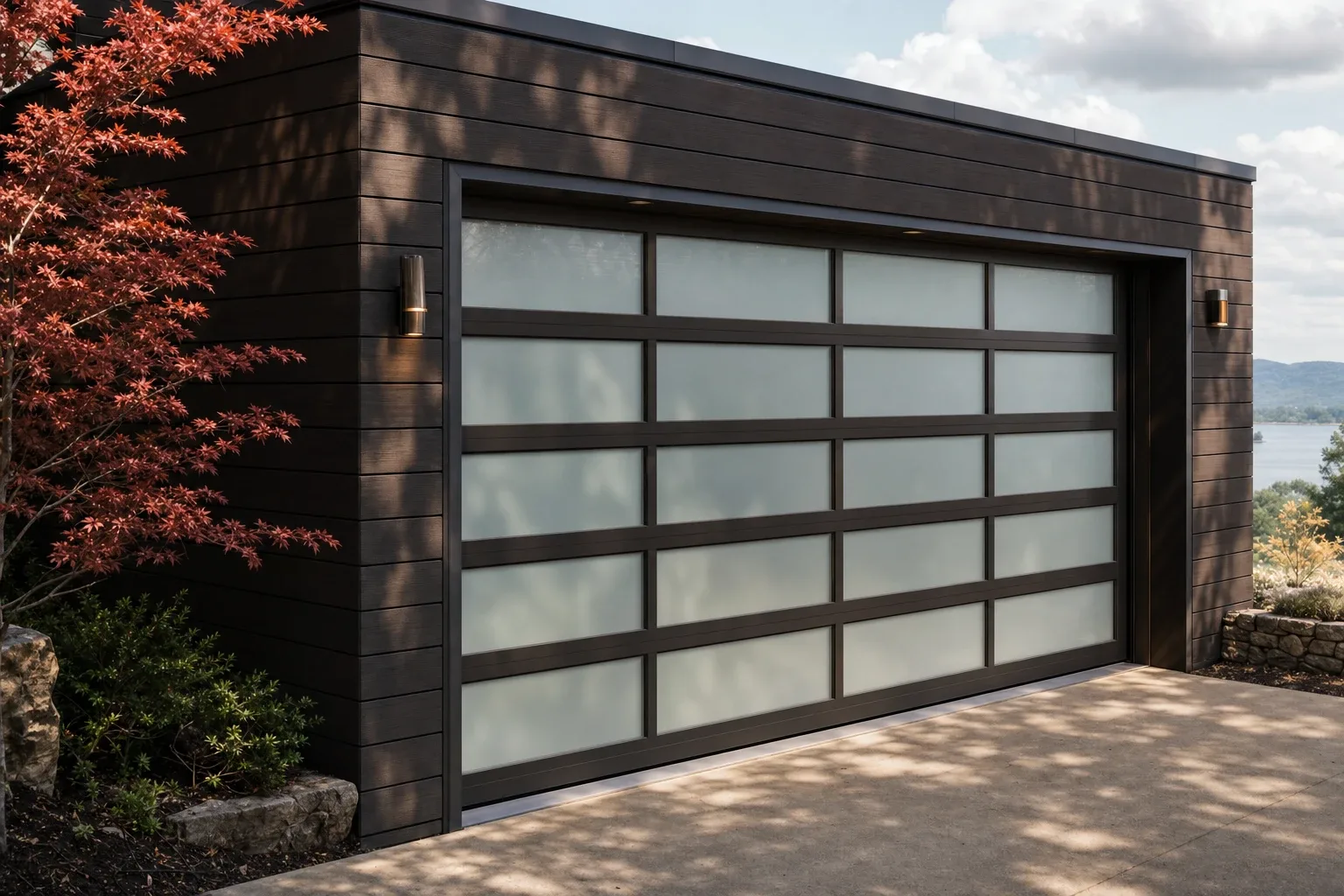
The short answer
If freezing rain has bonded the bottom seal to the concrete, do not force the opener. Break the ice bond gently by hand or with warm water along the seal line, then request service if the door still won't move freely or anything sounds different when it does.
Why this happens in Tennessee
Tennessee doesn't see ice storms every winter, but when an arctic front meets moisture, freezing rain can settle along the bottom of a garage door and bond the rubber seal to the slab overnight.
What to check before you try to open it
Look at the bottom seal line for visible ice, and check whether the door is frozen only at the bottom or also stuck along the side weatherstrip. If the opener has already tried and failed to lift the door, stop using the remote — forcing a door that is frozen to the floor can rip the weatherseal and put extra strain on the opener.
- Disconnect the opener before attempting anything by hand, using the manual release cord
- Do not force the opener or pry the door loose. Keep electrical appliances away from meltwater. Follow the door manufacturer’s thawing guidance, keep the area dry to prevent refreezing, and request service if the seal cannot be released safely.
- Never pry at the door with a bar or tool near the bottom corners where cables and brackets sit
When to request service
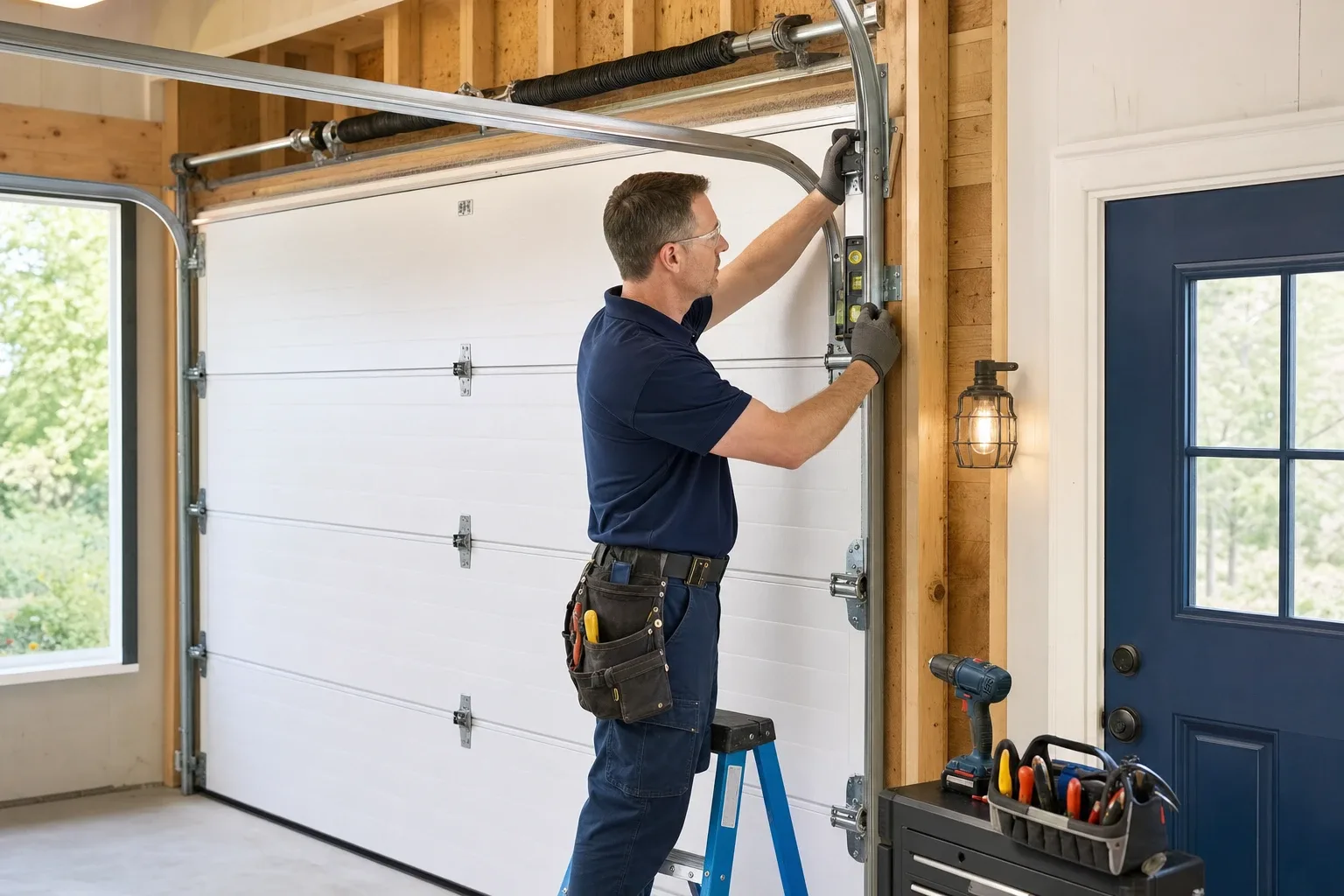
If the door still won't move freely after the ice has melted, or if it moves unevenly, makes a new noise, or the opener seems to be struggling, request service. A door forced through ice can rip its weatherseal or suffer other damage that isn't obvious until the next time it's used.
Published by Tennessee Garage Pros, a regional brand of USA Garage Pros · Updated 2026-10-19