
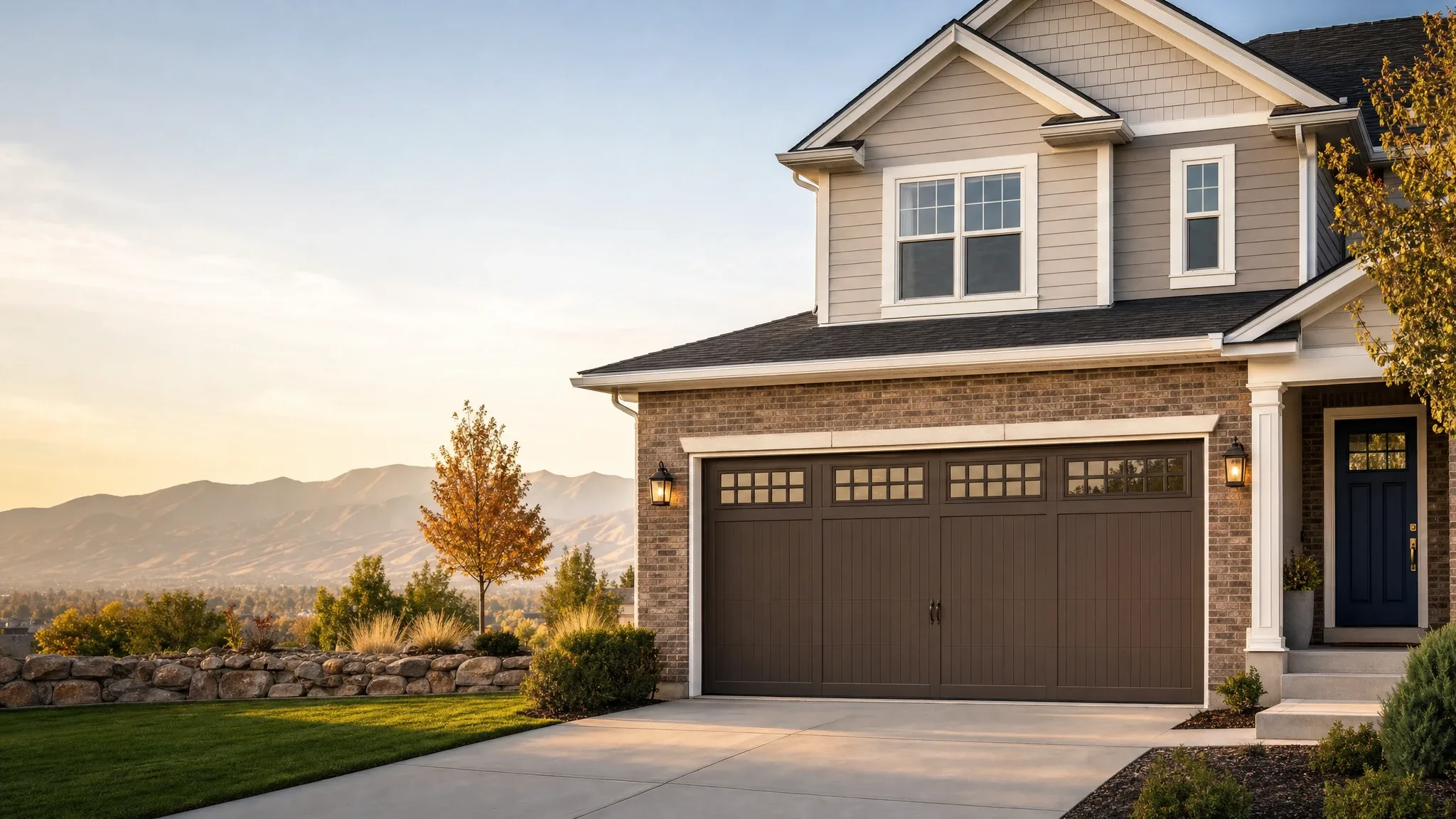
Garage Doors. A Stronger Utah.
Garage Door Installation & Repair in Utah
Request service for garage door repair, installation, or replacement from the Wasatch Front to Utah's red-rock south.
- Repairs for springs, openers, cables, rollers and tracks
- New door selection, replacement and installation
- Advice written for Utah homes and weather
Request Service
Utah Garage Pros — tell us what's happening.
Utah Garage Pros
Garage door information for Utah homes
Utah's garage doors deal with a wide spread of conditions packed into one state. Along the Wasatch Front — Salt Lake City, Ogden, and the valley suburbs between them — winter brings the Great Salt Lake's own lake-effect snow bursts on top of the usual mountain storms, plus stretches of trapped, stagnant cold air during inversion season. Utah Valley to the south shares much of that winter pattern but grows a bit milder. Cache Valley, tucked against the Idaho border, holds onto frost and cold longer than the lower Wasatch Front. Far to the south, St. George and the Dixie region sit in a hot desert with mild winters and summer heat that regularly tops 100°F.
Housing reflects that spread too. Salt Lake City and Ogden have entire neighborhoods of early-to-mid-1900s homes with narrow lots and detached, alley-access garages, while Utah Valley's Provo and Orem mix university-era housing with newer bench developments climbing toward the foothills. St. George has grown quickly with newer stucco homes built for desert heat, and mountain communities in the Wasatch Back around Park City favor heavier, snow-rated doors built for a serious mountain snowpack.
Elevation is part of the story too. The Wasatch Front, Utah Valley, and Cache Valley all sit above 4,000 feet, and mountain towns like Park City climb well past that, while St. George's desert corner in the far southwest sits under 3,000 feet — one reason it runs so much warmer. What ties the state together is dryness: low humidity from the valley floor to the mountains can dry out wood trim, rubber seals, and weatherstripping faster than a more humid climate would. A door and service plan suited to a Salt Lake City bungalow isn't necessarily right for a St. George desert home or a Park City ski chalet, and Utah's spread of terrain is exactly why the details matter.
- Wasatch Front / Salt Lake Valley (Salt Lake City, West Jordan)
- Dense urban and suburban corridor with winter inversions and Great Salt Lake-effect snow bursts.
- Utah Valley (Provo, Orem)
- Fast-growing university-area valley with a mix of older in-town housing and newer bench developments.
- Cache Valley (Logan)
- High agricultural valley near the Idaho border that holds onto cold and frost longer than the lower Wasatch Front.
- Dixie / St. George
- Hot desert region in Utah's southwest corner with mild winters and extreme summer heat.
- Wasatch Back (Park City)
- Mountain resort terrain with a heavy annual snowpack and higher-end, snow-rated construction.
Every request is reviewed before anything is scheduled.
Services
Utah garage door services
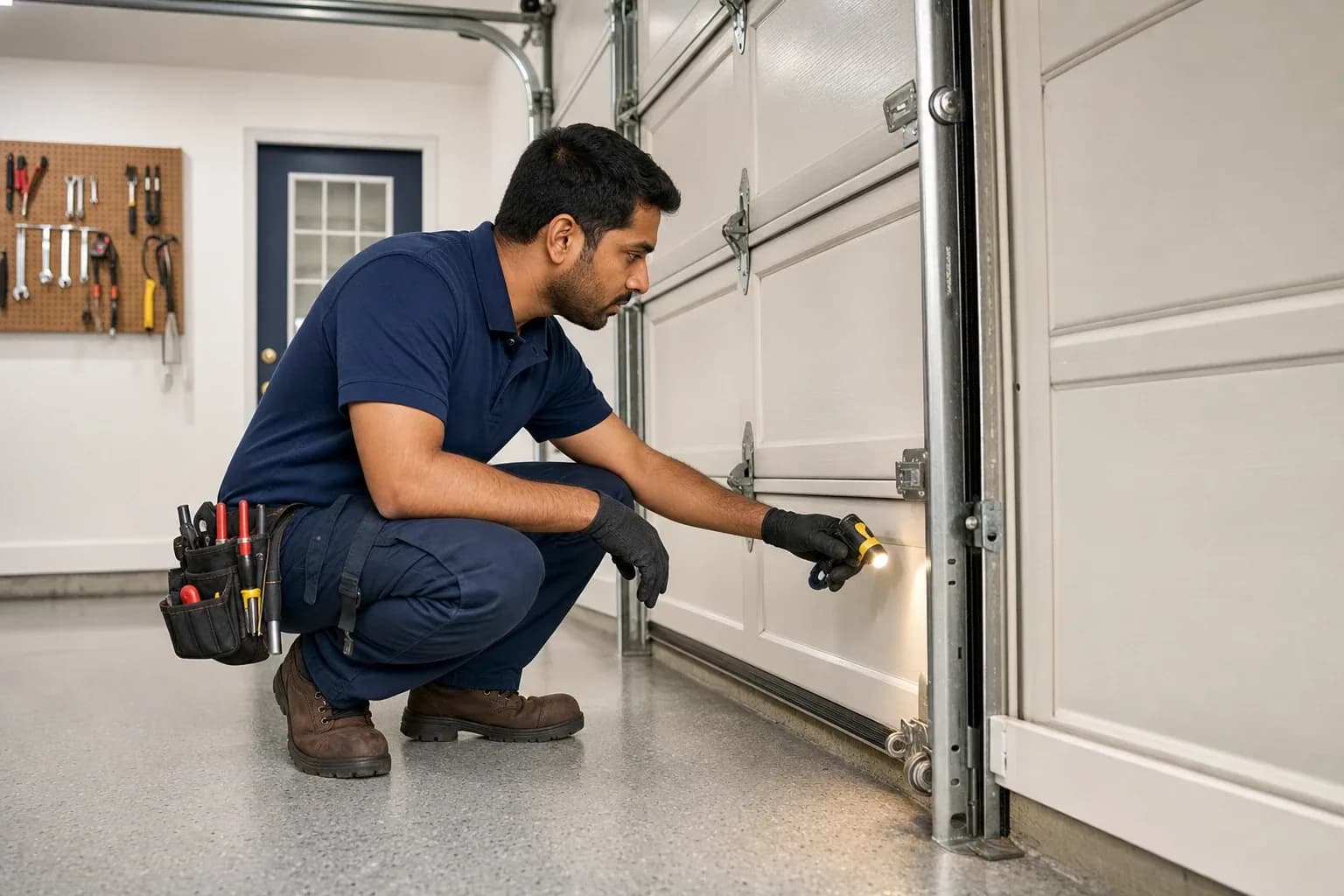
Illustrative image Repair
Repair needs shift with the season along the Wasatch Front, from lake-effect snow bursts in winter to sun and dust in the dry summer months.
Repair details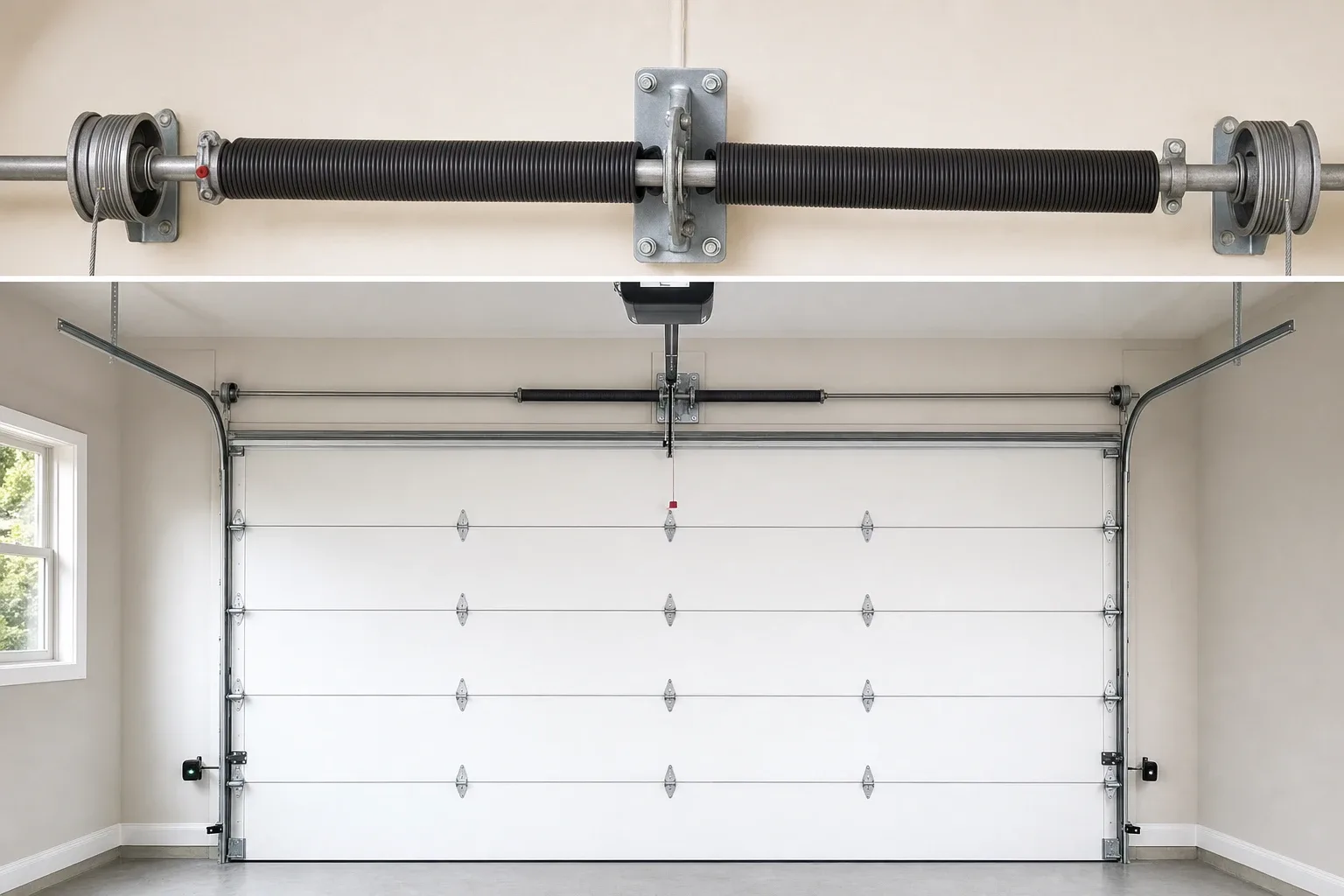
Illustrative image Spring Repair
Extended cold during Wasatch Front winter inversions keeps torsion springs under stress longer than a short cold snap would, which can accelerate wear on an aging spring.
Spring Repair details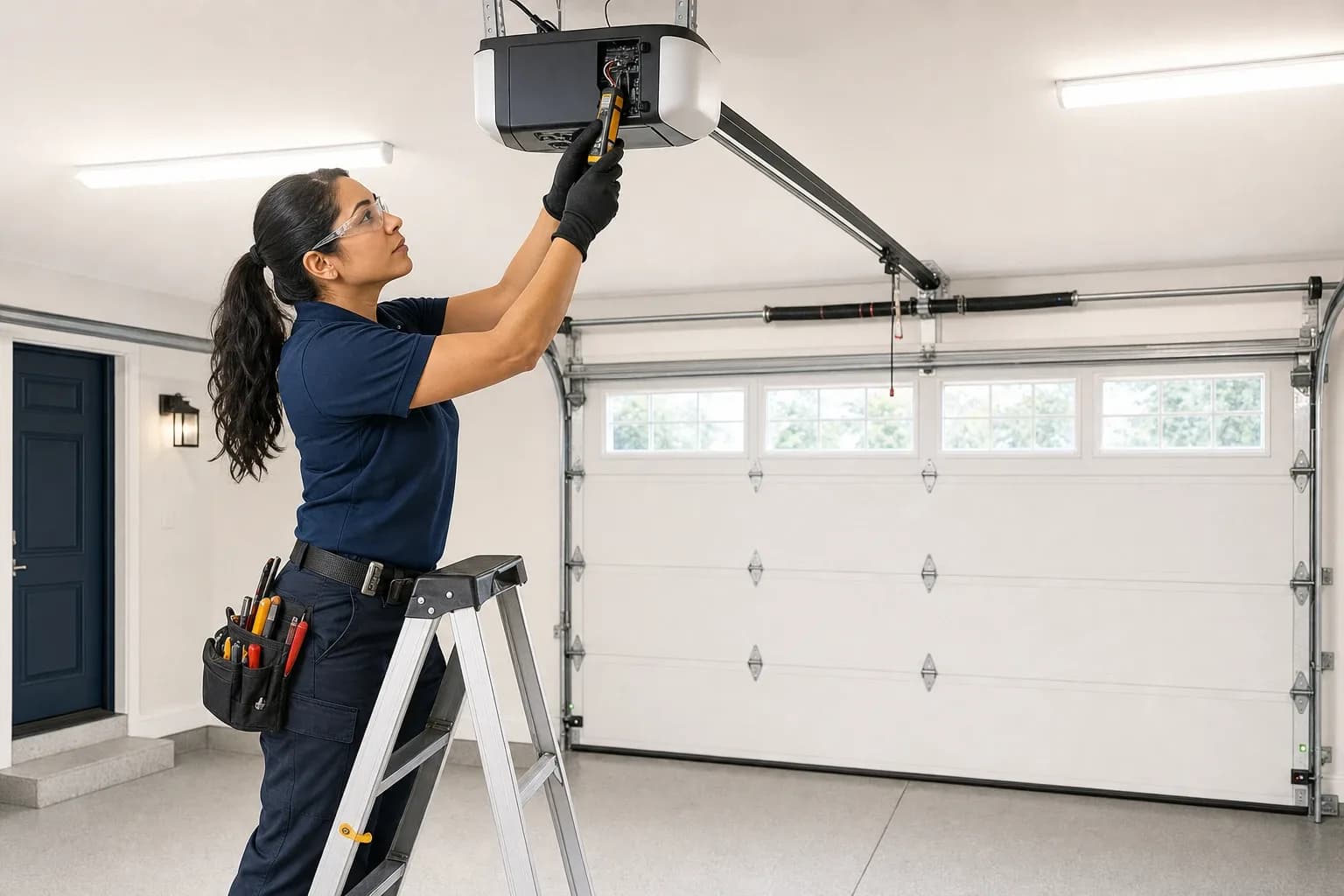
Illustrative image Opener Repair
Openers in older Salt Lake City and Ogden garages, especially detached alley units, may still run outdated hardware that benefits from an upgrade alongside any repair.
Opener Repair details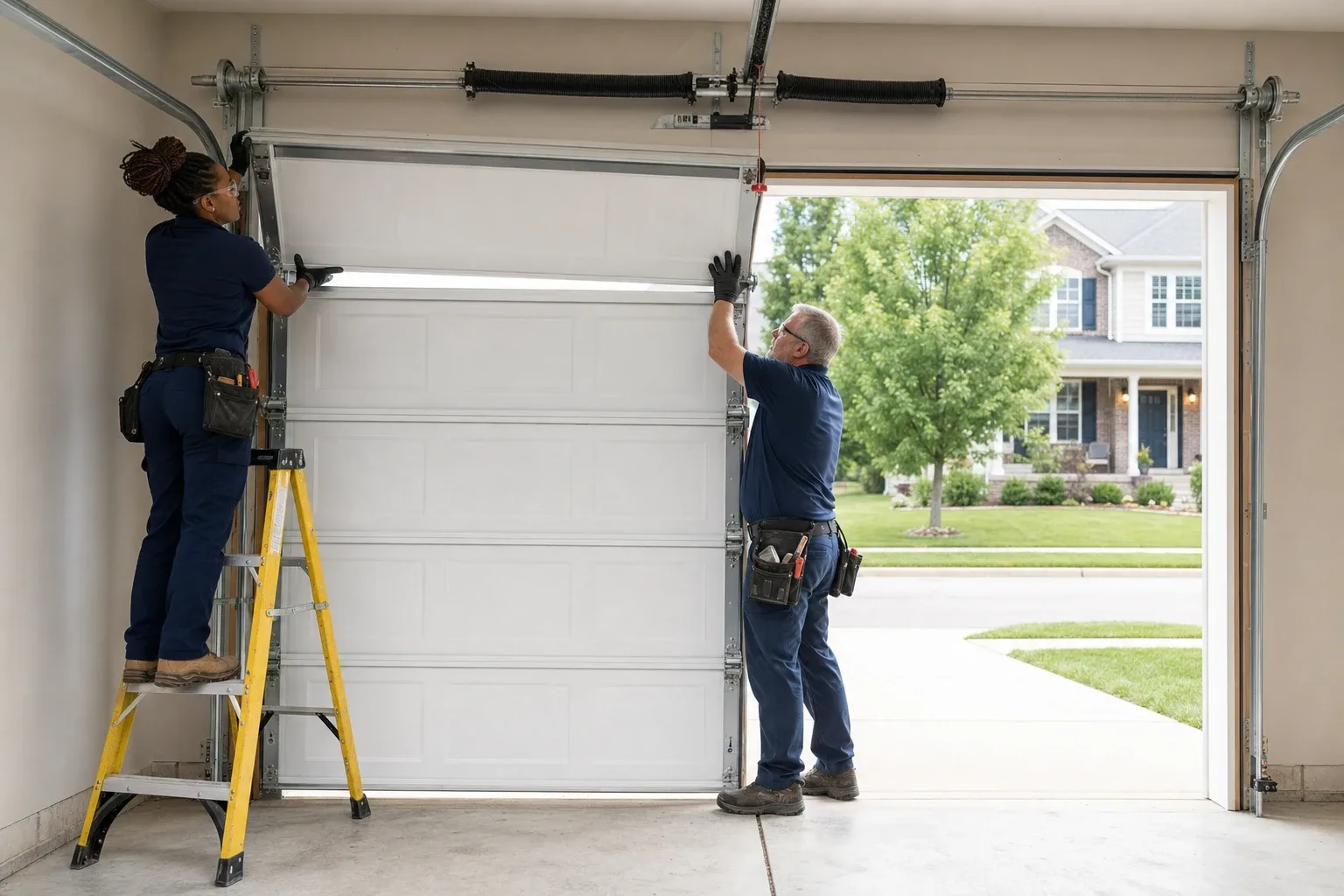
Illustrative image Replacement
In Salt Lake City and Ogden, replacement often comes up for older homes with narrow, alley-access garages, where the original door and opening predate today's standard sizes and insulation expectations.
Replacement detailsIllustrative image Installation
Utah Valley and St. George have both added housing quickly, and a lot of that new construction still carries its original builder-grade door — installation requests there are as often a first upgrade as they are an age-related replacement.
Installation details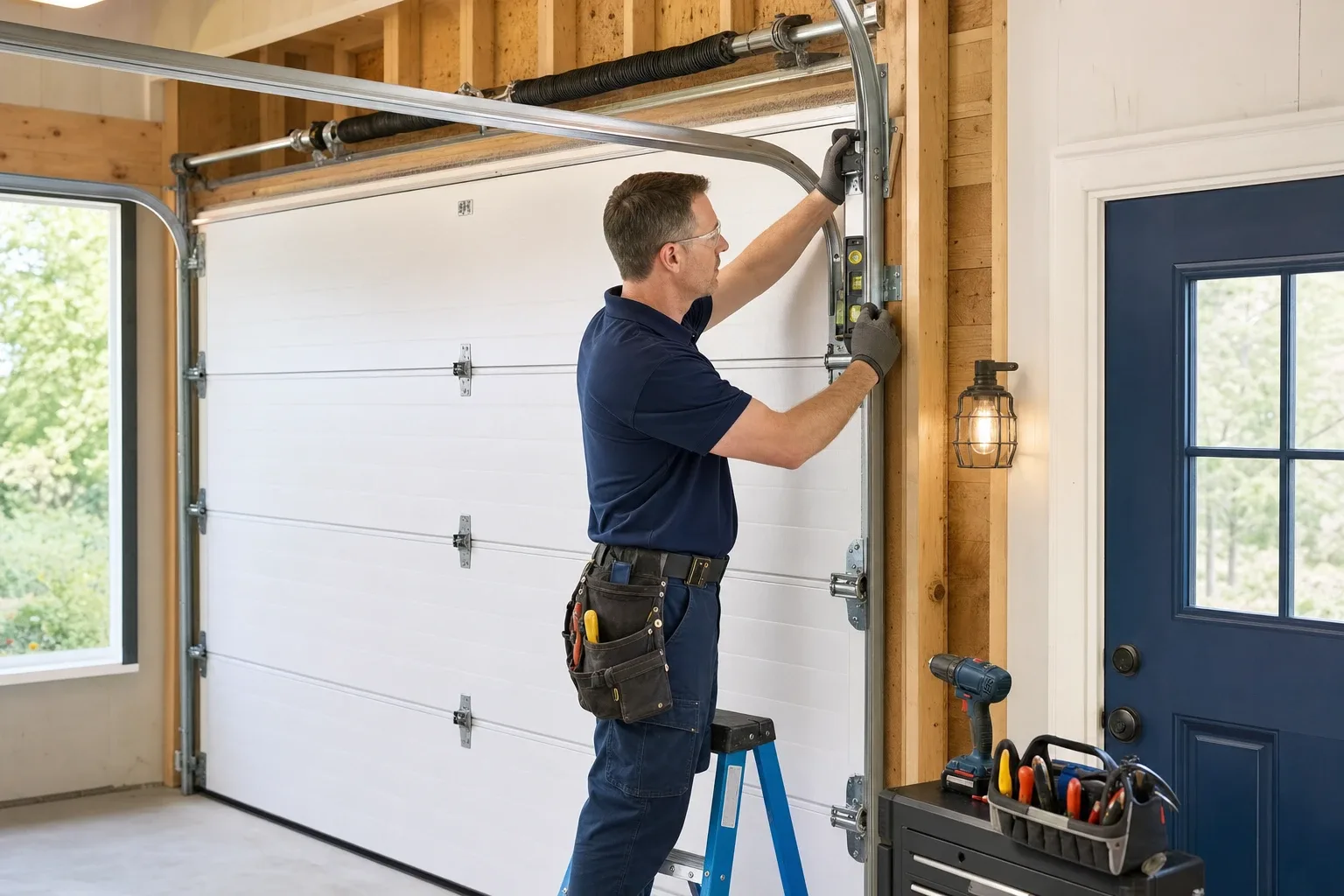
Illustrative image Off-Track Repair
Track problems here tend to trace back to snow load — a sudden Great Salt Lake-effect burst along the Wasatch Front, or the steady weight of a full Wasatch Back winter in the mountains — pulling a door loose from its tracks.
Off-Track Repair details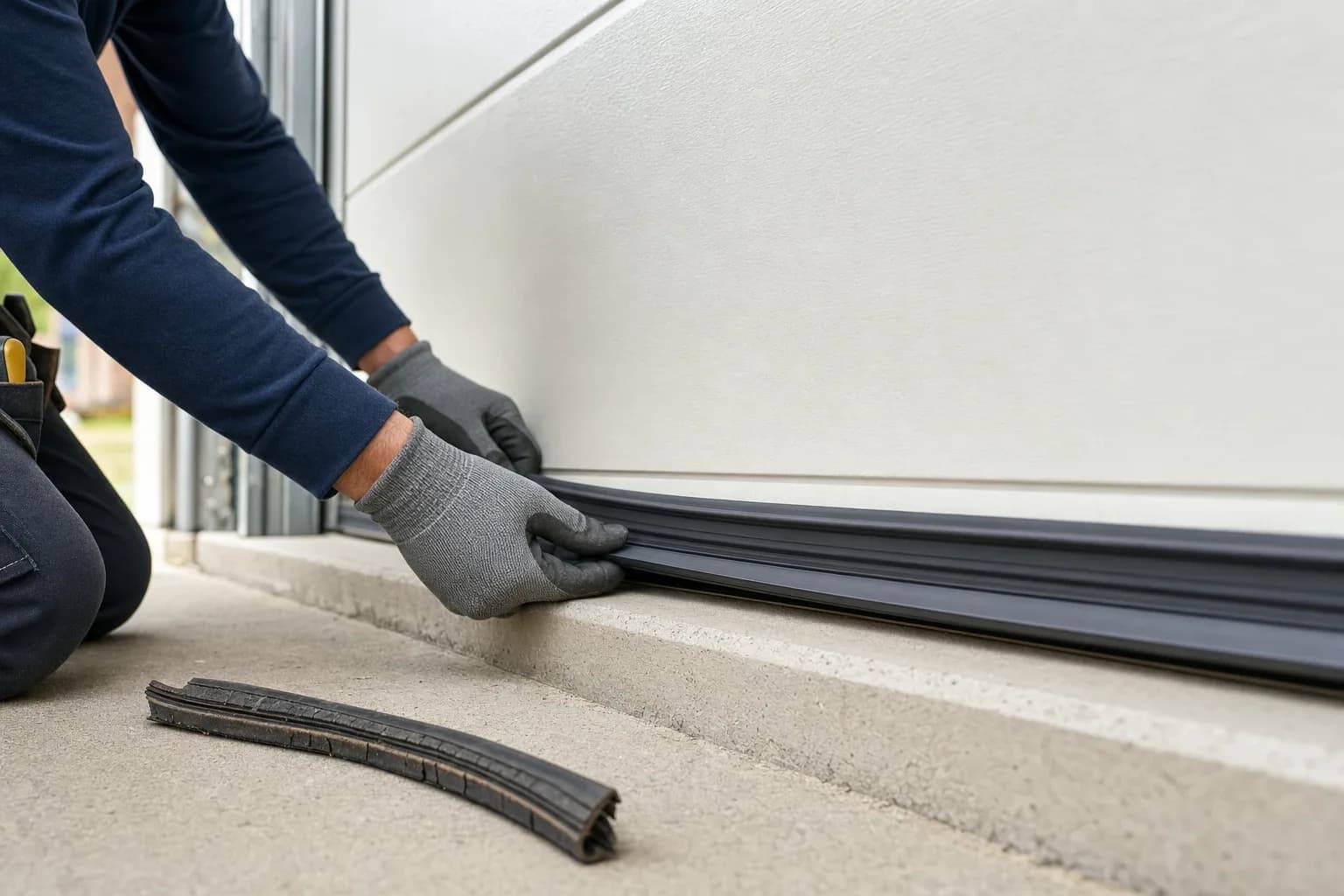
Illustrative image Weather Sealing
Weatherstripping dries out fast in Utah's overall low humidity, and even faster on sun-exposed doors in St. George or wind-exposed doors along the open Wasatch Front benches.
Weather Sealing details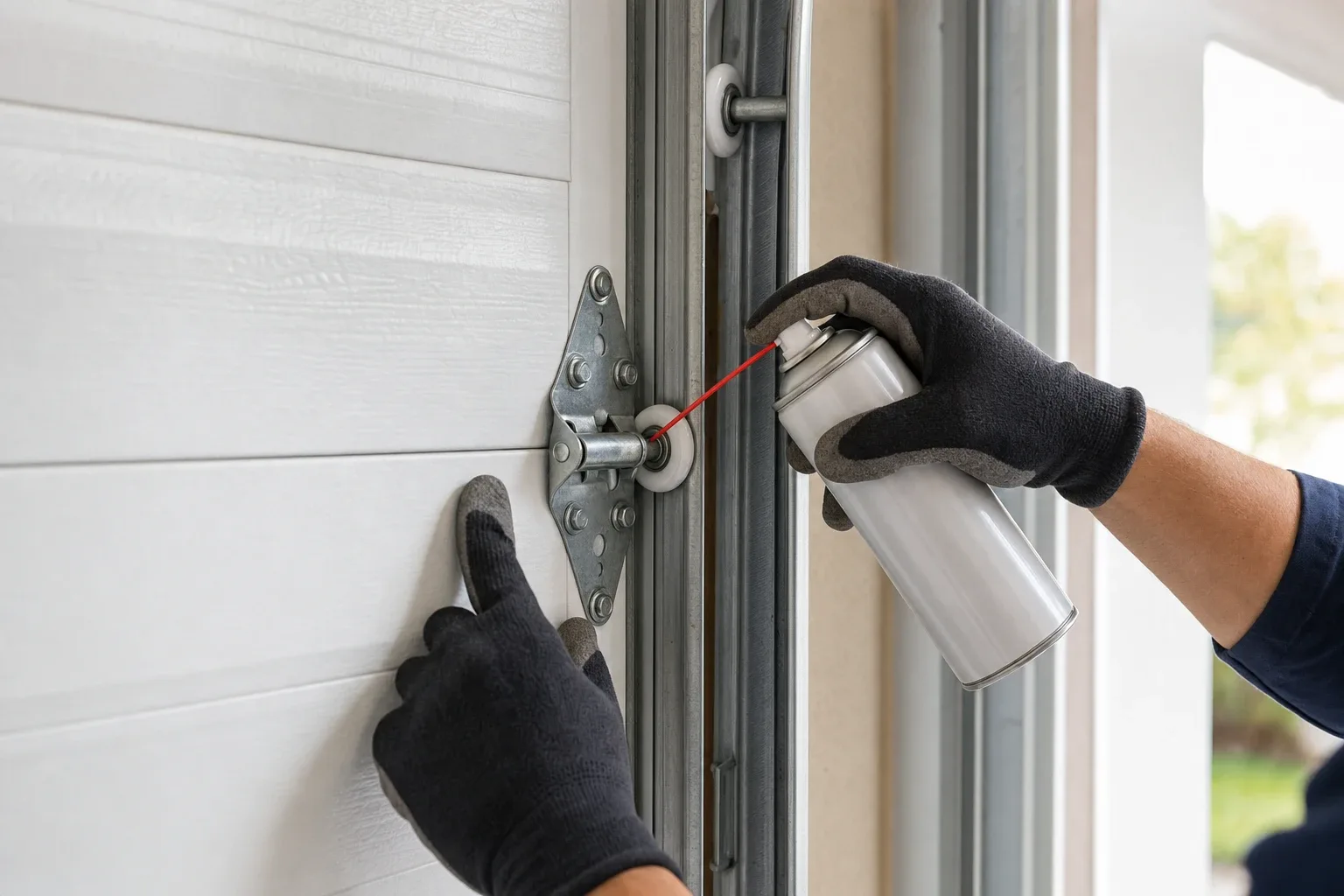
Illustrative image Maintenance
Because Utah's climate stress pulls in two different directions — cold inversions in the north, dry desert heat in the south — a maintenance visit is most useful timed to whichever extreme a home's part of the state sees first each year.
Maintenance details
Built for Utah
What local conditions mean for your door
- 01
Great Salt Lake-effect snow bursts along the Wasatch Front
The Great Salt Lake can add its own bands of intense, localized snowfall on top of regular winter storms moving through Salt Lake City, Ogden, and the surrounding valley. These bursts can drop snow quickly enough to catch a door and opener working harder than a typical storm would suggest.
- 02
Winter temperature inversions trap cold, stagnant air
The Wasatch Front's valley geography regularly traps cold air under a warmer layer above it during winter, holding freezing temperatures in place for days at a time even when the rest of the region has warmed up. That extended cold keeps torsion springs and opener hardware working under stress for longer stretches than a quick cold snap would.
- 03
Extreme desert heat in St. George and Dixie
Southern Utah's St. George area sits in true desert country, with summer highs that regularly pass 100°F. That heat dries out and can warp rubber weatherstripping and seals faster than in the cooler north, and light-colored, reflective doors are common there for a reason.
- 04
Heavy mountain snowpack in the Wasatch Back
Resort communities around Park City and the Wasatch Back see a serious annual snowpack, and doors there need solid insulation and bracing to handle sustained snow load through a long ski season, more than a typical Salt Lake Valley home requires.
- 05
Dry air statewide, from the valleys to the desert
Northern and central Utah sit well above 4,000 feet, while St. George's desert corner is far lower — but low humidity runs through nearly all of it, and that overall dryness means wood trim, rubber seals, and weatherstripping can dry out and crack faster than in a more humid part of the country.
Cities
Utah cities
Local pages for the cities our technicians serve, and what matters for doors in each one.
- Salt Lake CitySalt Lake County · Salt Lake City metropolitan area
- West JordanSalt Lake County · Salt Lake City metropolitan area
- ProvoUtah County · Provo-Orem metropolitan area
- OremUtah County · Provo-Orem metropolitan area
- OgdenWeber County · Ogden-Clearfield metropolitan area
- St. GeorgeWashington County · St. George metropolitan area
- LoganCache County · Logan metropolitan area
- Park CitySummit County · Heber micropolitan area
Local guides
Utah garage door guides
How it works
What happens after you ask for help
- 1
Request
Tell us what the door is doing and your ZIP code. The form takes about a minute.
- 2
Confirm
We review the request and contact you to confirm details and timing before anything is scheduled.
- 3
Diagnose
A technician inspects springs, cables, rollers, tracks and the opener, then explains what is wrong and your options.
- 4
Fix or install
The agreed repair or new door is completed, then the balance and the opener's safety reverse are checked.
Answers
Utah garage door questions
What is Great Salt Lake-effect snow, and does it affect garage doors?
It's a band of intense, localized snowfall the Great Salt Lake can generate on top of a normal winter storm moving through the Wasatch Front. Because it can drop snow quickly, doors and openers may see a heavier one-time load than the forecast suggested.
Do winter inversions affect how my garage door performs?
Indirectly, yes. Inversions trap cold air in Wasatch Front valleys for days at a time, and that extended cold keeps torsion springs and opener hardware working under stress longer than a short cold snap would.
Does St. George's heat cause different problems than Salt Lake City's cold?
Yes. St. George's extreme summer heat tends to dry out and warp rubber weatherstripping and seals, while Salt Lake City's cold and snow put more stress on springs, openers, and tracks.
Do mountain homes near Park City need a heavier-duty door?
Generally yes. The Wasatch Back's heavy annual snowpack calls for better insulation and bracing than a typical Salt Lake Valley home needs.
My garage is an older detached, alley-access unit in Salt Lake City. Can it still be serviced?
Yes. Many Salt Lake City and Ogden neighborhoods have older detached garages accessed from a rear alley, and service is scoped to the existing structure and opening size.
Does Utah's dry climate affect weatherstripping?
Yes, the state's overall low humidity and elevation can dry out and crack rubber weatherstripping faster than in a more humid climate, which is why it's checked as part of routine maintenance.
Is Cache Valley's winter different from the Salt Lake Valley's?
Cache Valley tends to hold onto frost and cold longer into the season than the lower Wasatch Front, given its higher elevation and more enclosed valley setting near the Idaho border.
Do you serve fast-growing Utah Valley communities like Provo and Orem?
Yes, request service in Utah Valley for repair, installation, or replacement, and expect a good share of newer-construction requests given the area's recent growth.
Utah Garage Pros
Request service in Utah
Send the details in two quick steps. This isn't a booking — we contact you to confirm the problem, the timing and the location first.