
California Garage Pros
Garage Door Installation in California
New installations in California range from wide glass-paneled doors on Bay Area mid-century homes to insulated steel doors on Central Valley tract homes, and every opener installed must include a battery backup to meet the state's requirement.
Installation · California
Installation for California homes
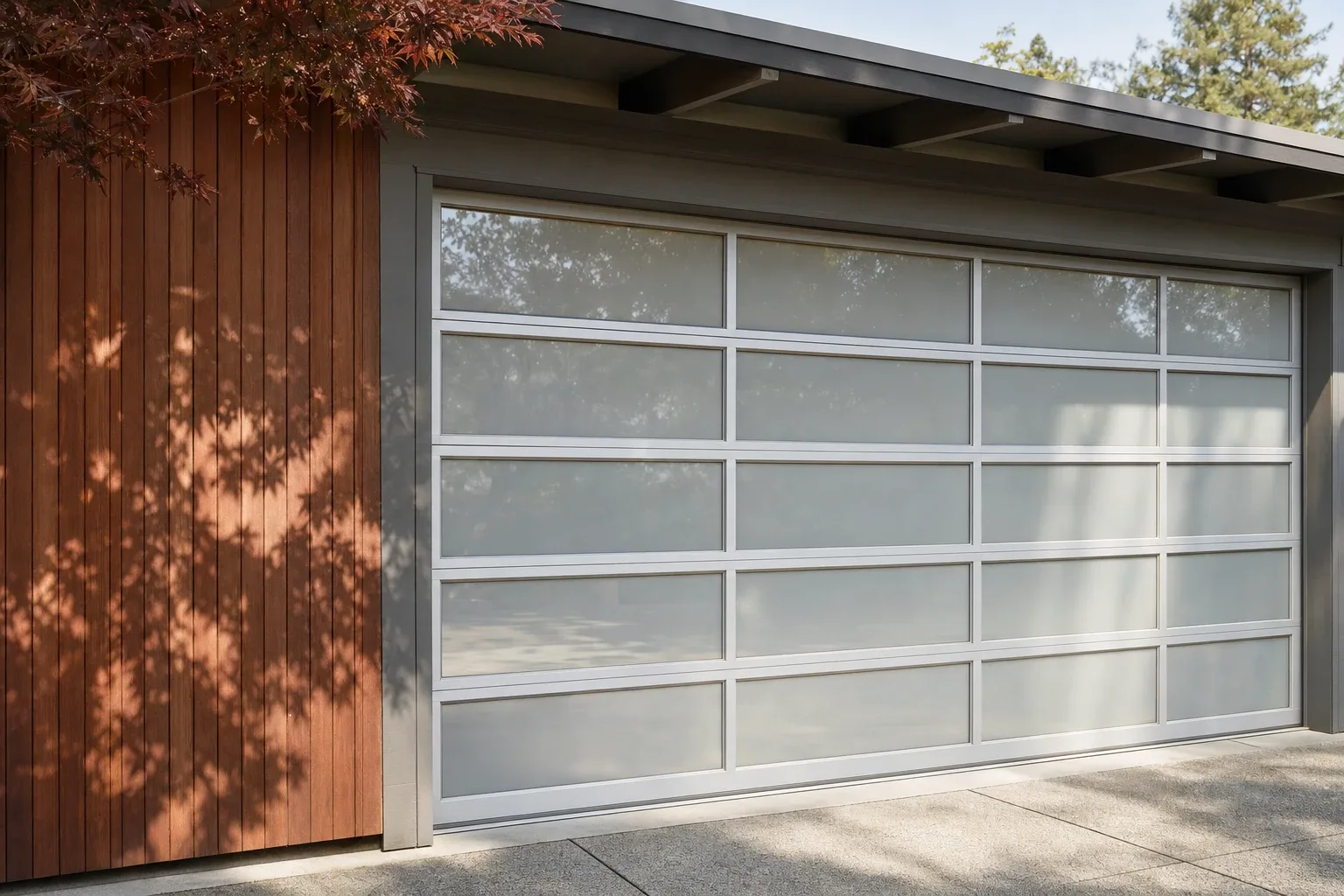
New installations across California range widely in scope. A production-built home in the Central Valley or Inland Empire typically gets a two- or three-car insulated steel door sized for a standard modern opening, while a Bay Area mid-century remodel might call for a wide aluminum-and-glass door built to match an Eichler-style facade.
Whatever the door style, every opener installed in California since mid-2019 has to include battery backup under state law, which is now simply part of a standard install rather than an upgrade homeowners have to request separately.
California
What's different in California
- 01
Sizing for Tract-Home Garages
Newer Central Valley and Inland Empire homes usually have wider, standardized openings, which simplifies fitting a larger insulated door.
- 02
Matching Older Architectural Styles
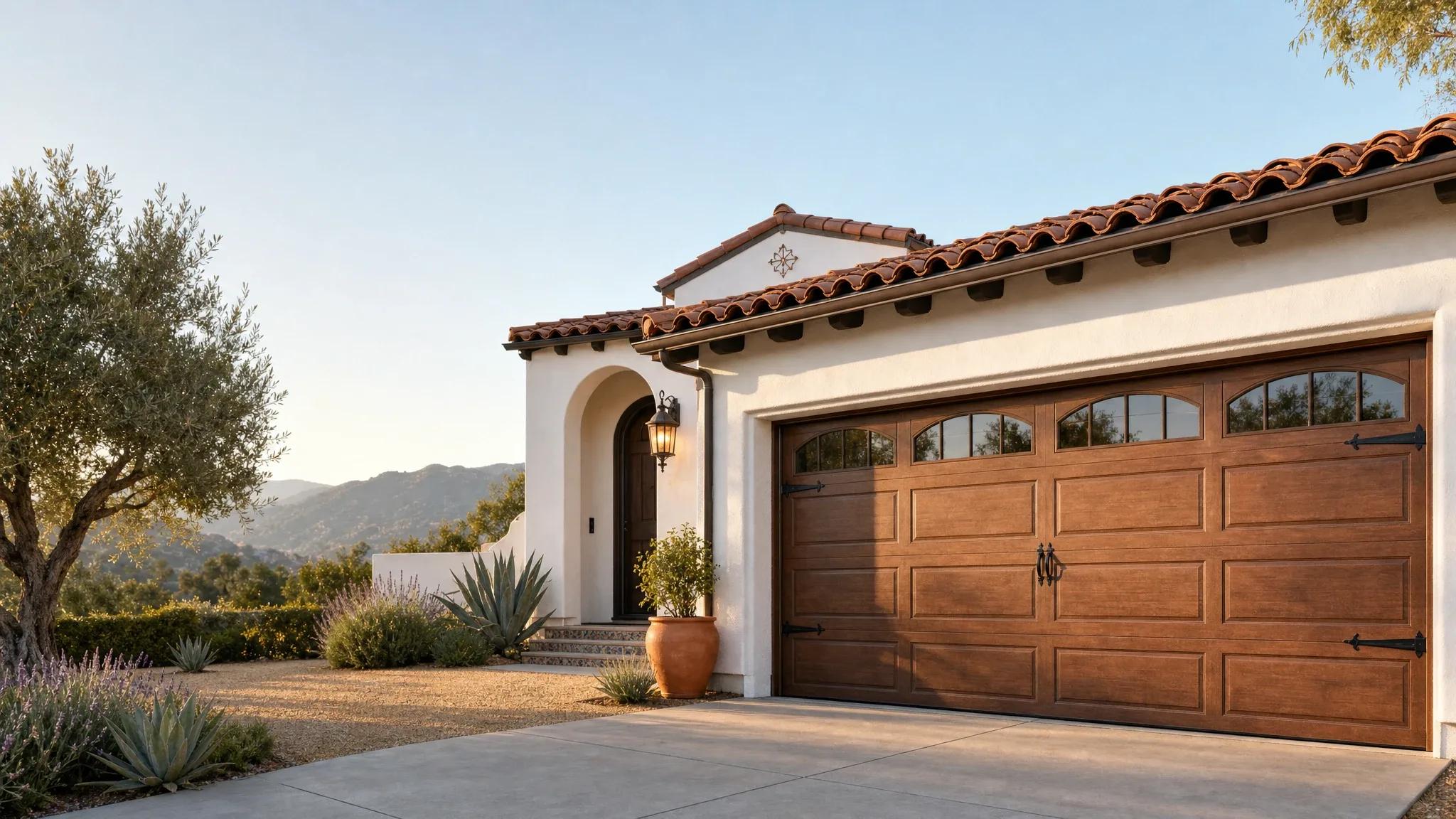
Spanish Revival and mid-century homes often call for a door style chosen to match existing arches, trim, or window patterns rather than a generic replacement.
- 03
Battery Backup Is Built In
Because state law requires it, a new opener install already accounts for the battery backup component rather than treating it as optional.
Know the signs
When you need installation
Common symptoms
- Opening has no garage door yet, such as new construction or a converted opening
- Existing opening previously held a different door type, like a swing-out or non-sectional door
- Opening or framing has changed size and needs a door sized to match
- Planning to add insulation, windows, or a style not currently in place
What the service covers
- Measuring the opening and confirming jamb, header, and floor squareness
- Mounting new vertical and horizontal tracks and header hardware
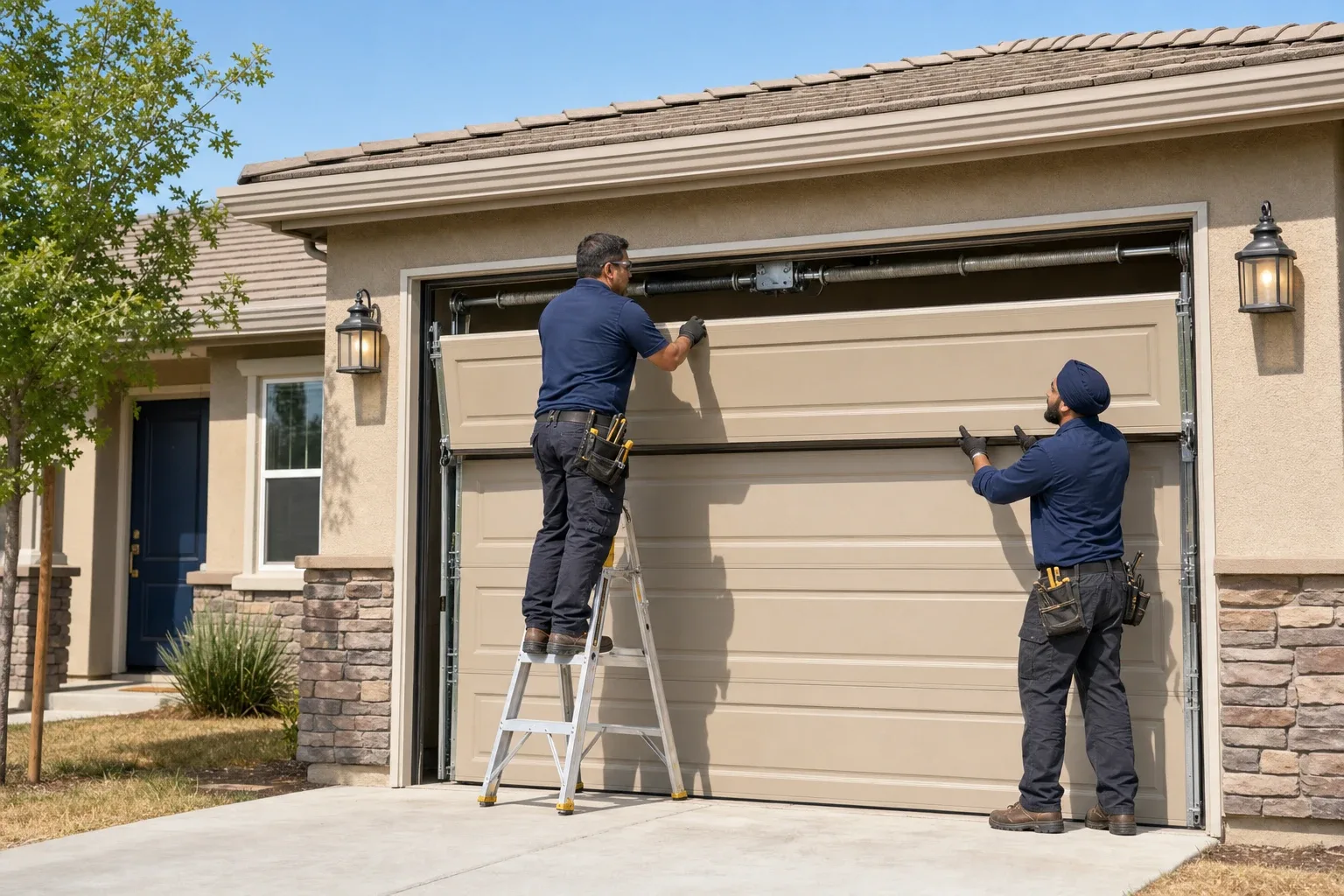
- Installing the door sections, hinges, rollers, and a spring system sized to the door's weight
- Balancing the door and testing full travel and auto-reverse function
The process
How the work is done
- 1
Measure and confirm the opening
Width, height, headroom, and side room are measured and checked against the door and track system being installed, including any structural adjustments needed.
- 2
Set tracks and hardware
Vertical and horizontal tracks, the header bracket, and the spring system sized for the door's weight are mounted plumb and level to the framing.
- 3
Install and hang the door sections
Panels are set in place, connected with hinges and rollers, and the spring system is set to the correct torque for the door's weight and size.
- 4
Balance and test
The door is tested for even travel, proper balance when disconnected from an opener, and correct auto-reverse response before the job is considered complete.
Cost factors
What affects the price
Prices aren't published because they depend on your door, the parts involved and the access to the work. These are the things that move the cost — ask for the price before any work starts.
- Door material and construction
- Steel, wood-composite, and insulated multi-layer doors differ in weight and installation requirements.
- Opening size and headroom
- Wider or taller openings and low-headroom situations may call for different track hardware.
- Condition of the existing structure
- Framing, jambs, or a header that need adjustment add time before the door itself goes in.
- Opener and accessories
- Adding a new opener, windows, or specific hardware in the same visit changes the scope of work.
- Local wind exposure
- In areas subject to high wind events, the door and its track hardware may need to meet a specific design pressure rating rather than relying on aftermarket reinforcement added later.
Safety first
- Never let anyone stand under a door section while it's being lifted or fitted into the tracks.
- The spring system must be set to match the door's exact weight — an improperly set spring is a serious hazard and should only be handled by a trained professional.
- Keep the opening area clear of children and pets during installation, since tools, panels, and open track sections are present.
Safe things to check first
- Note the opening's rough width and height and whether there's a step, slope, or uneven floor at the threshold.
- Note how much room is above the opening and to the sides, since this affects which track hardware fits.
Local pages
Installation by city
Answers
Installation questions in California
Do all new garage door openers in California need battery backup?
Yes, openers manufactured, sold, or installed in California since July 2019 must include battery backup, so this is standard on any new installation.
Can I get a door that matches my home's architectural style?
Many California homes, especially Spanish Revival and mid-century designs, use a door style chosen to match existing trim and window details rather than a generic option.
Related
Related services
California Garage Pros
Request service
Send the details in two quick steps. This isn't a booking — we contact you to confirm the problem, the timing and the location first.
Sources
- TDS #152 — Garage Doors and High Wind Events — Door & Access Systems Manufacturers Association (DASMA) (accessed 2026-09-24)
- Technical Data Sheets — Door & Access Systems Manufacturers Association (DASMA) (accessed 2026-09-24)