
California Garage Pros
Garage Door Weather Sealing in California
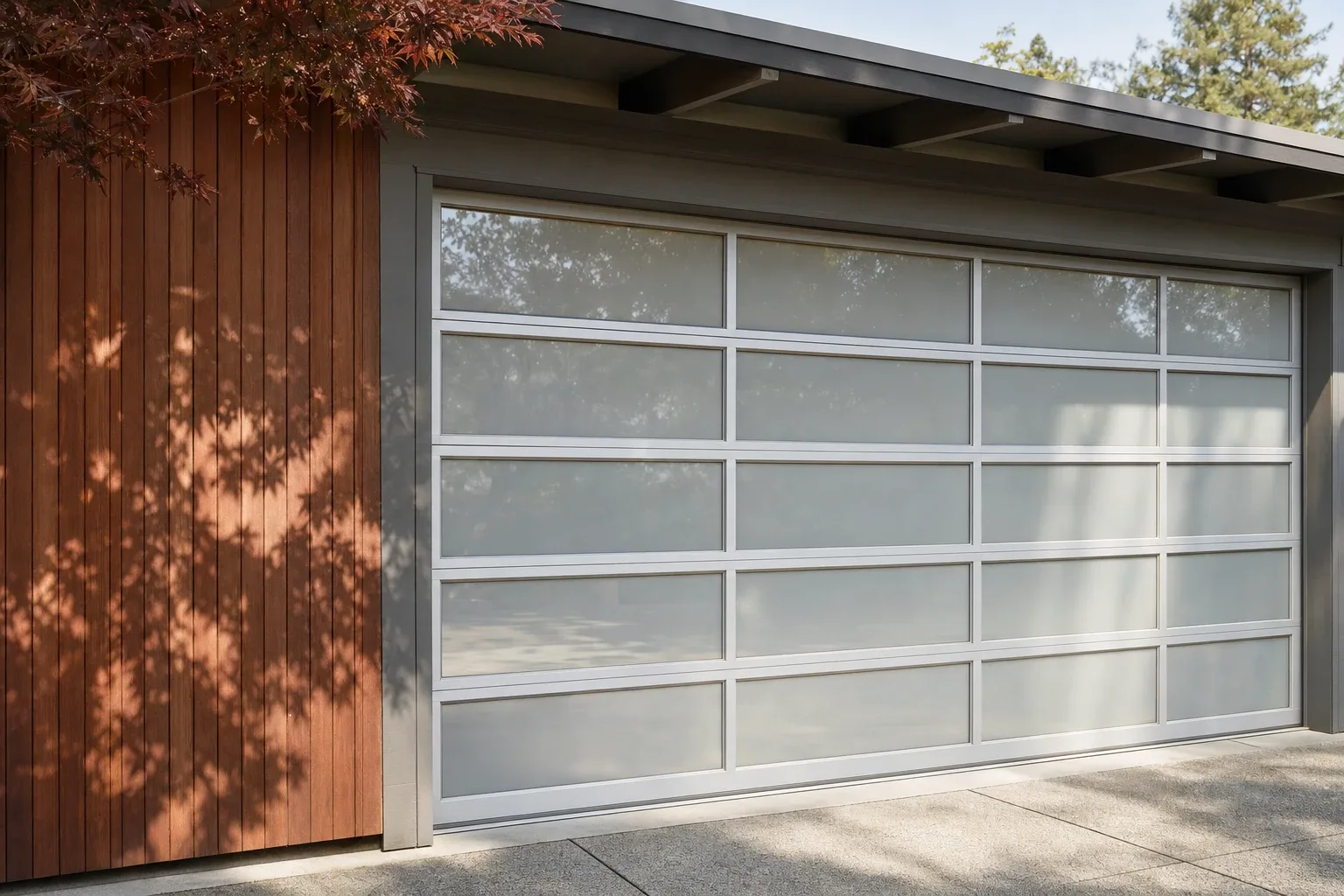
Weather sealing matters differently by region in California: coastal homes benefit from sealing against wind-driven moisture, while inland homes benefit from sealing that reduces dust and heat infiltration.
Weather Sealing · California
Weather Sealing for California homes
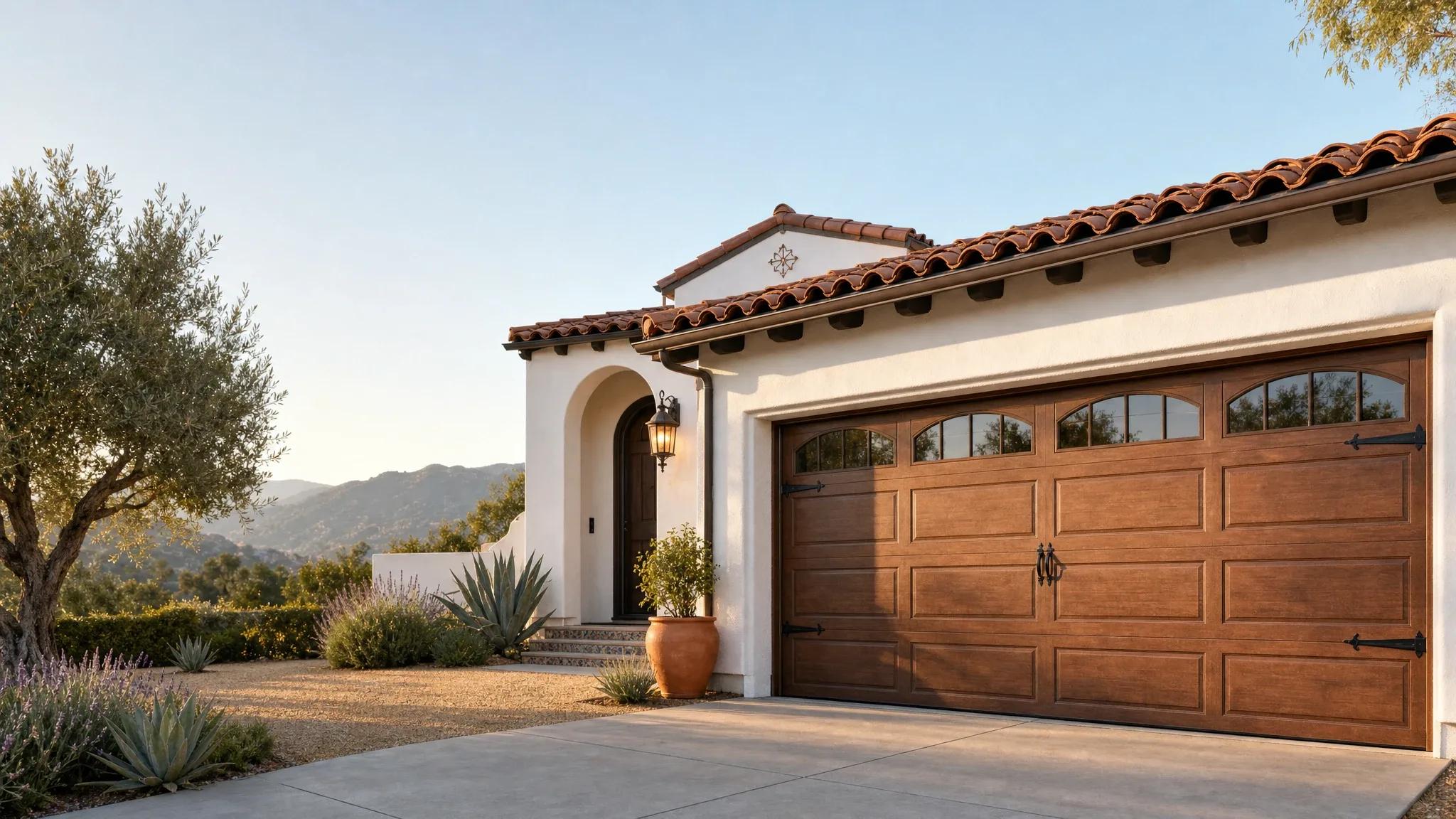
Weather sealing serves a different purpose depending on where a California home sits. Along the coast, a tight seal helps keep wind-driven moisture and salt air from working its way into the garage, while inland it is more about keeping out dust and reducing heat infiltration during long, dry summers.
In wildfire-prone foothill communities, sealing takes on a third role. Keeping the bottom seal and perimeter gaps intact is one small part of the broader defensible-space approach that reduces the chance of wind-blown embers finding a way in during fire season.
California
What's different in California
- 01
Coastal Moisture Control
Coastal homes benefit from seals that resist wind-driven rain and ongoing salt-air exposure.
- 02
Inland Dust and Heat
Inland homes rely on sealing more to reduce dust infiltration and heat transfer during summer months.
- 03
Ember Resistance in Foothill Areas
In wildfire-prone areas, an intact bottom seal is part of reducing ember-ignition risk around the home, alongside broader defensible-space steps.
Know the signs
When you need weather sealing
Common symptoms
- Visible daylight along the bottom, sides, or top of a closed door
- Drafts, dust, leaves, or small pests getting into the garage
- Water coming in along the bottom during rain
- Weatherstripping that's cracked, flattened, torn, or missing sections
What the service covers
- Inspection of the bottom seal, side and top weatherstripping, and threshold
- Replacement of the bottom seal, sized to the door's track
- Replacement of side and top weatherstripping along the jambs and header
- Check for gaps at the corners and threshold where seals meet
The process
How the work is done
- 1
Inspect all seal points
The bottom seal, side and top weatherstripping, and the threshold area are checked for cracking, flattening, gaps, or missing sections.
- 2
Remove worn seals
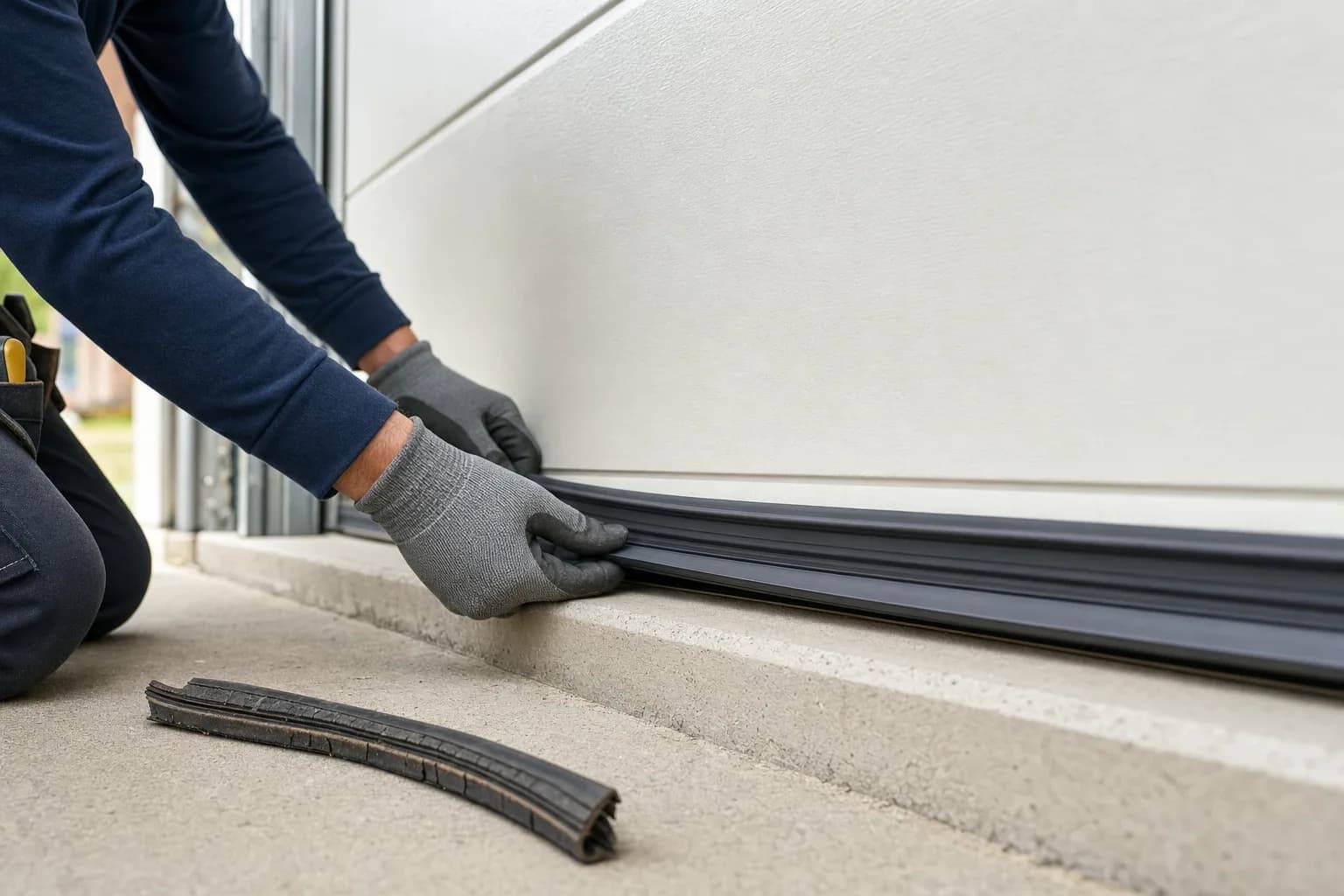
Old, hardened, or torn weatherstripping is pulled from its retainer track or fastening strip.
- 3
Fit new seals
New bottom seal, side, and top weatherstripping sized to the door and opening are fitted into place.
- 4
Check the seal along a full cycle
The door is closed and checked along its full length for daylight gaps or spots where the new seal isn't making even contact.
Cost factors
What affects the price
Prices aren't published because they depend on your door, the parts involved and the access to the work. These are the things that move the cost — ask for the price before any work starts.
- Which seals need replacing
- A worn bottom seal alone is less involved than replacing seals on all four sides.
- Door width
- Wider double doors need more material for bottom and top seals than single doors.
- Threshold and floor condition
- An uneven or damaged concrete threshold can make it harder for even a new seal to sit flush.
- Seal type
- Different bottom seal profiles fit different track retainers on the door's bottom section.
Safety first
- Keep hands clear of the door's edges and any pinch points while old weatherstripping is being removed and new material fitted.
- Do not attempt to adjust the door's tracks or hardware while working on seals — sealing work should stay separate from the door's mechanical systems.
- Support or block the door in the open position rather than relying on it to hold itself while seals are replaced.
Safe things to check first
- With the door closed, look for daylight along the bottom, sides, or top from inside the garage.
- With the door closed and the opener off, press a finger along the bottom seal to feel for flattened, hard, or brittle spots.
- Check the corners where side and top weatherstripping meet for gaps or separation.
Local pages
Weather Sealing by city
Answers
Weather Sealing questions in California
Does weather sealing matter for wildfire safety?
Keeping bottom seals and perimeter gaps intact is one small part of reducing ember-ignition risk in wildfire-prone areas, alongside broader defensible-space practices.
Is weather sealing more important on the coast or inland?
Both, but for different reasons: coastal homes seal against wind-driven moisture, while inland homes seal mainly against dust and heat.
Related
Related services
California Garage Pros
Request service
Send the details in two quick steps. This isn't a booking — we contact you to confirm the problem, the timing and the location first.
Sources
- Job Aid 11-1: Install Weatherstripping on an Exterior Door — U.S. Department of Energy (accessed 2026-09-24)
- Technical Data Sheets — Door & Access Systems Manufacturers Association (DASMA) (accessed 2026-09-24)