
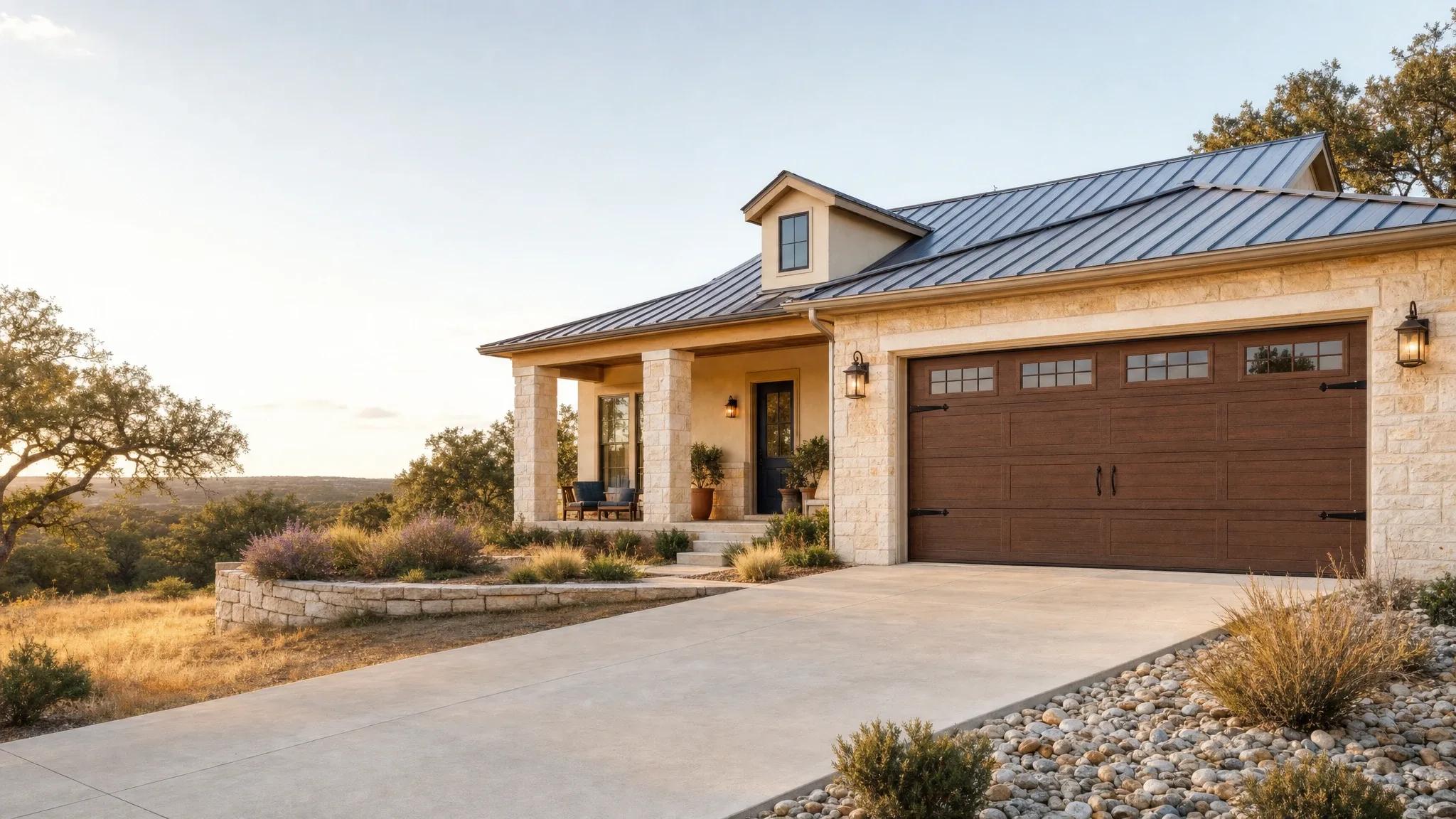
Garage Doors. A Stronger Texas.
Garage Door Repair & Installation in Texas
From Gulf Coast humidity to Hill Country heat, Texas Garage Pros covers repair, installation, and replacement for homes across the state.
- Repairs for springs, openers, cables, rollers and tracks
- New door selection, replacement and installation
- Advice written for Texas homes and weather
Request Service
Texas Garage Pros — tell us what's happening.
Texas Garage Pros
Garage door information for Texas homes
Texas is big enough that garage doors face genuinely different conditions depending on where a home sits. A door in a humid, hurricane-exposed Houston suburb works under different stress than one on a dry, wind-scoured Panhandle homestead or a limestone-terrace home in the Hill Country outside Austin and San Antonio.
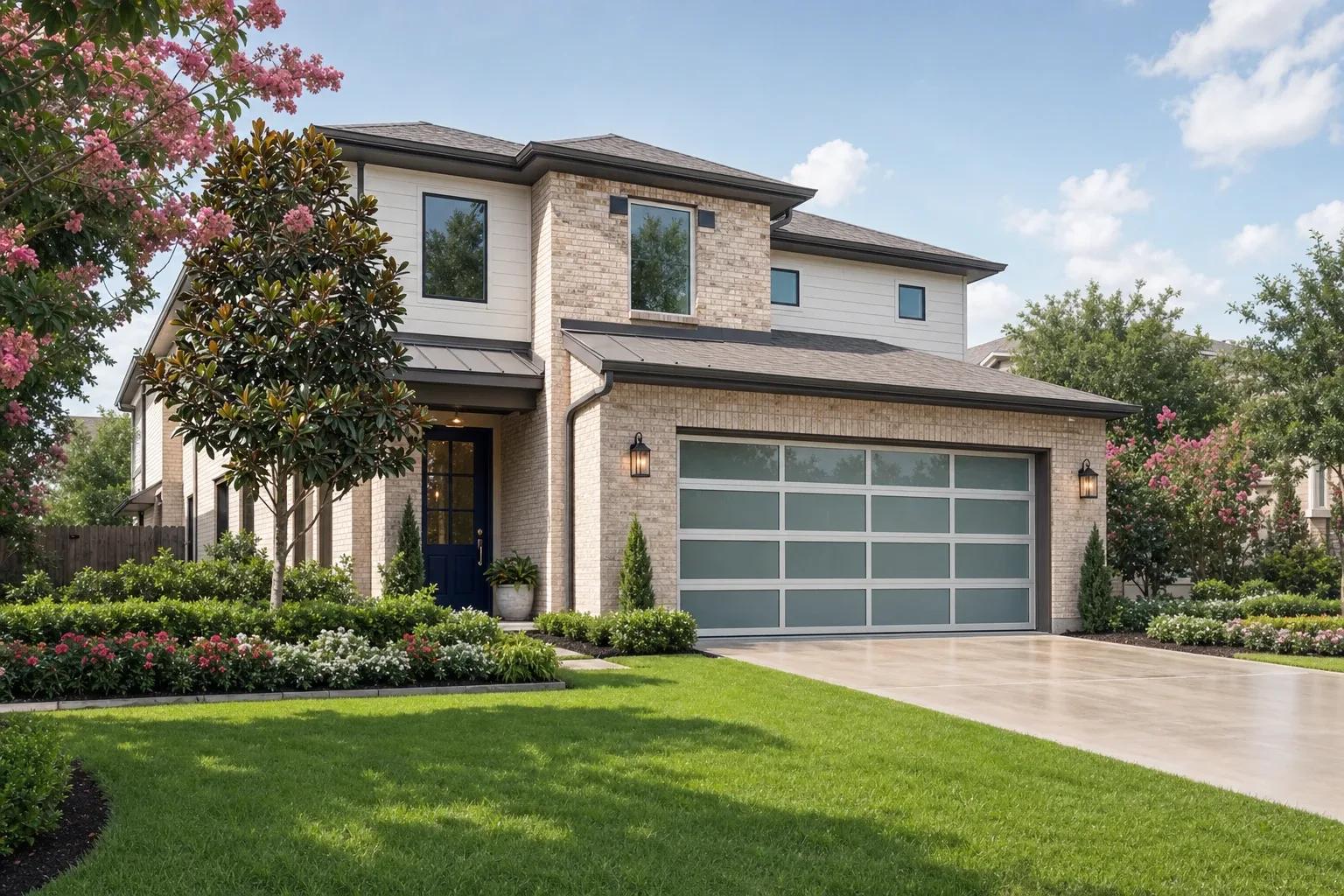
Most Texas homes built from the 1970s onward have an attached two-car garage as the default, especially across the fast-growing suburbs ringing Houston, Dallas-Fort Worth, San Antonio, and Austin. Older homes in historic neighborhoods and small towns are more likely to have a detached single-car garage, sometimes added years after the house itself. Steel sectional doors are by far the most common statewide, with wood-look composite doors and, on newer contemporary and Hill Country-modern builds, full-view glass doors becoming more common.
Climate is the biggest day-to-day factor. Long, intense summer heat statewide stresses springs, opener electronics, and weatherstripping. North and Central Texas sit inside one of the country's most hail-prone corridors. And homes near the Gulf Coast deal with humidity, salt air, and, for a defined set of coastal counties, wind-related building code requirements tied to the state's windstorm insurance program.
- Gulf Coast (Houston–Galveston–Beaumont)
- Coastal humidity, salt air, and windstorm-code coastal counties shape hardware choices and, in places, door wind ratings.
- Rio Grande Valley / Deep South Texas (McAllen–Brownsville)
- Intense subtropical heat and hurricane exposure, with many older, detached garages on smaller lots.
- Hill Country & Central Texas (Austin–San Antonio)
- Limestone terrain, strong summer heat and UV, and a mix of ranch-style attached and detached garages.
- North Texas / Metroplex (Dallas–Fort Worth)
- Expansive clay soils and frequent hail storms are the main stress on doors, tracks, and panels.
- West Texas & Panhandle Plains (Lubbock–Amarillo–El Paso)
- High wind, blowing dust, and wide day-to-night temperature swings on the plains and in the desert basin.
Every request is reviewed before anything is scheduled.
Services
Texas garage door services
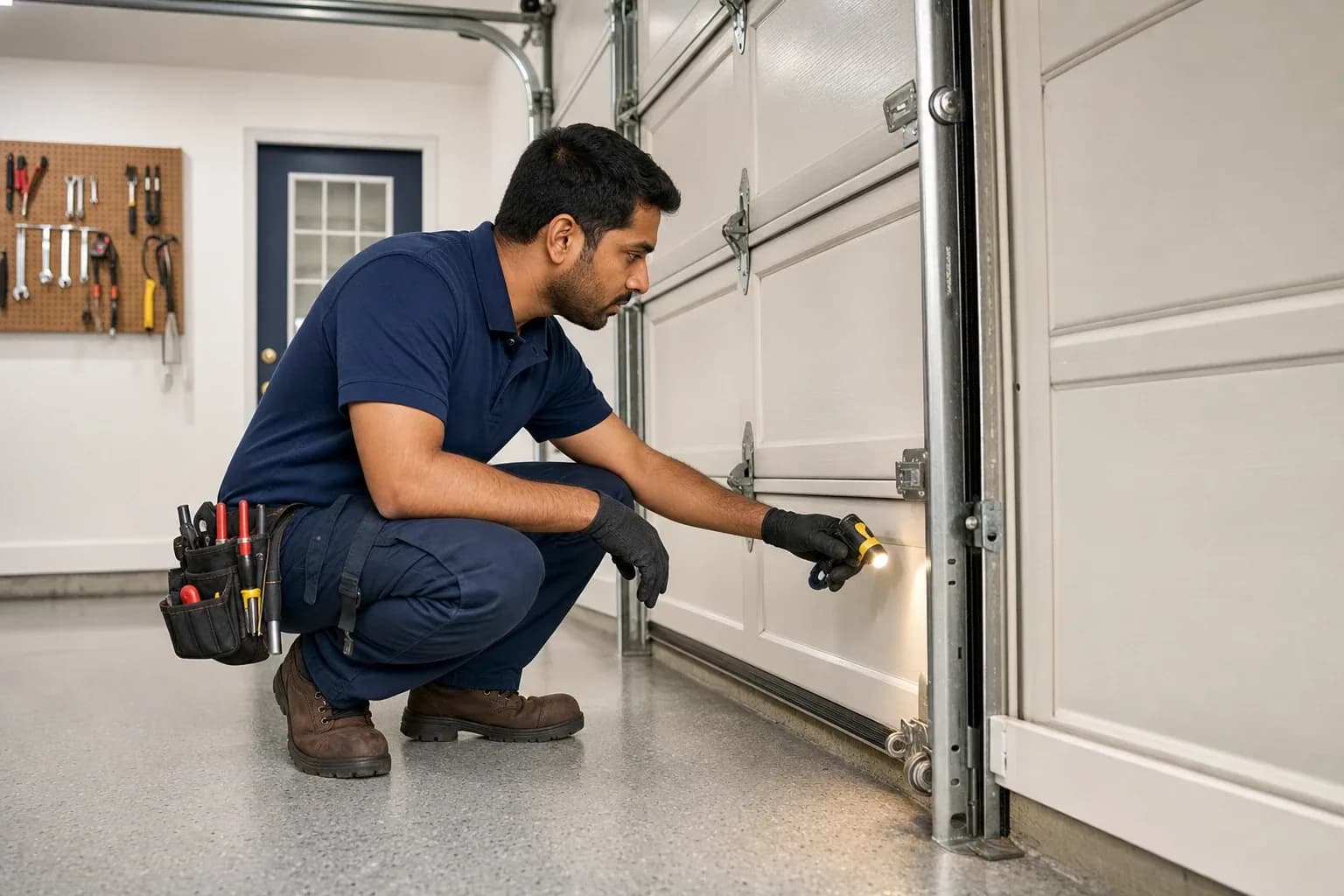
Illustrative image Repair
Texas heat and hail put extra stress on hinges, rollers, and openers, so repair calls here often involve heat-warped weatherstripping or hail-dented panels rather than just ordinary wear.
Repair details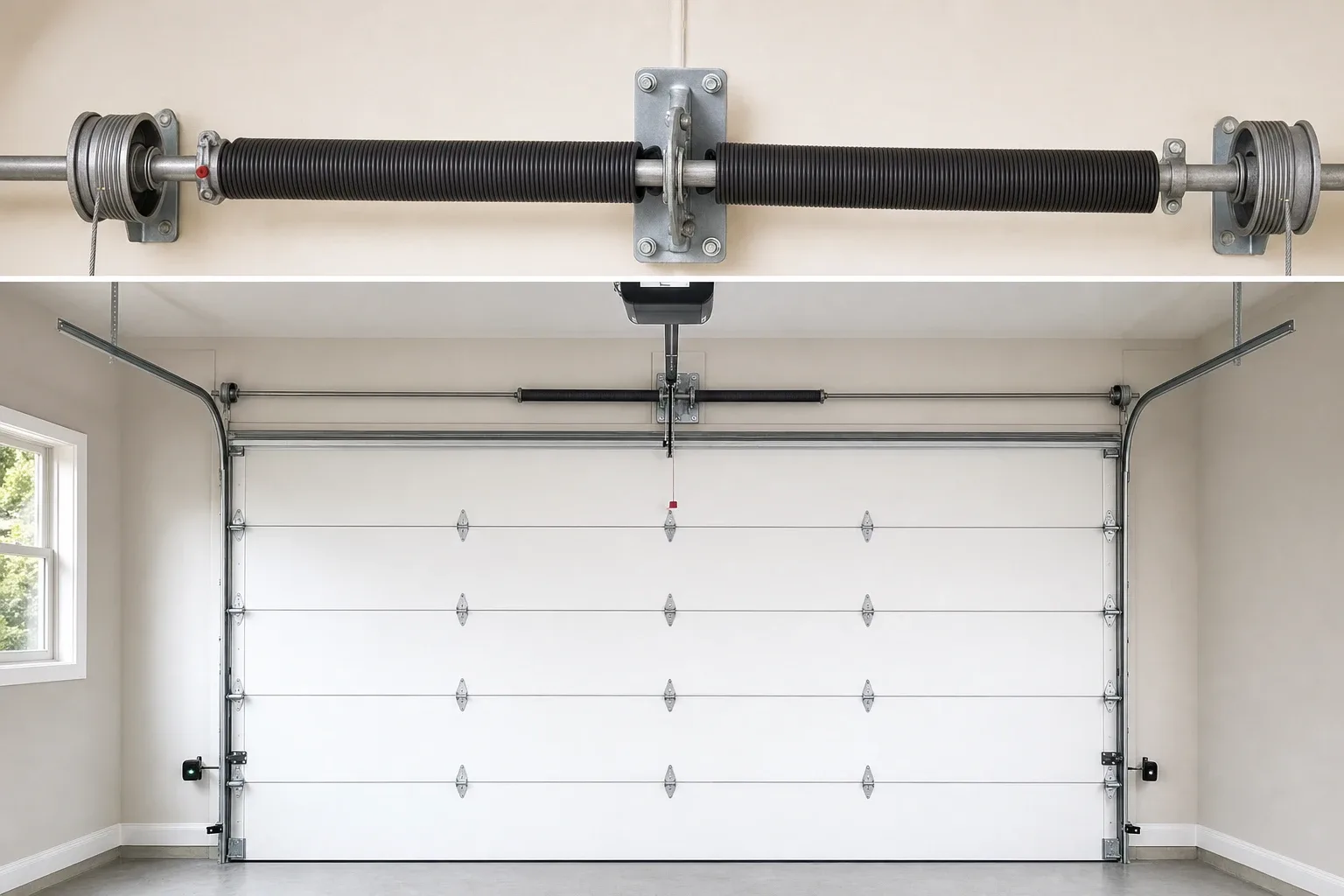
Illustrative image Spring Repair
Torsion springs work harder in Texas because sustained heat accelerates lubricant breakdown. This is never a do-it-yourself repair — a professional should handle any spring under tension.
Spring Repair details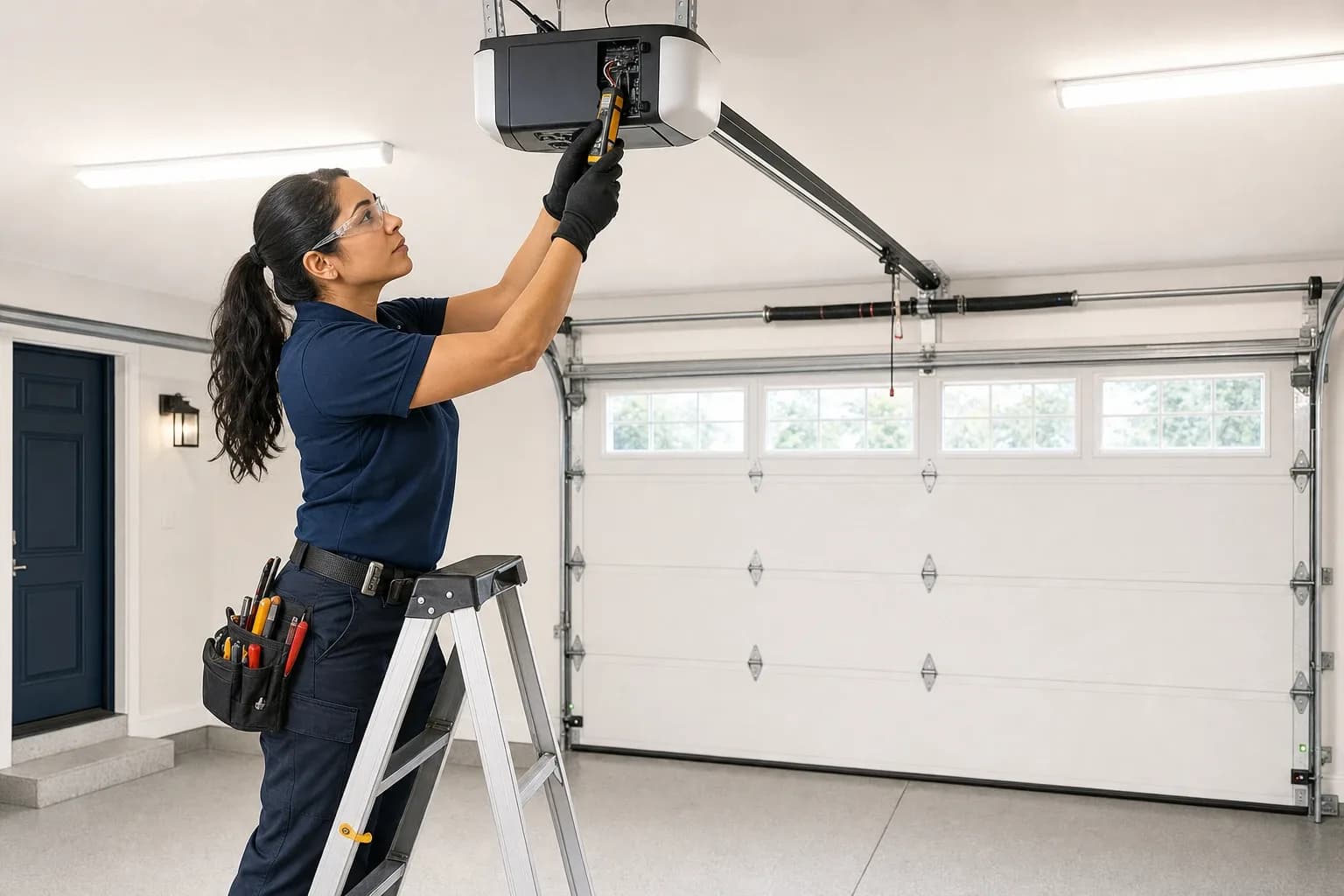
Illustrative image Opener Repair
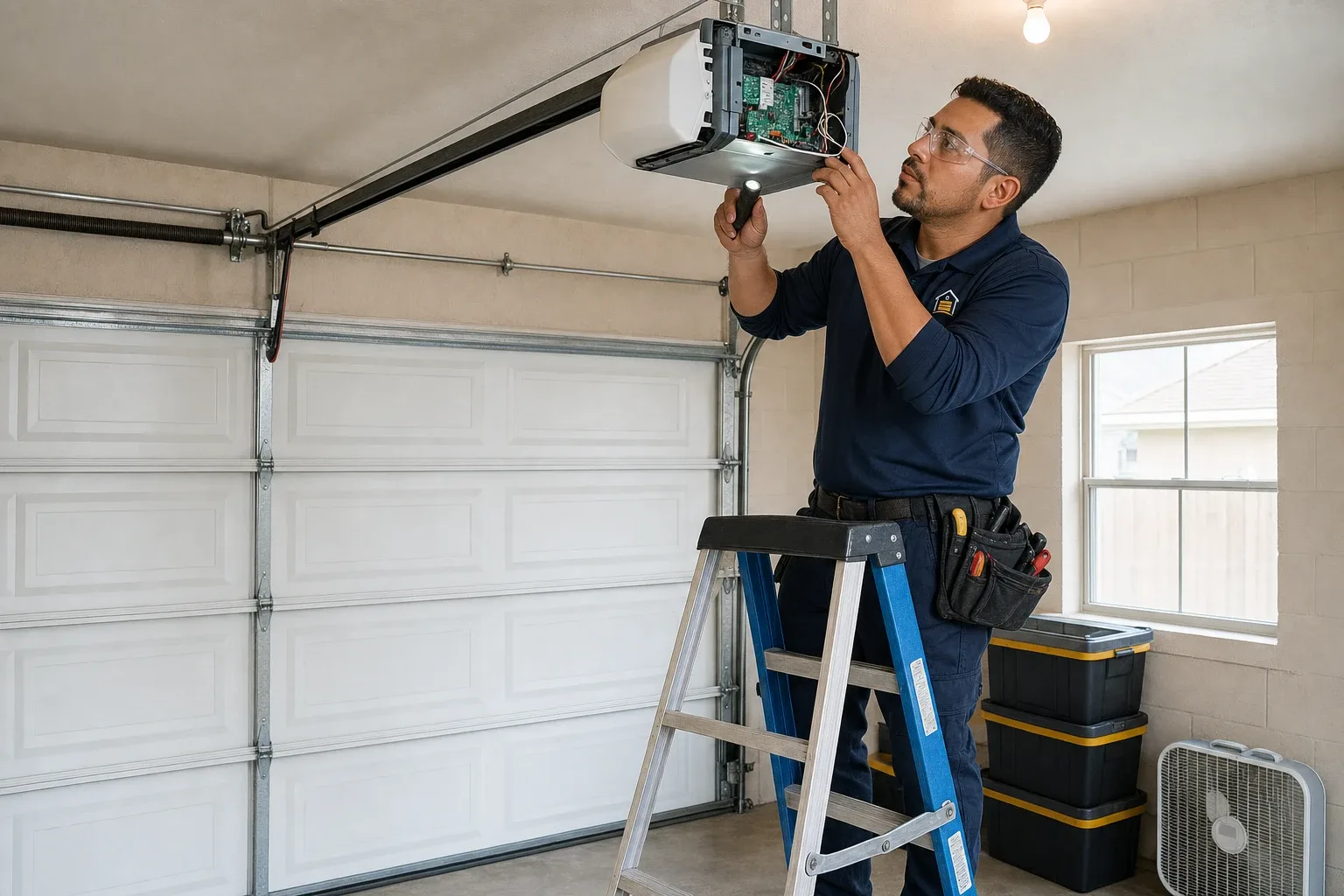
Summer heat and, in West Texas, wind-blown dust can affect opener sensors and circuit boards, so diagnosing an opener issue here often starts with checking for heat- or dust-related faults.
Opener Repair details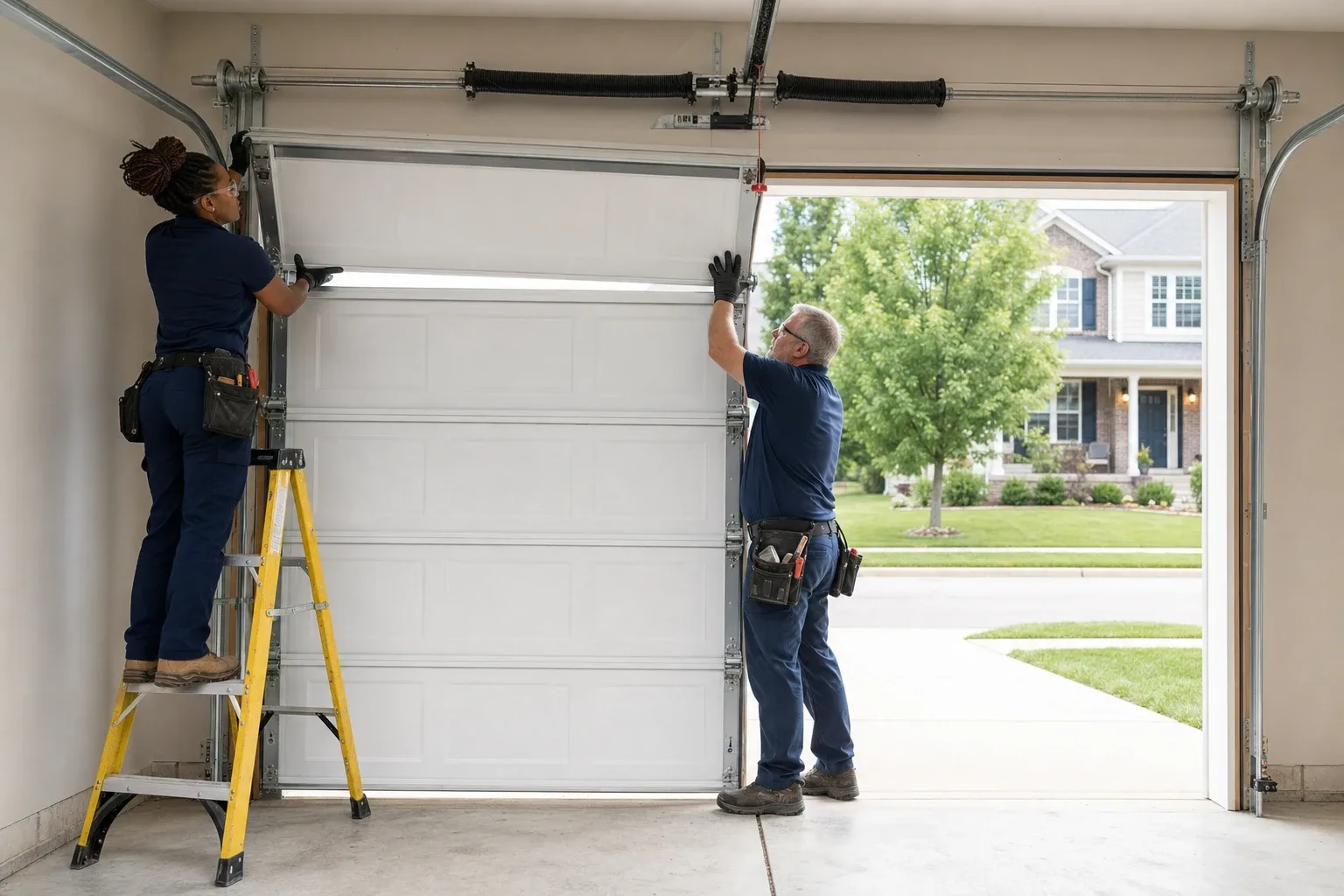
Illustrative image Replacement
Replacing an older door in Texas is a chance to move to a steel or composite door that better resists sun-driven fading, hail dents, and, along the coast, salt-air corrosion.
Replacement detailsIllustrative image Installation
New installations across Texas need to account for wide swings between summer highs and rare winter freezes, so panel material and insulation choices matter more here than in milder climates.
Installation details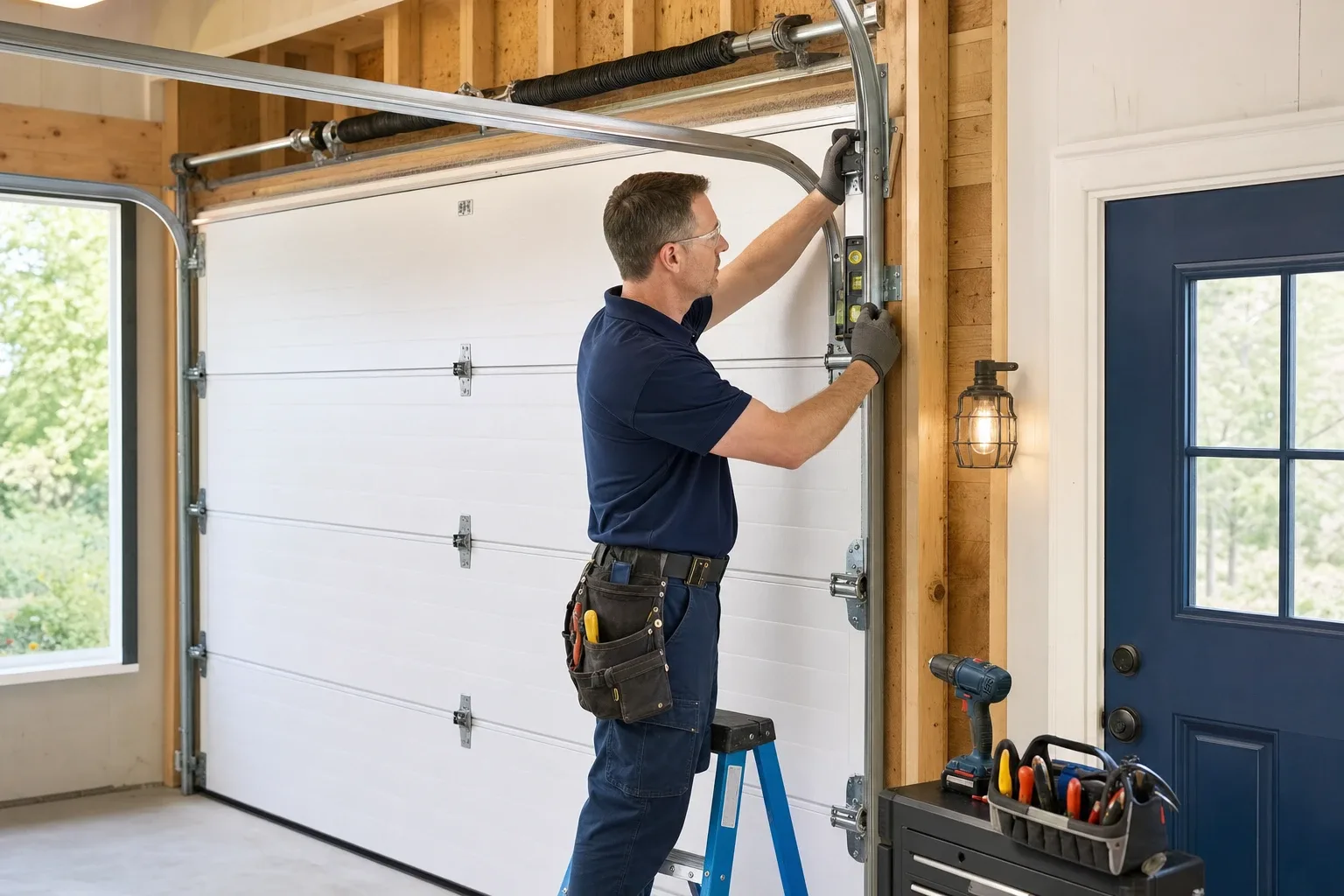
Illustrative image Off-Track Repair
Expansive clay soils across North and Central Texas can shift a slab foundation enough to pull a track out of alignment, which is a common cause of off-track doors in those areas.
Off-Track Repair details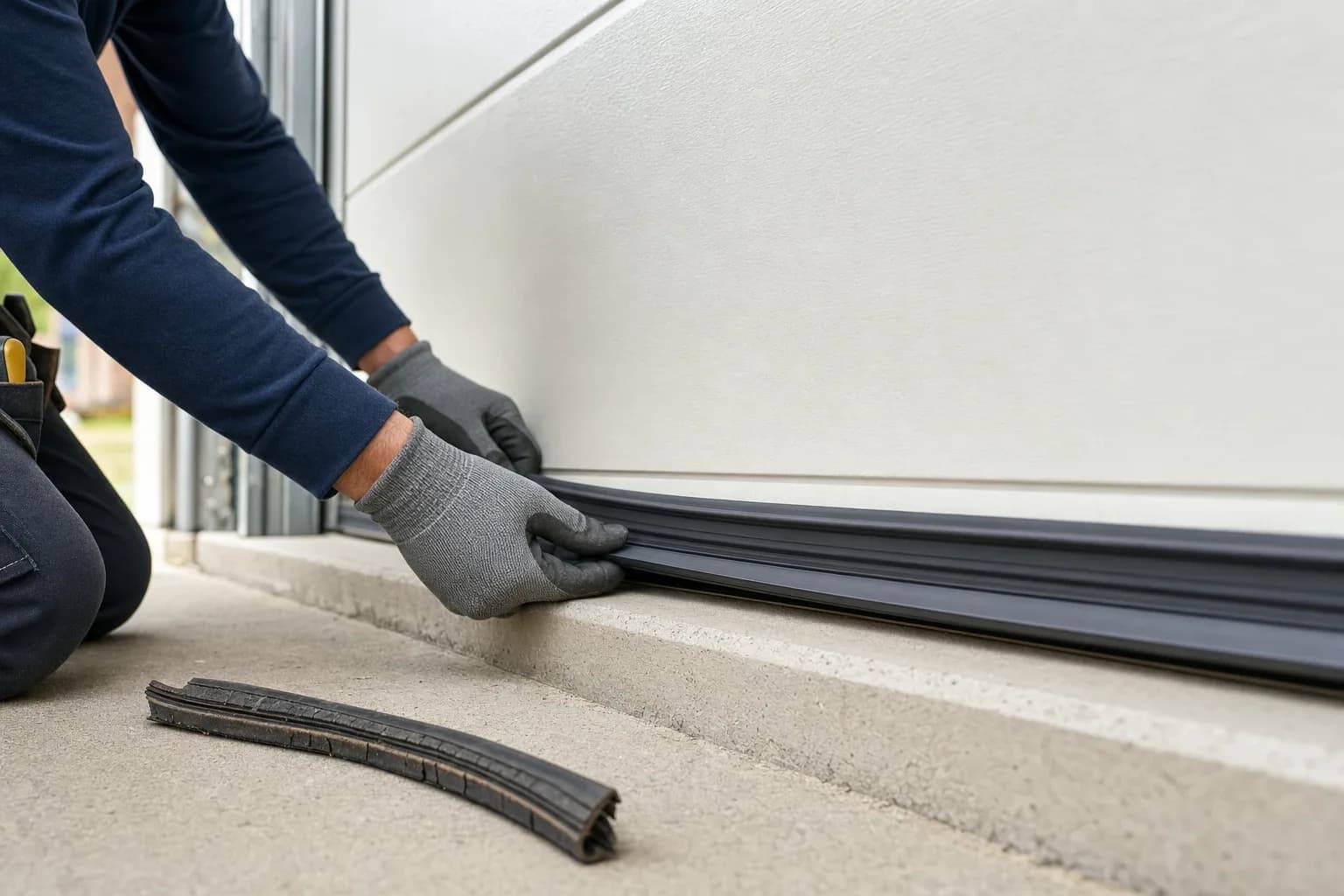
Illustrative image Weather Sealing
Weather sealing helps keep out wind-driven rain along the Gulf Coast and blocks blowing dust in West Texas, and it also helps a garage stay a few degrees cooler through the summer.
Weather Sealing details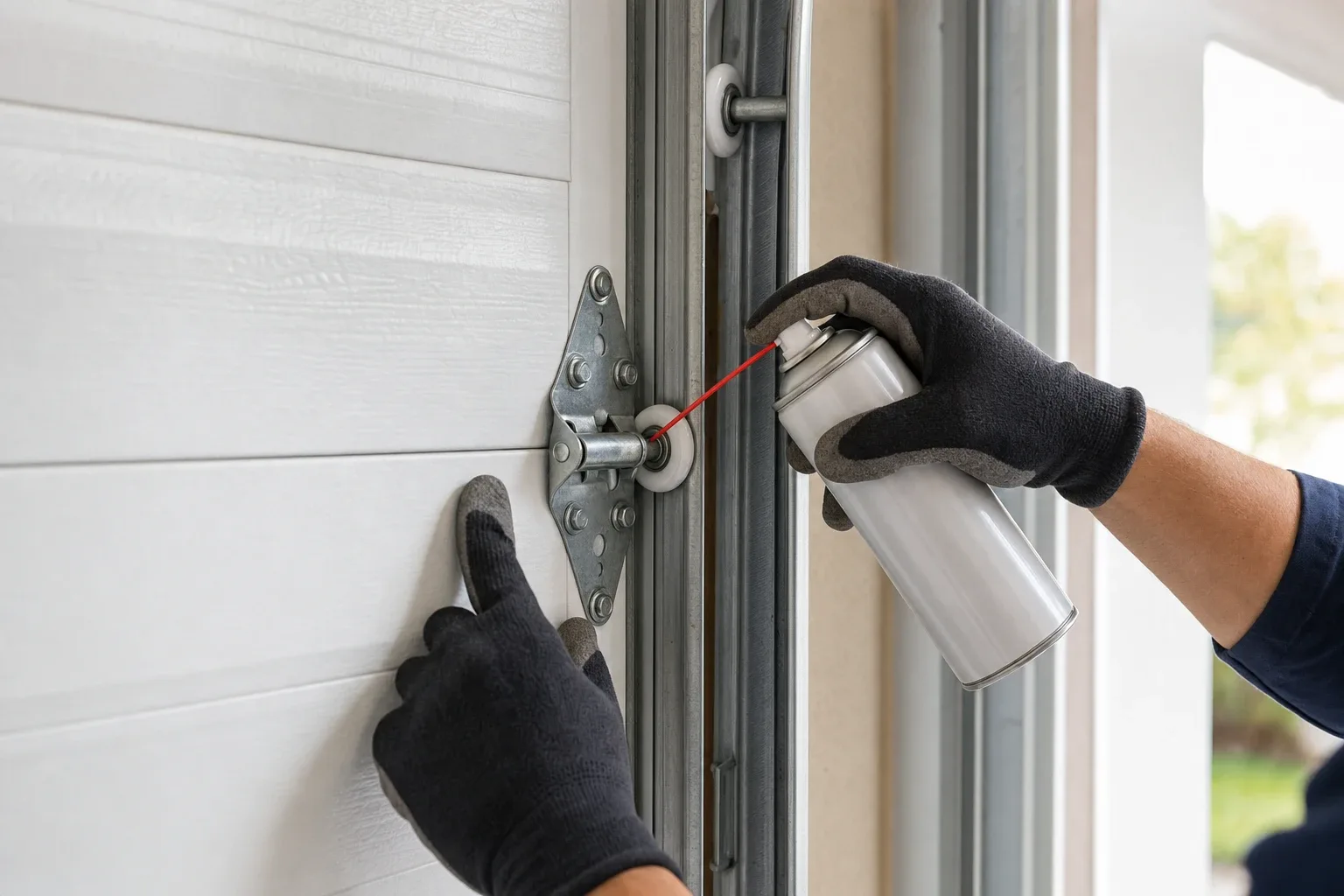
Illustrative image Maintenance
Regular maintenance in Texas focuses on lubrication that holds up to summer heat, a hardware check for hail damage, and a weatherstrip inspection before and after the hottest months.
Maintenance details
Built for Texas
What local conditions mean for your door
- 01
Extreme Summer Heat
Texas summers push garage doors and their hardware hard for months at a time. Sustained high temperatures thin out lubricant on springs and rollers faster than in milder climates, can warp PVC or rubber weatherstripping until it no longer seals against the floor, and put thermal stress on opener circuit boards mounted in an uninsulated, sun-baked garage.
- 02
Hail and Severe Thunderstorms
North and Central Texas sit inside one of the most hail-prone parts of the country, and a garage door is one of the largest flat, exposed surfaces on a home. Thin-gauge, non-insulated steel panels dent more easily than thicker insulated sections, and a bad hailstorm can leave cosmetic or functional damage that's worth checking after any severe weather event.
- 03
Gulf Coast Humidity, Salt Air, and Wind-Code Counties
Homes near Houston, Corpus Christi, and the rest of the Texas coast deal with year-round humidity and salt-laden air that speeds up corrosion on springs, cables, and track hardware. A defined set of coastal counties also falls under the state's windstorm insurance program, which can require a garage door engineered and certified to meet specific wind-pressure standards.
- 04
Expansive Clay Soils
Large parts of North and Central Texas sit on clay-rich soil that swells when wet and shrinks when dry. That movement can be enough to shift a slab foundation slightly over time, which is a common, often overlooked reason a garage door track pulls out of alignment or a door starts binding at one corner.
- 05
Wind, Dust, and Wide Temperature Swings in West Texas
The high plains around Lubbock and Amarillo and the desert basin around El Paso see strong, steady wind and blowing dust that works into roller bearings and opener sensors faster than in calmer, cleaner air. These areas also swing between hot days and cool nights more than the rest of the state, which adds extra thermal cycling for hardware and seals.
Cities
Texas cities
Local pages for the cities our technicians serve, and what matters for doors in each one.
- HoustonHarris County · Houston-Pasadena-The Woodlands
- San AntonioBexar County · San Antonio-New Braunfels
- DallasDallas County · Dallas-Fort Worth-Arlington
- AustinTravis County · Austin-Round Rock-San Marcos
- Fort WorthTarrant County · Dallas-Fort Worth-Arlington
- El PasoEl Paso County · El Paso
- Corpus ChristiNueces County · Corpus Christi
- McAllenHidalgo County · McAllen-Edinburg-Mission
How it works
What happens after you ask for help
- 1
Request
Tell us what the door is doing and your ZIP code. The form takes about a minute.
- 2
Confirm
We review the request and contact you to confirm details and timing before anything is scheduled.
- 3
Diagnose
A technician inspects springs, cables, rollers, tracks and the opener, then explains what is wrong and your options.
- 4
Fix or install
The agreed repair or new door is completed, then the balance and the opener's safety reverse are checked.
Answers
Texas garage door questions
Does extreme summer heat actually damage garage doors in Texas?
Yes. Sustained high heat thins spring lubricant faster, can warp rubber or PVC weatherstripping until it stops sealing against the floor, and puts thermal stress on opener circuit boards in an uninsulated garage.
Can hail dent a steel garage door?
It can, especially on thinner-gauge, non-insulated panels. Insulated doors tend to resist denting better because the foam backing helps the steel skin absorb an impact. A single damaged panel can often be replaced without swapping the whole door.
Do homes near the Texas coast need special wind-rated garage doors?
Homes inside the state's designated coastal windstorm counties may need a door engineered and certified to meet specific wind-pressure requirements before the property can qualify for windstorm insurance coverage. Requirements are set by location, so check with a professional or the Texas Department of Insurance for a specific address.
Why did my garage door go off track with no obvious cause?
In North and Central Texas, expansive clay soil can shift a slab foundation enough over time to pull a track slightly out of alignment. It's a common, often overlooked cause of off-track doors in this part of the state.
How does West Texas dust affect a garage door opener?
Blowing dust common on the high plains and in the desert basin around El Paso can work into roller bearings and settle on photo-eye sensors, which is why roller wear and sensor faults show up more often in that region.
Do I need a permit to replace a garage door in Texas?
Permit rules vary by city and county across Texas, so it's worth checking with your local building department before a full door replacement, especially if the work touches the structural opening.
Texas Garage Pros
Request service in Texas
Send the details in two quick steps. This isn't a booking — we contact you to confirm the problem, the timing and the location first.