
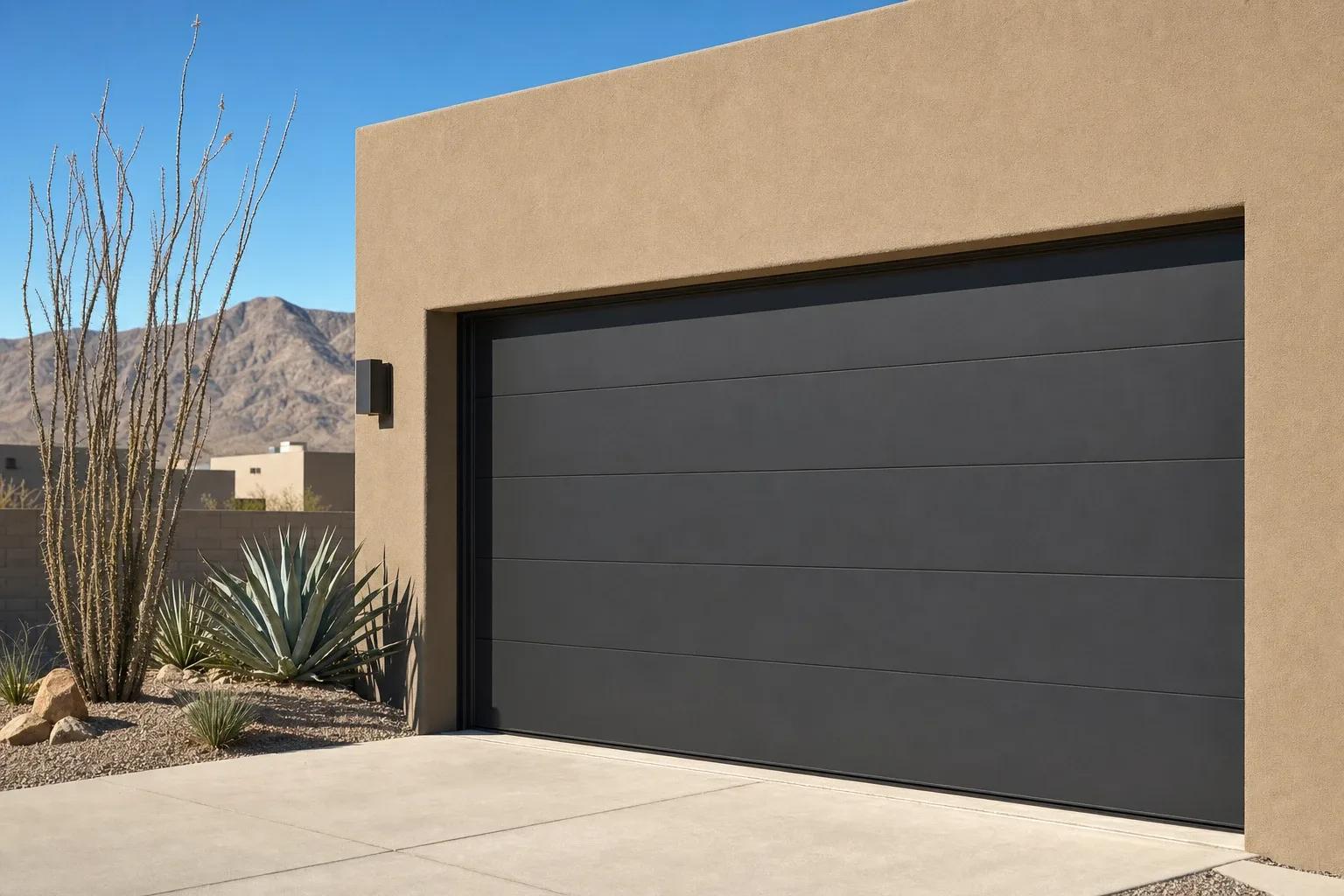
The short answer
Homes near the Texas Gulf Coast tend to see faster rust and corrosion on garage door springs, tracks, and cables, because salt carried in humid coastal air settles on exposed metal. Doors in coastal areas call for more frequent cleaning than the same doors inland.
Why coastal Texas hardware corrodes faster
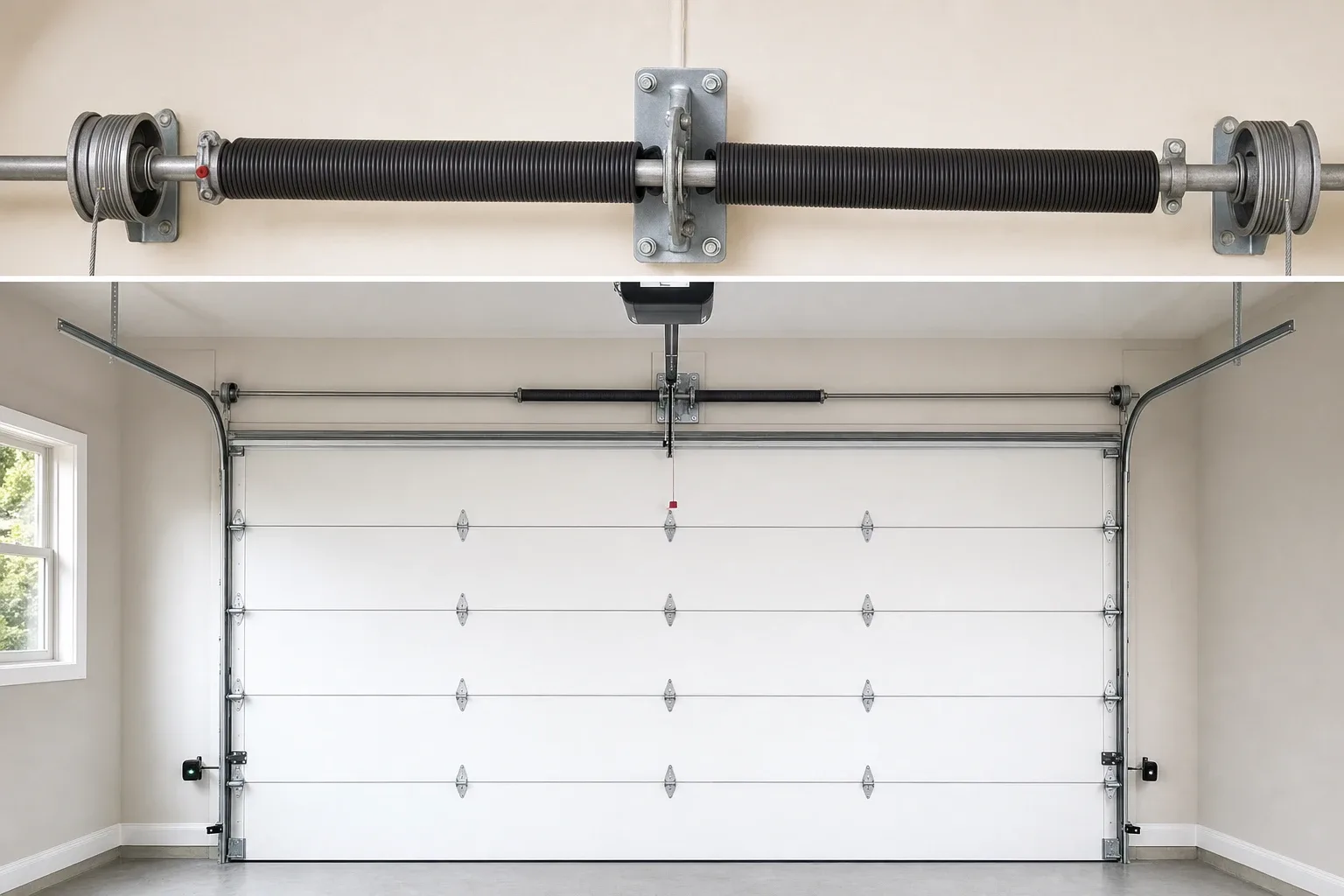
Salt that settles on a door and its hardware promotes rust on unprotected steel, and DASMA lists proximity to a saline coastal location among the climate conditions that affect spring life. On springs, rust reduces the effective area of the wire and can create corrosion pits from which fatigue cracks grow, so torsion springs, cables, and track fasteners deserve particular attention.
Where corrosion shows up first
Corrosion tends to appear at a handful of predictable spots before it becomes a bigger problem.
- Spring coils losing their coating and showing surface rust
- Cable strands fraying or discoloring near the bottom bracket
- Track bolts, hinges, and rollers rusting at exposed edges
- Bottom brackets and end bearing plates showing pitting
Reducing corrosion on a coastal garage door
Cleaning and waxing the door quarterly — including the inside of the bottom section, which is exposed to salt — and keeping the door closed when it isn't in use can both slow the process. Catching surface rust early, before it reaches a load-bearing part like a spring or cable, is the main goal of routine maintenance in these areas — and any hardware showing more than surface rust on a spring or cable should be evaluated by a professional rather than serviced by hand.
Published by Texas Garage Pros, a regional brand of USA Garage Pros · Updated 2026-10-19