
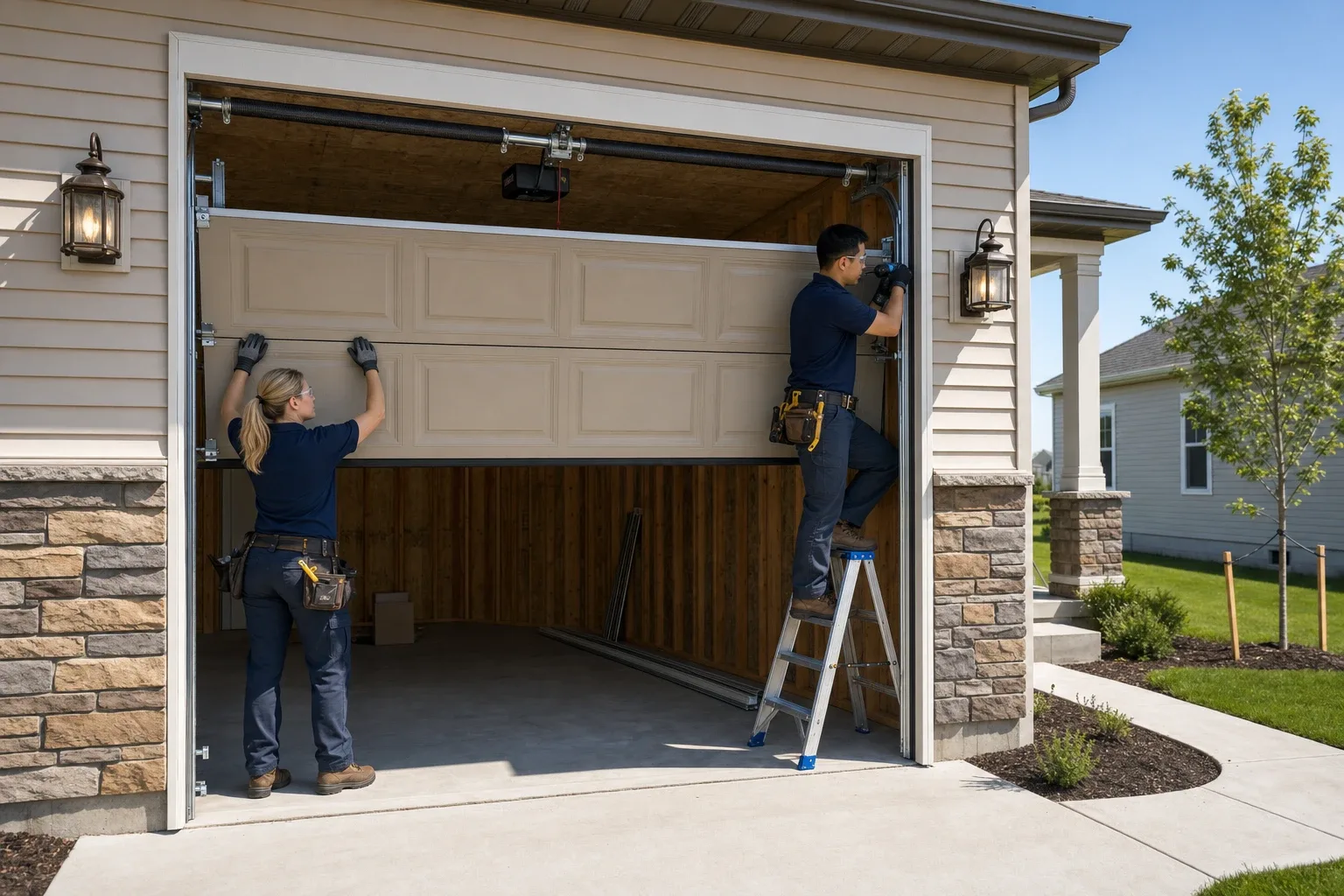
The short answer
In Wisconsin, the main cost factors for a garage door are its insulation level and construction, driven by the state's cold climate and, for heated garages, the added requirements that apply once supplemental heat is installed.
This page explains what drives the cost. It does not quote prices: no verified local price data has been published for this area, and every door is different. Assumptions: These are general cost factors, not published Wisconsin pricing; USA Garage Pros has not set local pricing for this page. Reviewed 2026-10-19.
Climate Zone and R-Value
Wisconsin's Uniform Dwelling Code sets its own two-tier insulation standard rather than following a single statewide minimum: 15 northern counties, including Bayfield, Ashland, Douglas, Iron, Vilas, Oneida, and Price, make up zone 2, which carries higher minimum wall and floor insulation than zone 1, the rest of the state. Those zone minimums cover the home's thermal envelope rather than an unheated garage, but a higher R-value core generally costs more than a basic uninsulated panel, and homeowners in the colder northern counties sometimes choose one for comfort.
Heated vs. Unheated Garages
Under Wisconsin's Uniform Dwelling Code, a garage can't be given supplemental heat unless the dwelling is thermally isolated from it, its floor, ceiling, and walls have a vapor retarder, and its building elements meet the same insulation and fenestration criteria the code sets for the home, a bar that can push homeowners toward a higher-insulation door than they'd otherwise pick for a purely unheated space. Those requirements are waived if the garage thermostat is permanently limited to 50°F and the heating equipment is separate or separately zoned.
Door Construction and Panel Type
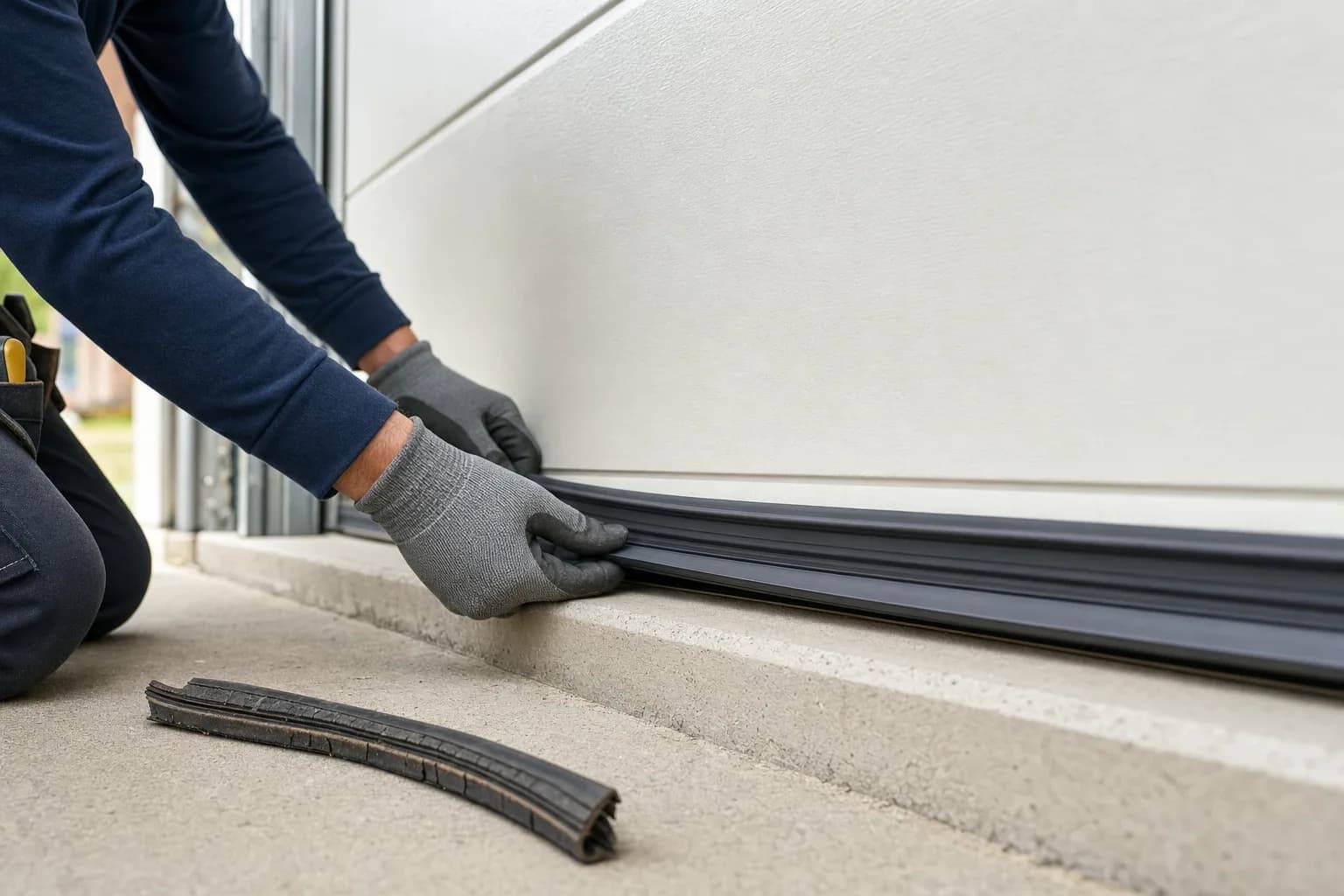
Steel gauge, the type of foam core (polyurethane or polystyrene), and the quality of the weatherstrip all factor into both the upfront cost and how well a door performs through a Wisconsin winter.
Cost factors
- Climate zone
- Wisconsin's Uniform Dwelling Code sets higher minimum wall and floor insulation for 15 northern counties than for the rest of the state; those minimums reach a garage only if it is heated.
- Heated garage status
- A garage that will be heated must, under state code, be thermally isolated from the home and meet the home's insulation and fenestration criteria unless its heat is permanently limited to 50°F, which affects the door specified.
- Panel construction and core material
- Steel gauge and foam core type (polyurethane vs. polystyrene) both affect R-value and price.
- Door size and number of sections
- Wider two- and three-car doors and doors with more sections generally cost more than a single-car door of the same construction.
Published by Wisconsin Garage Pros, a regional brand of USA Garage Pros · Updated 2026-10-19