
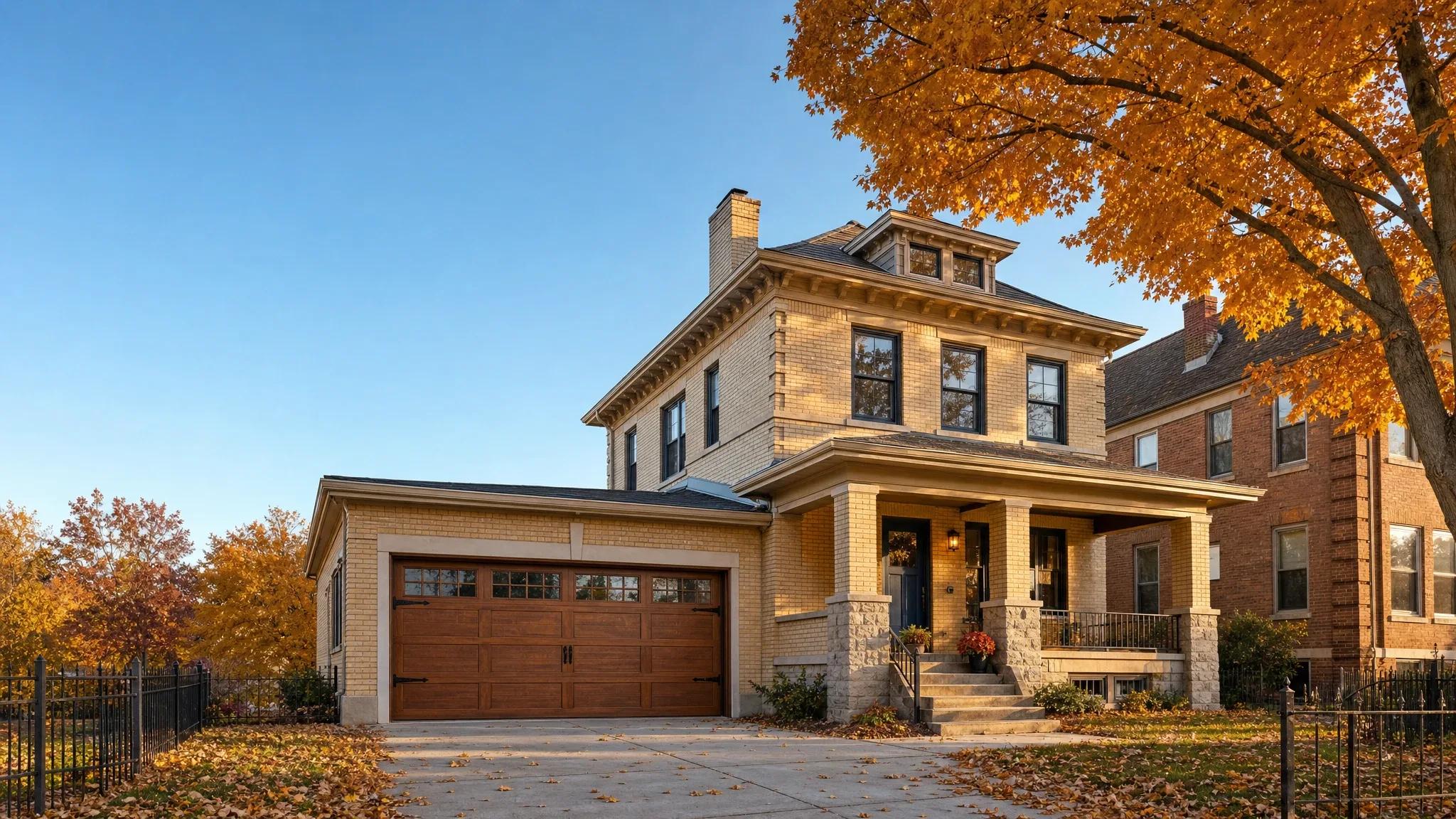
Garage Doors. A Stronger Wisconsin.
Garage Door Repair, Installation & Replacement in Wisconsin
Repair, installation, and replacement for Wisconsin homes, matched to Lake Michigan snow bands, Northwoods cold, and decades-old detached garages.
- Repairs for springs, openers, cables, rollers and tracks
- New door selection, replacement and installation
- Advice written for Wisconsin homes and weather
Request Service
Wisconsin Garage Pros — tell us what's happening.
Wisconsin Garage Pros
Garage door information for Wisconsin homes
Wisconsin's winters are long and genuinely cold, with weeks of sub-zero overnight lows across the state and routine wind chills well below zero in the north. Lake Michigan adds its own twist on the eastern side of the state, throwing narrow, intense snow bands onto Milwaukee, Racine, and Kenosha even when inland areas stay clear. That mix of deep cold and localized heavy snow is the biggest factor shaping how garage doors hold up here.
Housing stock varies a lot from one part of the state to another. Milwaukee, Madison, and the older river towns are full of homes built before 1960, many with narrow single-car garages set off a rear alley or driveway, often original to the house and rarely insulated. Newer subdivisions around the Fox Valley, Madison's suburbs, and smaller cities favor wider two- and three-car attached garages built to current energy standards.
Steel sectional doors dominate new installations statewide, almost always insulated given how cold Wisconsin's winters run. Carriage-style and short-panel wood-tone doors are common on older homes and Northwoods cabins, while full-view glass doors have found a niche on the mid-century modern homes around Madison's lakes. Spring freeze-thaw cycles and winter ice buildup matter more here than wind or hail, which is a bigger concern in the plains states to the west.
- Lake Michigan Shoreline (Milwaukee, Kenosha)
- Lake-effect snow bands and higher summer humidity right along the water.
- Madison and South Central Wisconsin
- Isthmus and glacial-lake neighborhoods with a mix of prewar bungalows and mid-century modern homes.
- Fox Valley and Northeast (Green Bay, Appleton)
- Bay-effect snow off Green Bay and river-valley humidity along the Fox River.
- Western Wisconsin / Driftless Area (Eau Claire, La Crosse)
- Unglaciated bluff-and-valley terrain along the Mississippi and Chippewa rivers, with valley fog and frost.
- Northwoods / North Central (Wausau)
- Colder averages, heavier snow totals, and nearby lake-cabin properties with detached, seasonally used garages.
Every request is reviewed before anything is scheduled.
Services
Wisconsin garage door services
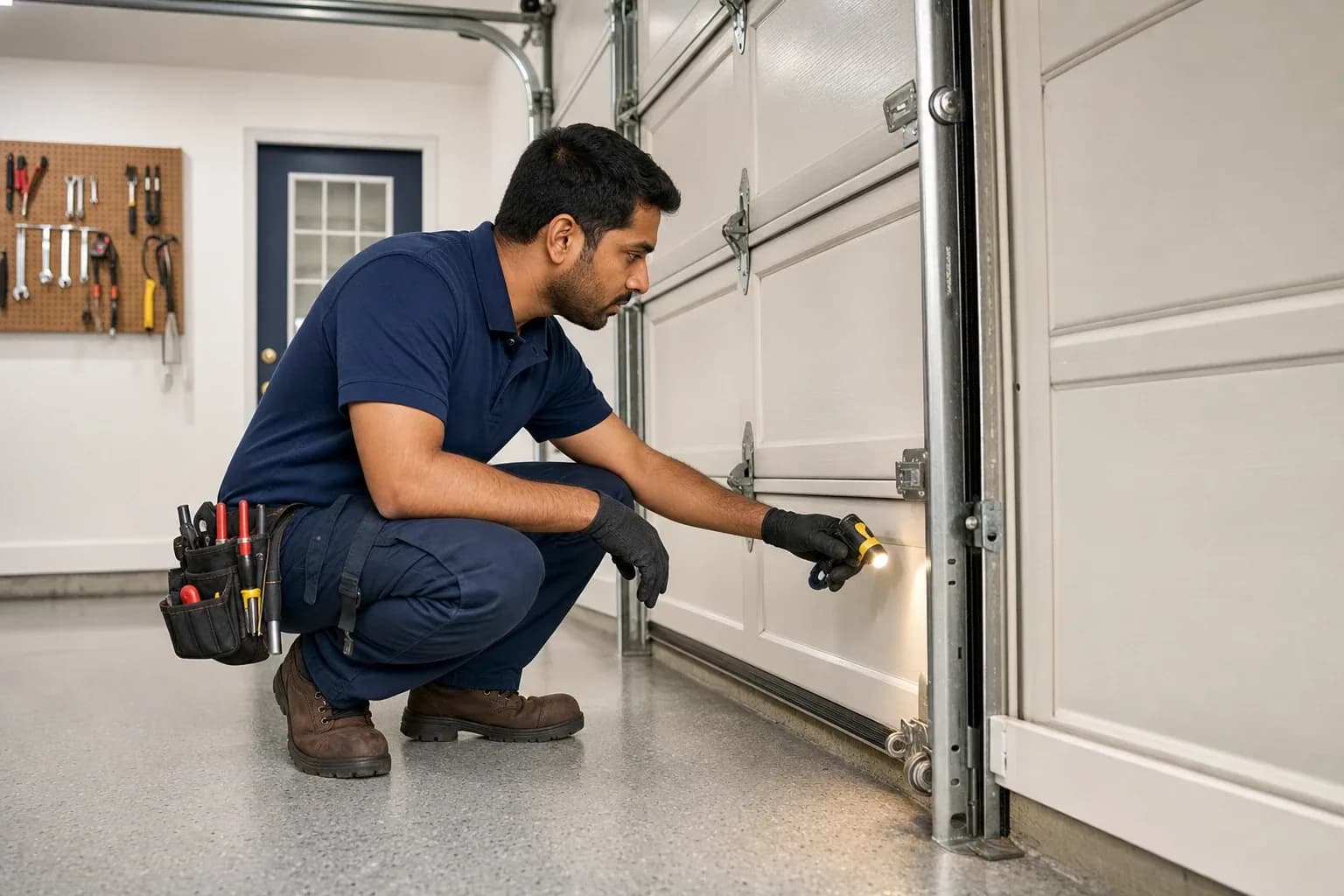
Illustrative image Repair
Wisconsin's swing from summer humidity to sub-zero winter stretches puts extra strain on hardware, so repair calls here often trace back to cold-stiffened springs, ice-clogged tracks, or seals that have hardened and cracked.
Repair details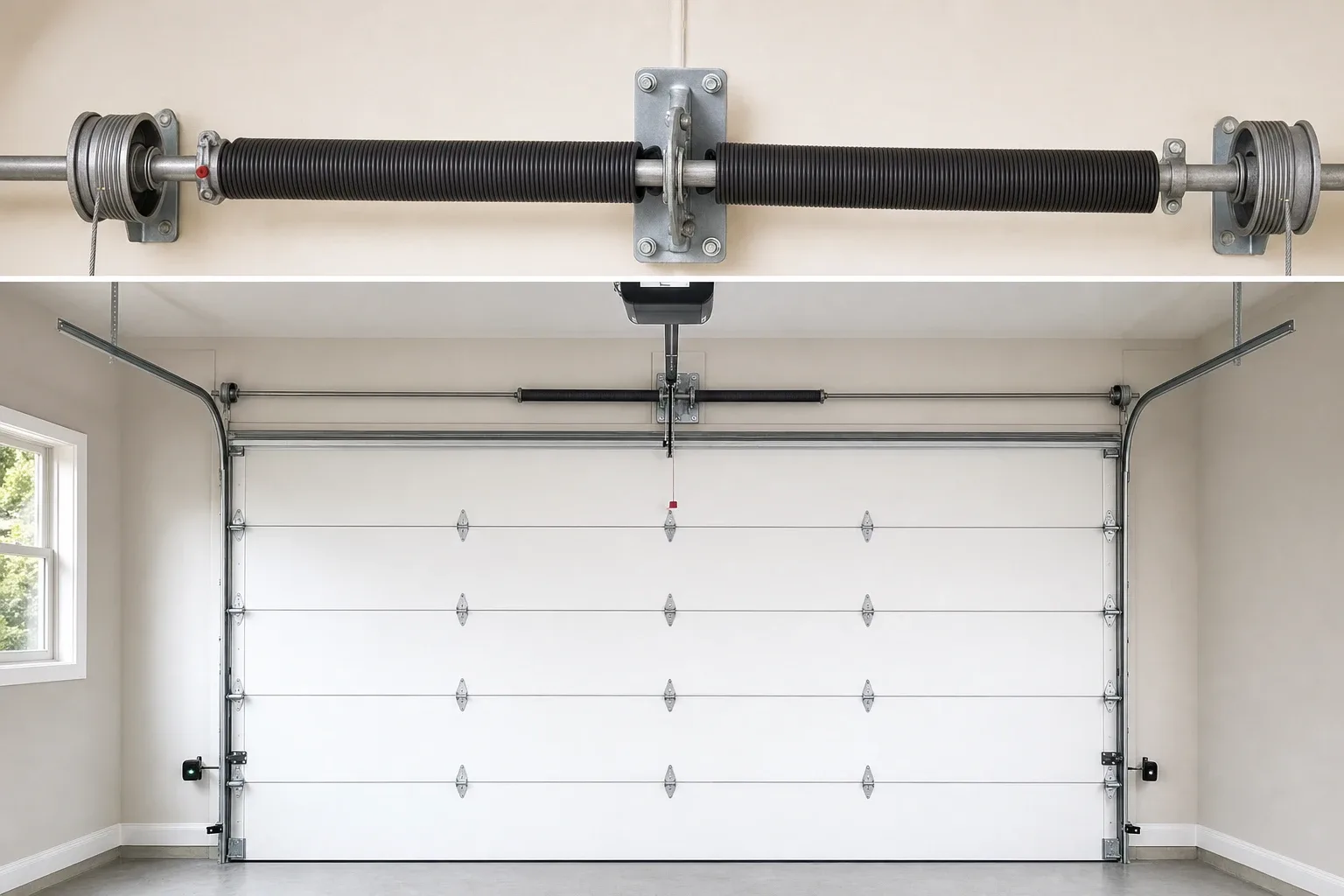
Illustrative image Spring Repair
Torsion and extension springs work harder in cold Wisconsin winters, since steel loses some flexibility as temperatures drop, which is why spring failures tend to cluster during the coldest stretches of the year.
Spring Repair details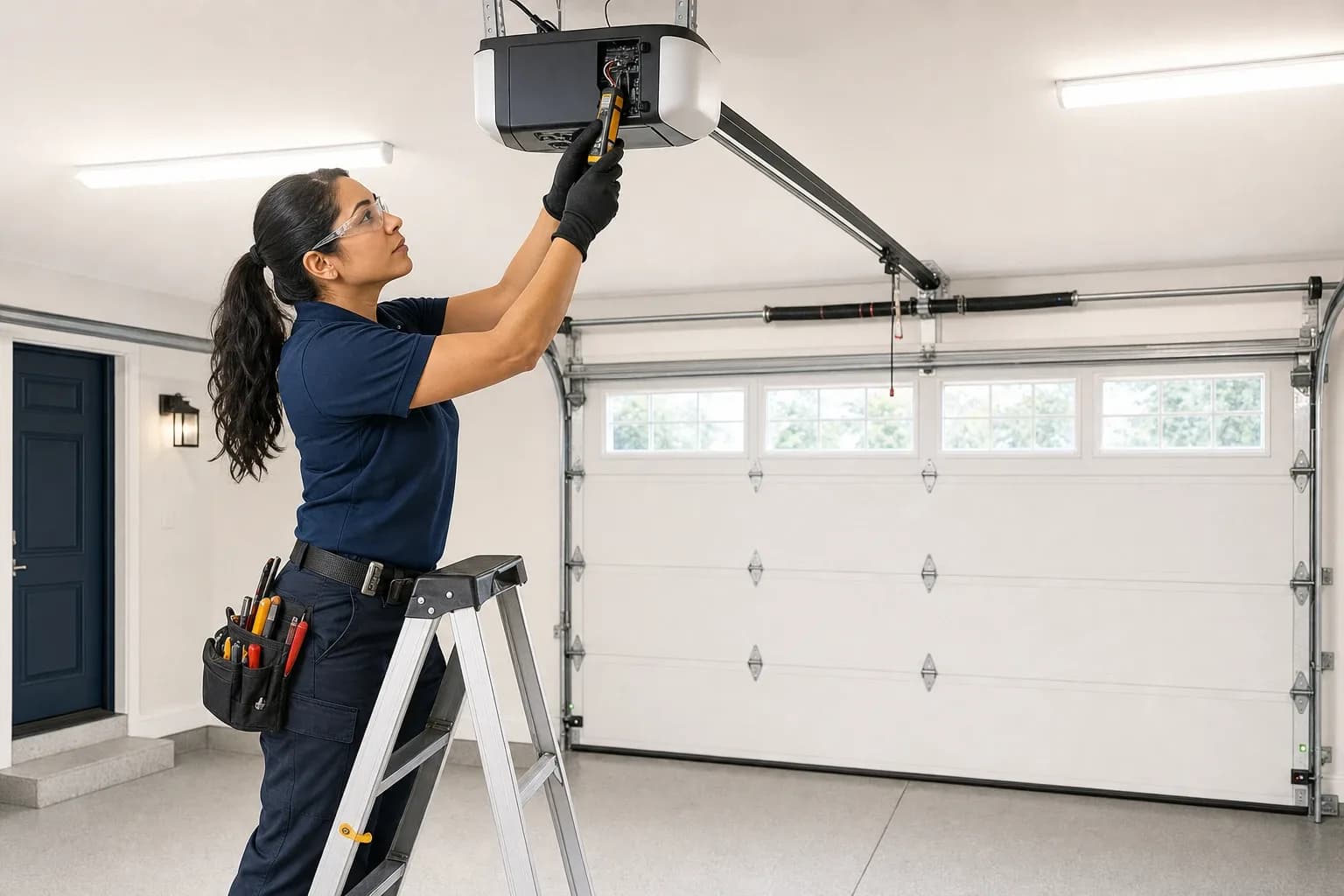
Illustrative image Opener Repair
Opener sensors and drive components can act up when ice or packed snow builds up on the track or lens, a pattern that shows up more often here during Wisconsin's heavy-snow months.
Opener Repair details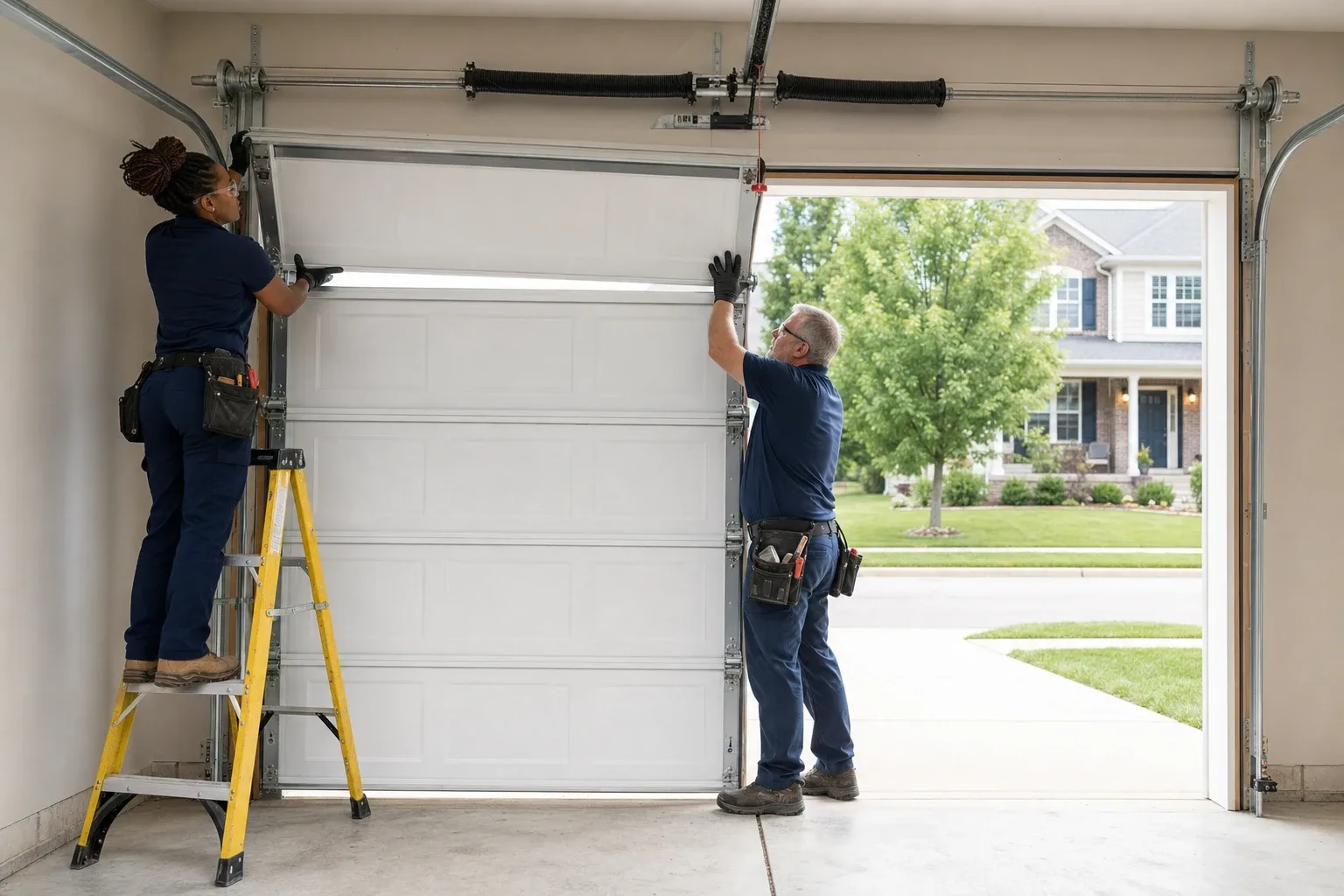
Illustrative image Replacement
Replacing an older, often uninsulated door is common in Wisconsin's many pre-1960s homes, where swapping to an insulated steel door noticeably cuts down on drafts and condensation through a Wisconsin winter.
Replacement detailsIllustrative image Installation
New installations in Wisconsin typically call for an insulated steel door rated for the state's cold climate zones, whether it's going into a new-construction opening or replacing a decades-old frame in an established neighborhood.
Installation details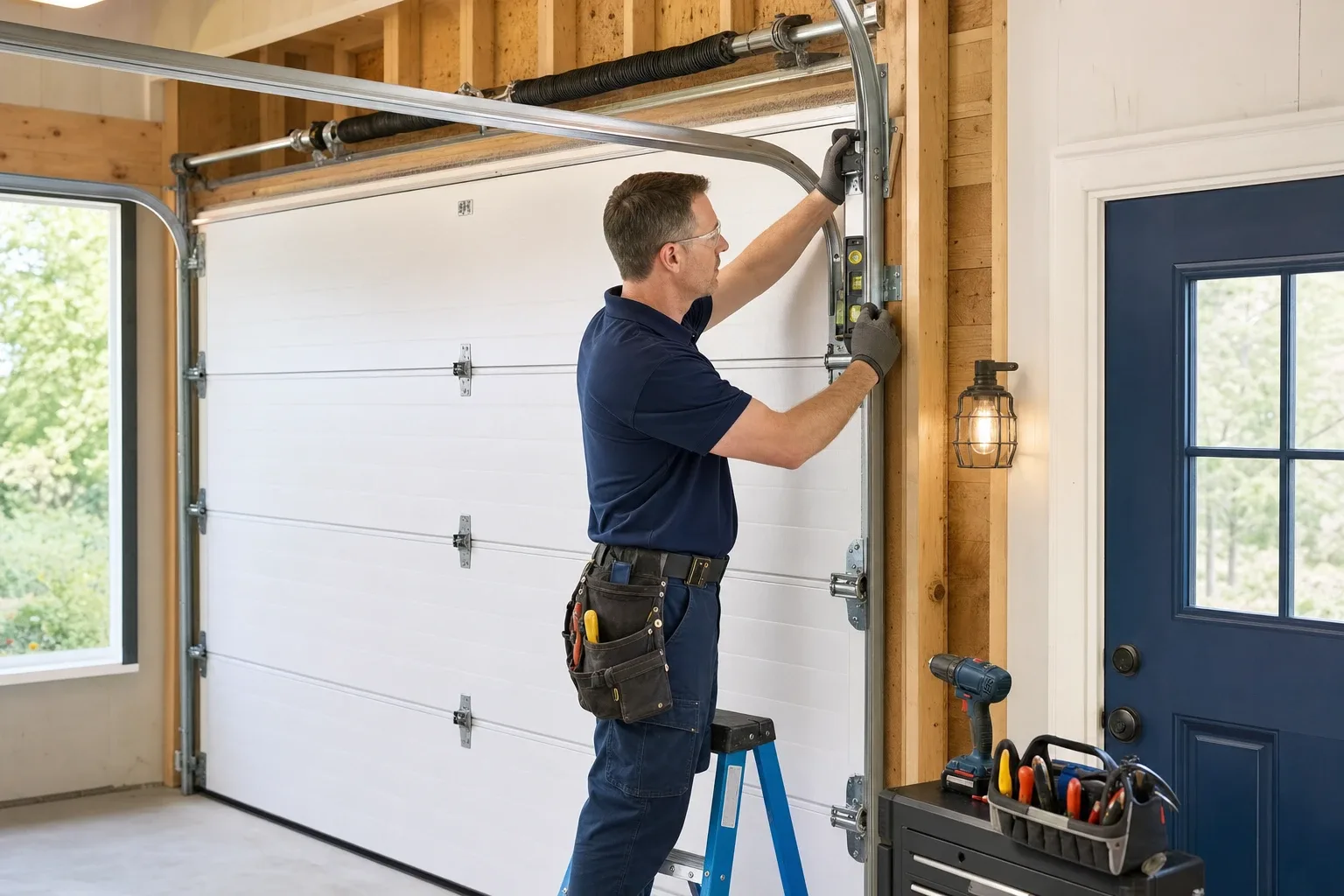
Illustrative image Off-Track Repair
Heavy, wet snow sliding off a roof onto a door, or a snowbank pushed up against the track by a plow, are common causes of a door coming off-track in Wisconsin winters.
Off-Track Repair details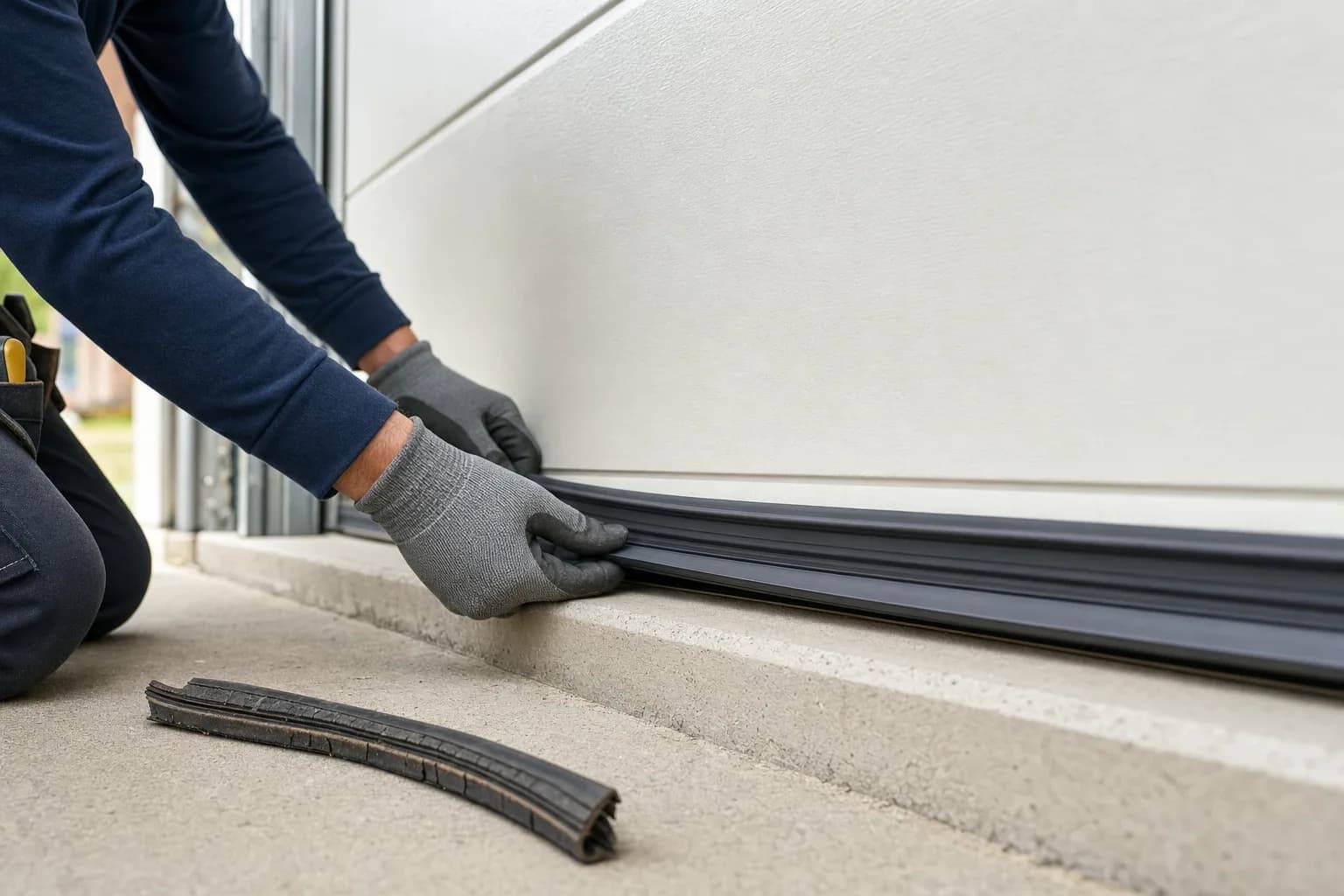
Illustrative image Weather Sealing
A worn bottom seal lets in wind-driven snow and cold air straight through a Wisconsin winter, so weather-sealing tends to matter more here than in states with milder off-seasons.
Weather Sealing details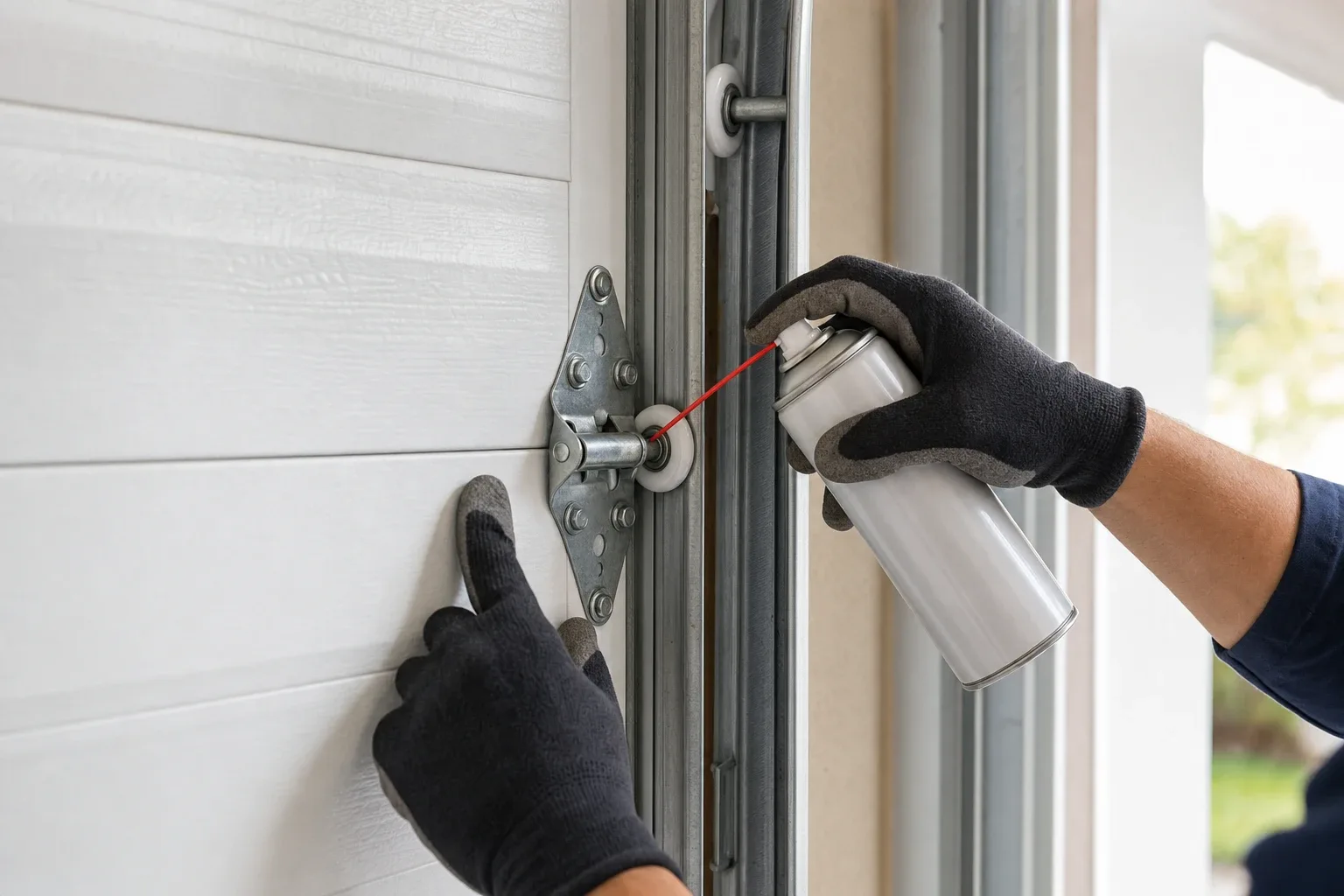
Illustrative image Maintenance
A fall maintenance check before the first hard freeze, covering lubrication, hardware tightening, and a weatherstrip look-over, heads off a lot of the cold-weather problems Wisconsin garages see each winter.
Maintenance details
Built for Wisconsin
What local conditions mean for your door
- 01
Deep Freeze and Snow Load
Multi-day stretches below zero are routine across Wisconsin most winters, and heavy wet snow is common in the southern two-thirds of the state. That combination puts real strain on springs, cables, and opener motors, which is why cold-weather failures cluster in January and February.
- 02
Lake Michigan Snow Bands
Communities along the eastern shoreline, from Kenosha up through Milwaukee and Sheboygan, sit in the path of lake-effect snow squalls that can dump far more snow on a single neighborhood than falls just a few miles inland.
- 03
Spring Freeze-Thaw Cycles
As Wisconsin thaws each spring, meltwater refreezes overnight along driveway aprons and garage door seals. That freeze-thaw cycle is a common cause of a door frozen to the floor or a bottom seal torn loose from repeated expansion and contraction.
- 04
Older Detached Garages
A large share of homes in Milwaukee, Madison, and Wisconsin's other older cities have detached, single-car garages that predate modern building standards, often unheated and with a smaller original opening than today's typical door sizes.
- 05
Northwoods Cold and Cabin Country
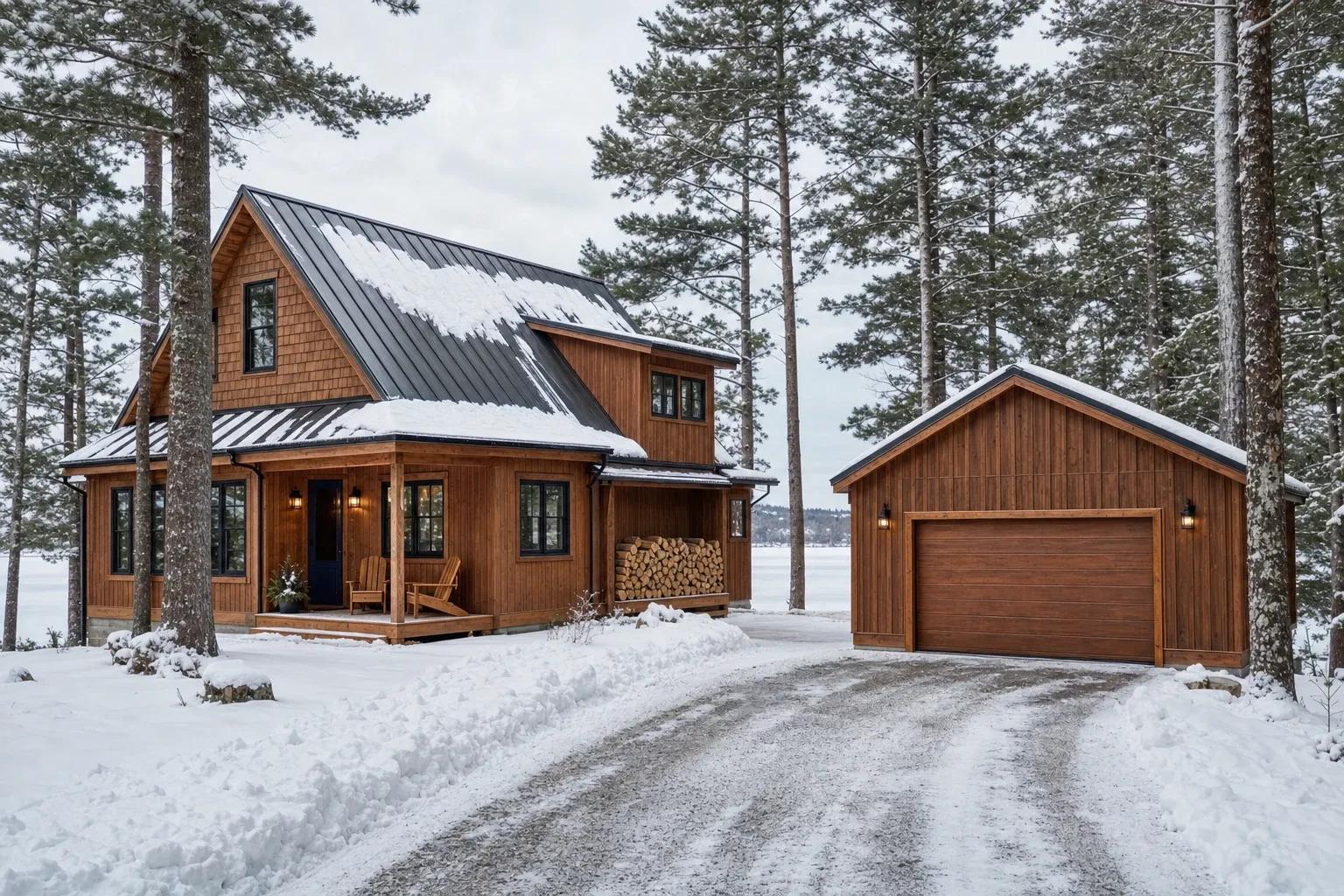
The state's northern counties, especially near Lake Superior, see even colder averages and heavier snowfall than the south, and many properties there are seasonal lake cabins with detached garages built for occasional, rather than daily, use.
Cities
Wisconsin cities
Local pages for the cities our technicians serve, and what matters for doors in each one.
- MilwaukeeMilwaukee County · Milwaukee-Waukesha, WI
- MadisonDane County · Madison, WI
- Green BayBrown County · Green Bay, WI
- KenoshaKenosha County · Kenosha, WI
- AppletonOutagamie County · Appleton, WI
- Eau ClaireEau Claire County · Eau Claire, WI
- WausauMarathon County · Wausau, WI
- La CrosseLa Crosse County · La Crosse-Onalaska, WI-MN
How it works
What happens after you ask for help
- 1
Request
Tell us what the door is doing and your ZIP code. The form takes about a minute.
- 2
Confirm
We review the request and contact you to confirm details and timing before anything is scheduled.
- 3
Diagnose
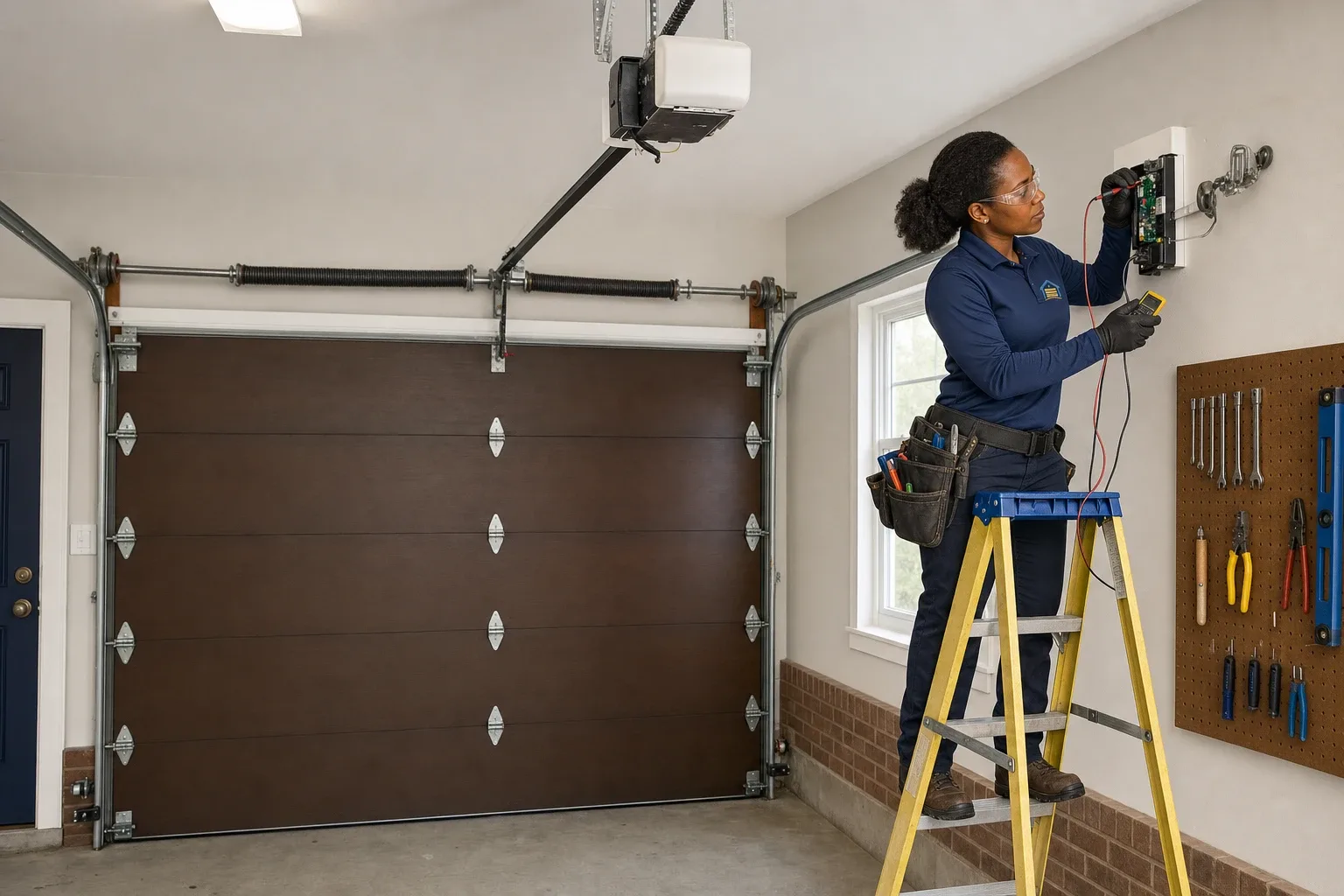
A technician inspects springs, cables, rollers, tracks and the opener, then explains what is wrong and your options.
- 4
Fix or install
The agreed repair or new door is completed, then the balance and the opener's safety reverse are checked.
Answers
Wisconsin garage door questions
Why does my garage door struggle to open on the coldest days?
Cold makes steel springs stiffer and grease inside the opener thicker, so the whole system has to work harder to move the door. On very cold days that extra resistance is often the first sign a spring or opener needs attention before it fails outright.
Can a garage door actually freeze to the floor in Wisconsin?
Yes. Meltwater or condensation under the bottom seal can refreeze overnight, sealing the weatherstrip to the concrete slab until it's gently warmed or freed. Forcing the opener repeatedly can strain the cables and springs, so it's worth freeing the seal by hand first.
Do I need an insulated garage door in Wisconsin?
Most homeowners here choose an insulated steel door, especially for an attached garage, since it holds up better against sub-zero nights and cuts down on the condensation that an uninsulated door tends to develop in winter.
Why do garage door springs seem to fail more often in winter?
Cold steel is more brittle and under more strain than steel at room temperature, so a spring that's near the end of its life is more likely to break during a Wisconsin cold snap. Springs are under high tension and are not a homeowner repair.
How does road salt affect a garage door?
Brine tracked in on tires and dripped near the bottom of the tracks and cable drums speeds up rust and corrosion over a Wisconsin winter, which is why tracks and cables in an attached garage often show wear before other hardware.
What garage door style fits an older Milwaukee or Madison home?
Many pre-1960s Wisconsin homes have a narrower original opening, so a carriage-style or short-panel insulated steel door sized to the existing frame is a common fit that keeps the home's look while adding modern insulation.
Wisconsin Garage Pros
Request service in Wisconsin
Send the details in two quick steps. This isn't a booking — we contact you to confirm the problem, the timing and the location first.