
The short answer
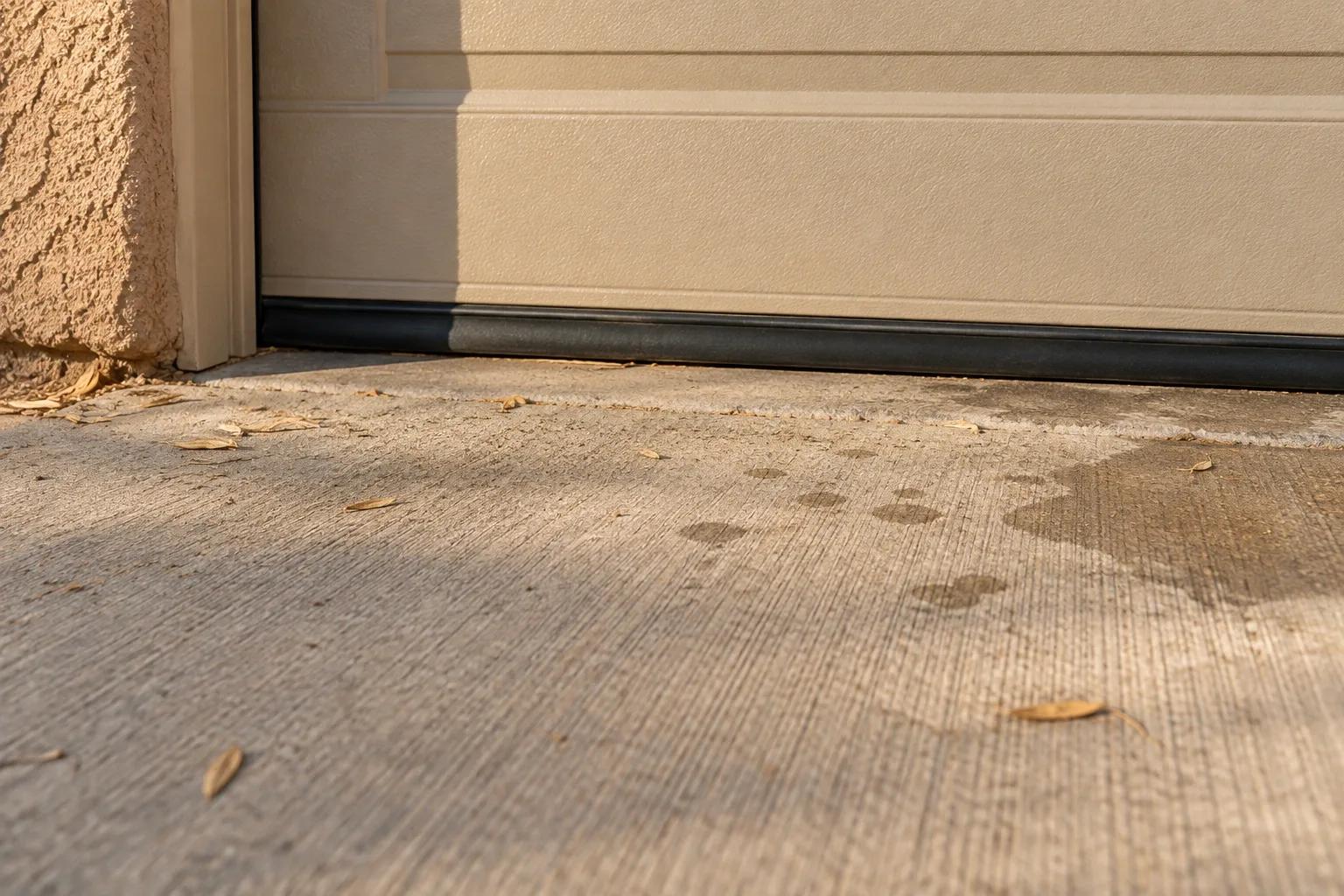
Arizona's monsoon runs June 15 through September 30, and its thunderstorm downbursts produce straight-line winds commonly of 40 to 60 mph and sometimes above 100 mph. After a storm, look before you run the opener: a door that is bent, off its track or out of balance should not be forced.
Why Monsoon Wind Is Different
NWS Phoenix describes a microburst as a small area of rapidly descending air beneath a thunderstorm, with straight-line winds commonly 40 to 60 mph that can exceed 100 mph. Its summary of the August 25, 2025 storms records dust-storm wind reports near 50 to 65 mph in the Phoenix metro and, farther west in Yuma and Imperial counties, multiple power poles knocked over.
What to Check After a Storm
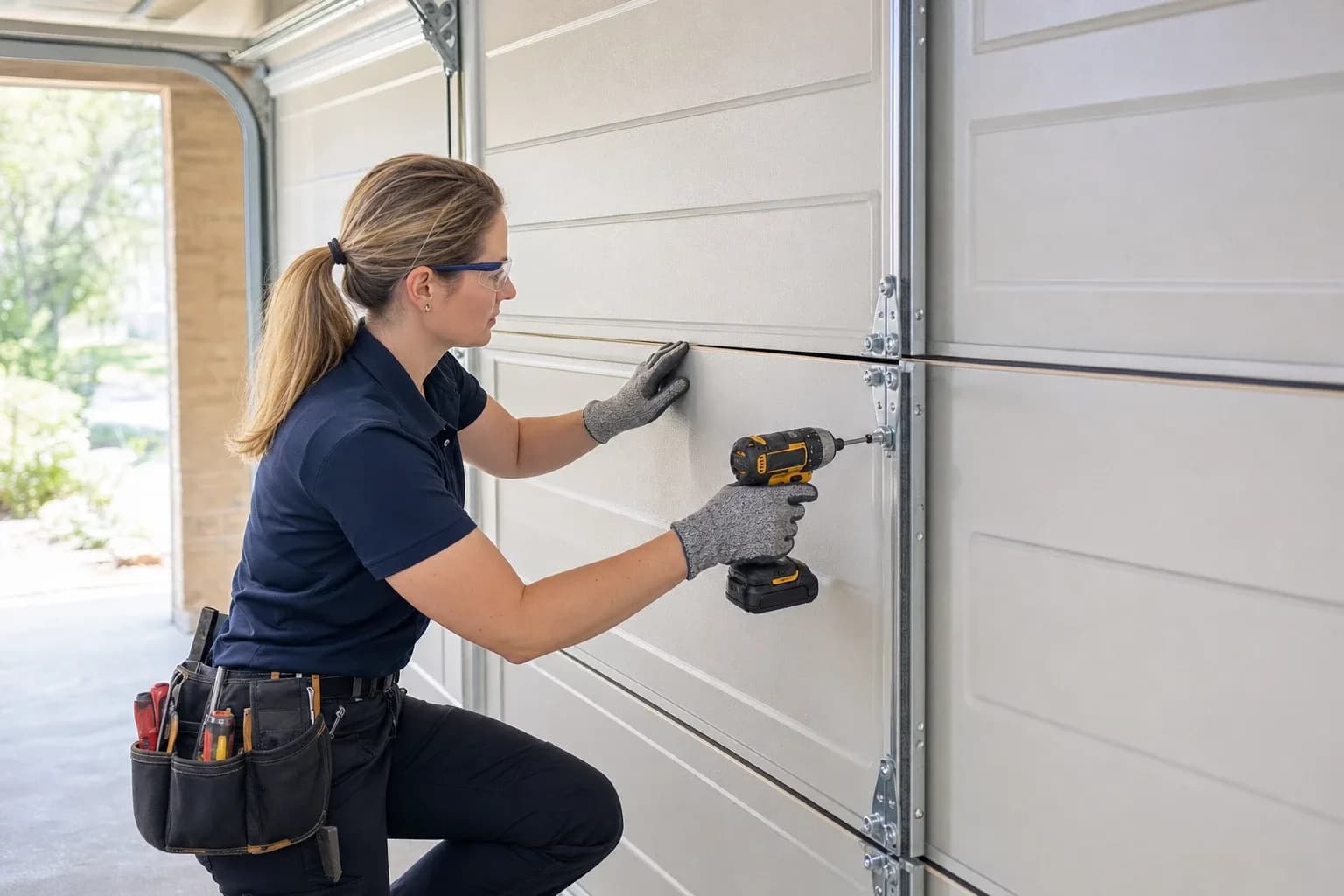
Walk around the door before you use it. If any sign below shows up, stop using the opener and do not force the door by hand.
- Tracks, brackets or rollers that look bent, shifted or out of the track, or panels with new creases or a door that sags to one side.
- Debris against the photo-eyes, or a sensor light that is off or not glowing steadily, which usually points to a misaligned or blocked sensor or a wiring problem.
- A door that jerks, binds or reverses on its own.
Wind Ratings and Power Outages
Arizona has no statewide residential building code, so the local building department decides whether a wind-rated door is required; a rated door carries a permanent label showing design pressure in psf, not mph.
If the power is out, use the emergency release only as the opener's manual describes, with the door closed if possible, since weak or broken springs can let an open door fall.
Published by Arizona Garage Pros, a regional brand of USA Garage Pros · Updated 2026-10-19