
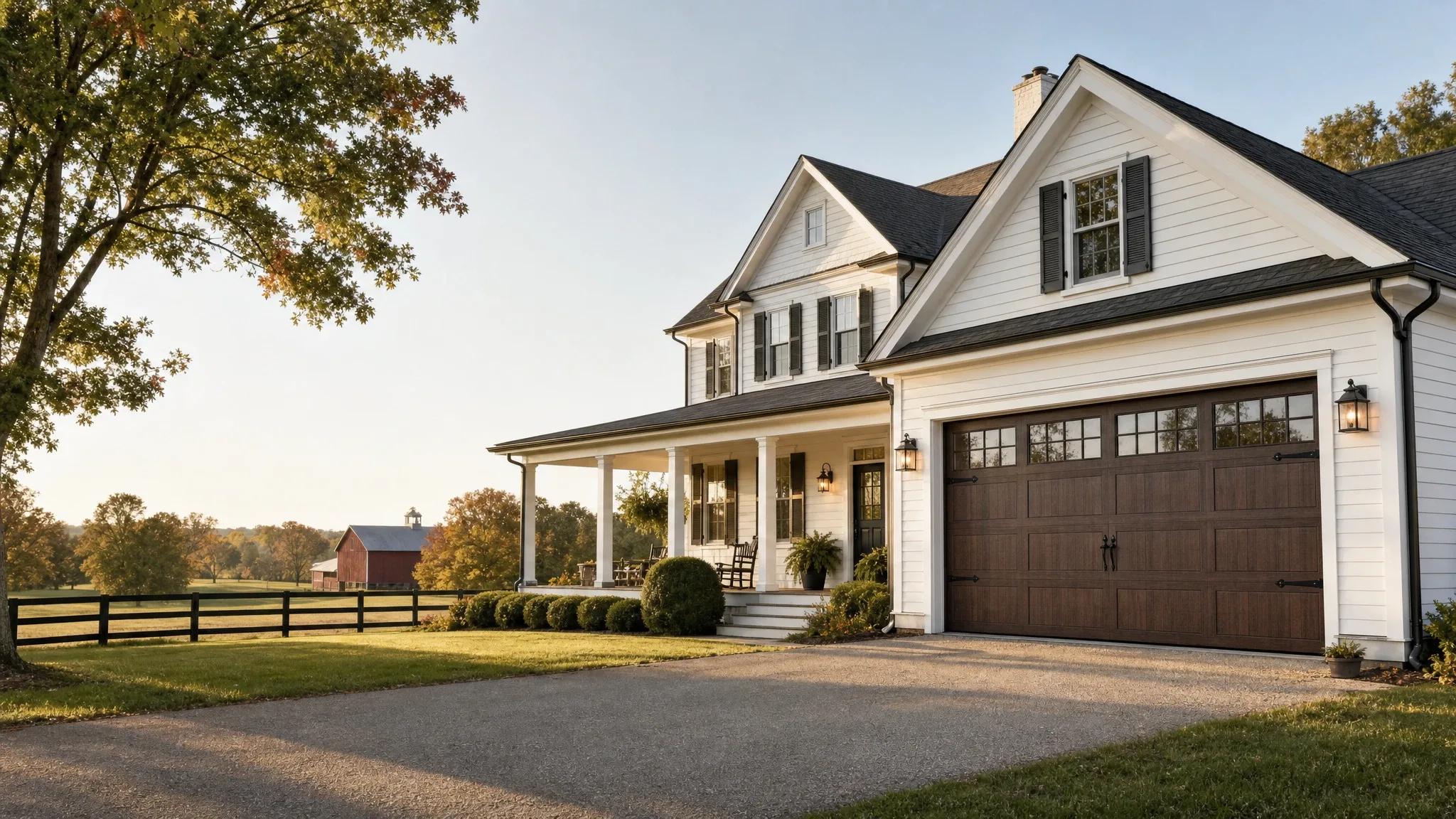
Garage Doors. A Stronger Kentucky.
Garage Door Repair, Installation & Replacement in Kentucky
From Louisville to the Bluegrass, request service for springs, openers, and doors built for Kentucky's freeze-thaw winters and humid summers.
- Repairs for springs, openers, cables, rollers and tracks
- New door selection, replacement and installation
- Advice written for Kentucky homes and weather
Request Service
Kentucky Garage Pros — tell us what's happening.
Kentucky Garage Pros
Garage door information for Kentucky homes
Kentucky sits in the transition zone between the humid subtropical Southeast and the colder Ohio Valley, which means garage doors here have to handle both hot, humid summers and winters that swing between mild rain and hard freezes. The same door might spend a July afternoon in high humidity and a January morning coated in glaze ice, and that swing is harder on hardware than steady weather in either direction alone.
Housing stock varies a lot across the state. Louisville's older neighborhoods and parts of Lexington still have narrow single-car garages, and sometimes detached garages set off an alley, built for an earlier generation of cars. Postwar suburbs across Jefferson and Fayette counties added wider attached two-car garages, and newer subdivisions in growing areas like northern Kentucky and Bowling Green build to current standard widths. In the Bluegrass region's horse-farm country, it's also common to find oversized carriage doors on barns and equipment buildings that function like a garage but use different hardware and sizing than a house.
Regionally, the biggest factors are winter ice storms and freeze-thaw cycling, summer humidity that promotes rust on hardware over time, and — in parts of south-central and western Kentucky — limestone karst terrain where gradual ground settling can throw an older garage slightly out of square. None of these are dramatic on their own, but together they explain why Kentucky garage doors tend to develop problems gradually rather than all at once.
- Louisville Metro (Jefferson County)
- Dense pre-war neighborhoods with narrow single-car garages alongside newer suburban construction with standard two-car openings.
- The Bluegrass (Lexington-Fayette & horse country)
- Suburban tract homes sit alongside large equestrian estates with oversized barn-style carriage doors.
- Northern Kentucky (Ohio River cities)
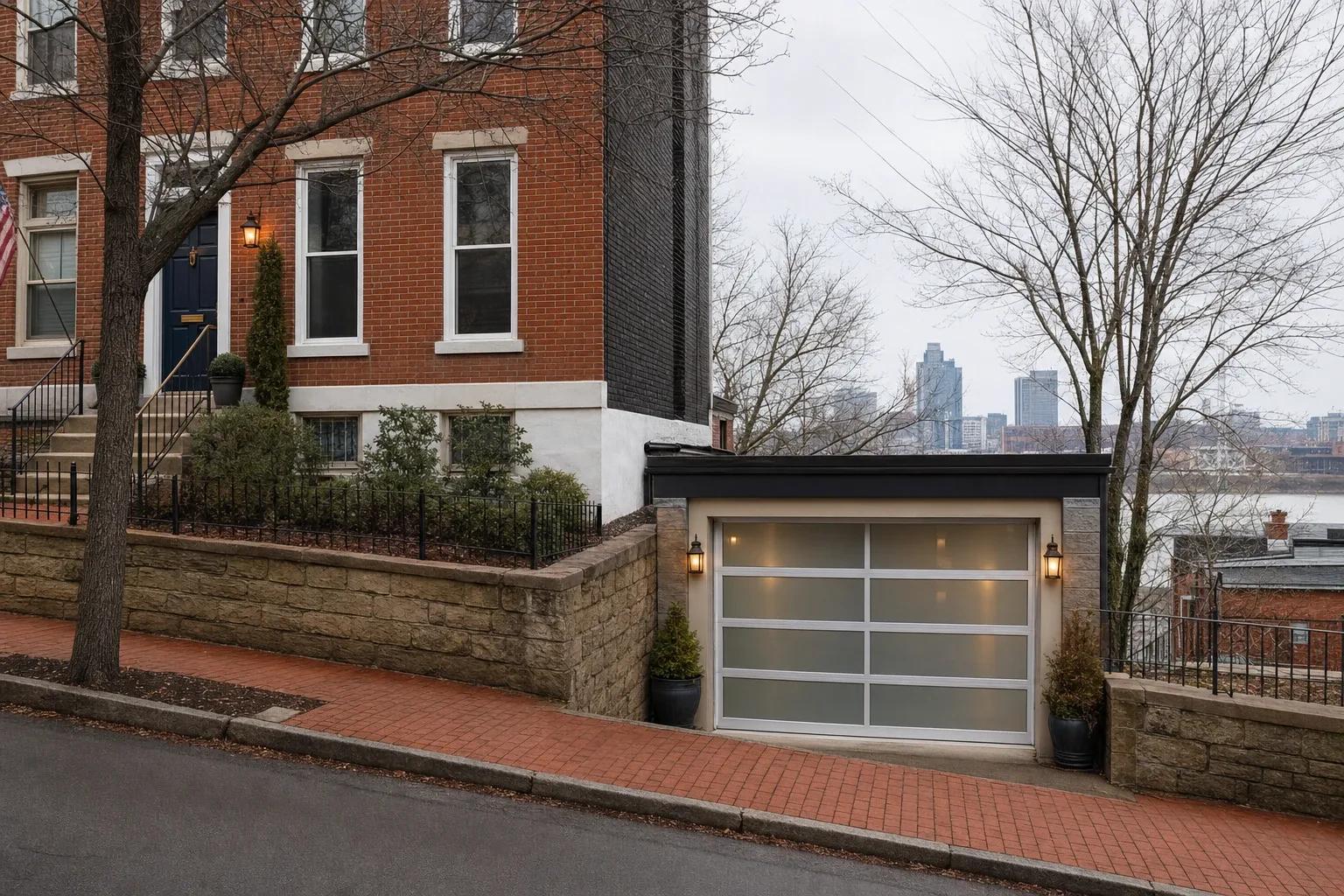
- Hillside river towns across from Cincinnati with older housing stock and detached garages tucked below street level.
- Western Kentucky (Ohio & Green River lowlands)
- Flatter terrain with newer ranch-style homes and wider attached garages than the state's older urban cores.
- South-Central & Southeastern Kentucky
- Karst limestone terrain and Appalachian foothill lots, with more hillside and detached-garage construction.
Every request is reviewed before anything is scheduled.
Services
Kentucky garage door services
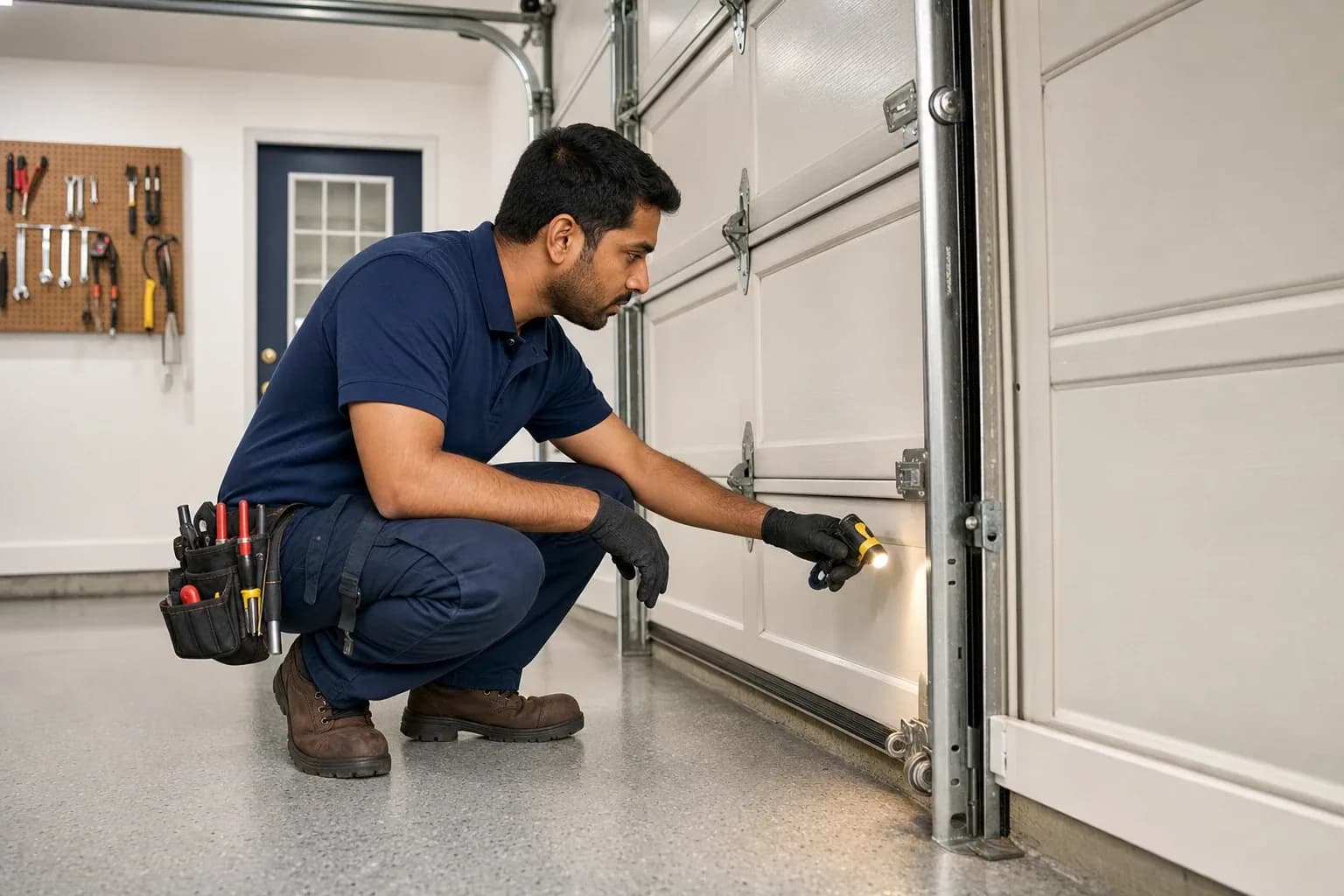
Illustrative image Repair
Kentucky's swing between humid summers and icy winters puts extra strain on garage door hardware, so repair calls here often trace back to worn rollers, a stretched cable, or a spring that has gradually lost tension rather than one dramatic failure.
Repair details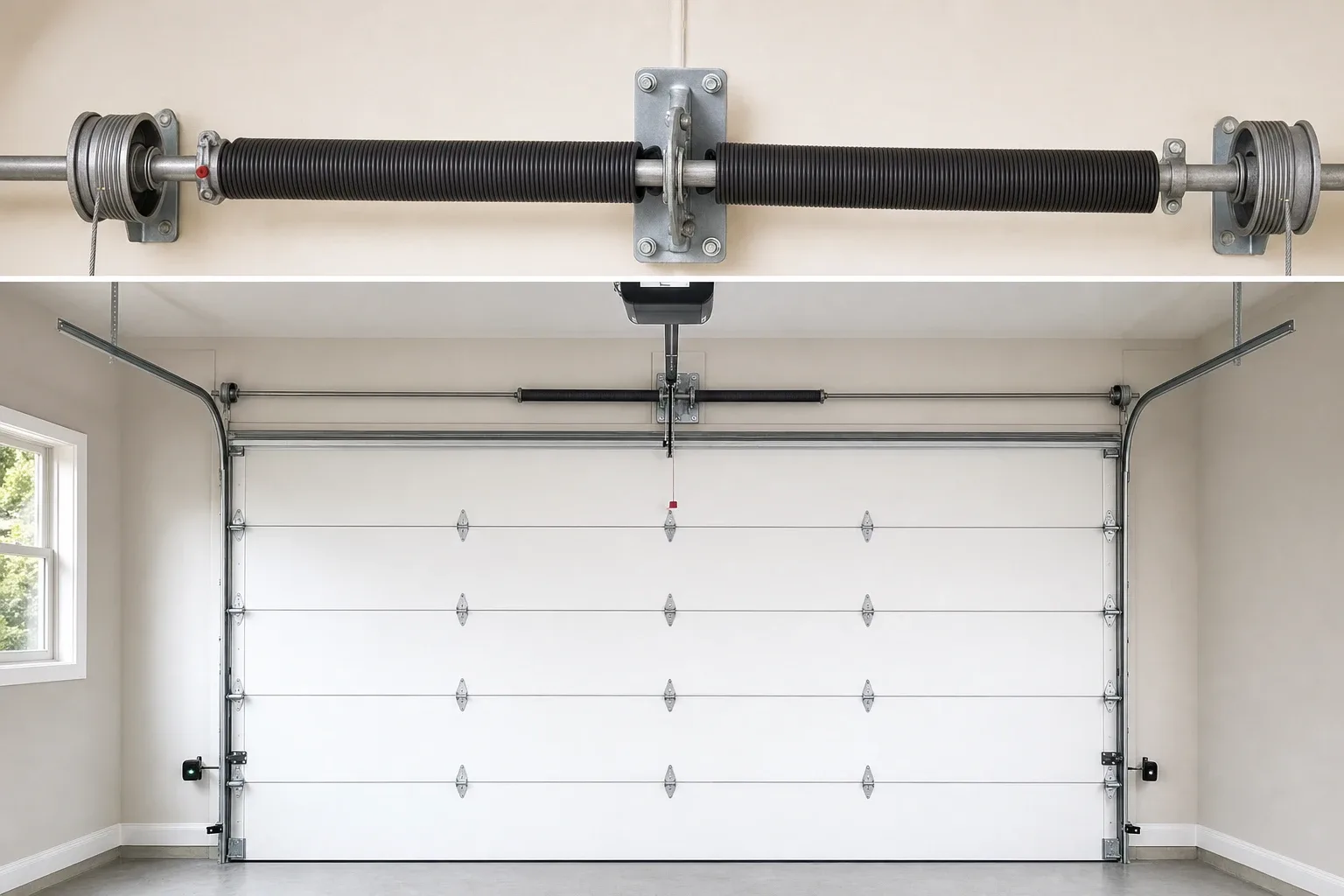
Illustrative image Spring Repair
Torsion springs in Kentucky work through a full cycle of summer heat and winter cold every year, and that thermal cycling is a common reason a spring that looked fine in October can fail on a cold January morning. Spring adjustment and replacement should always be left to a professional.
Spring Repair details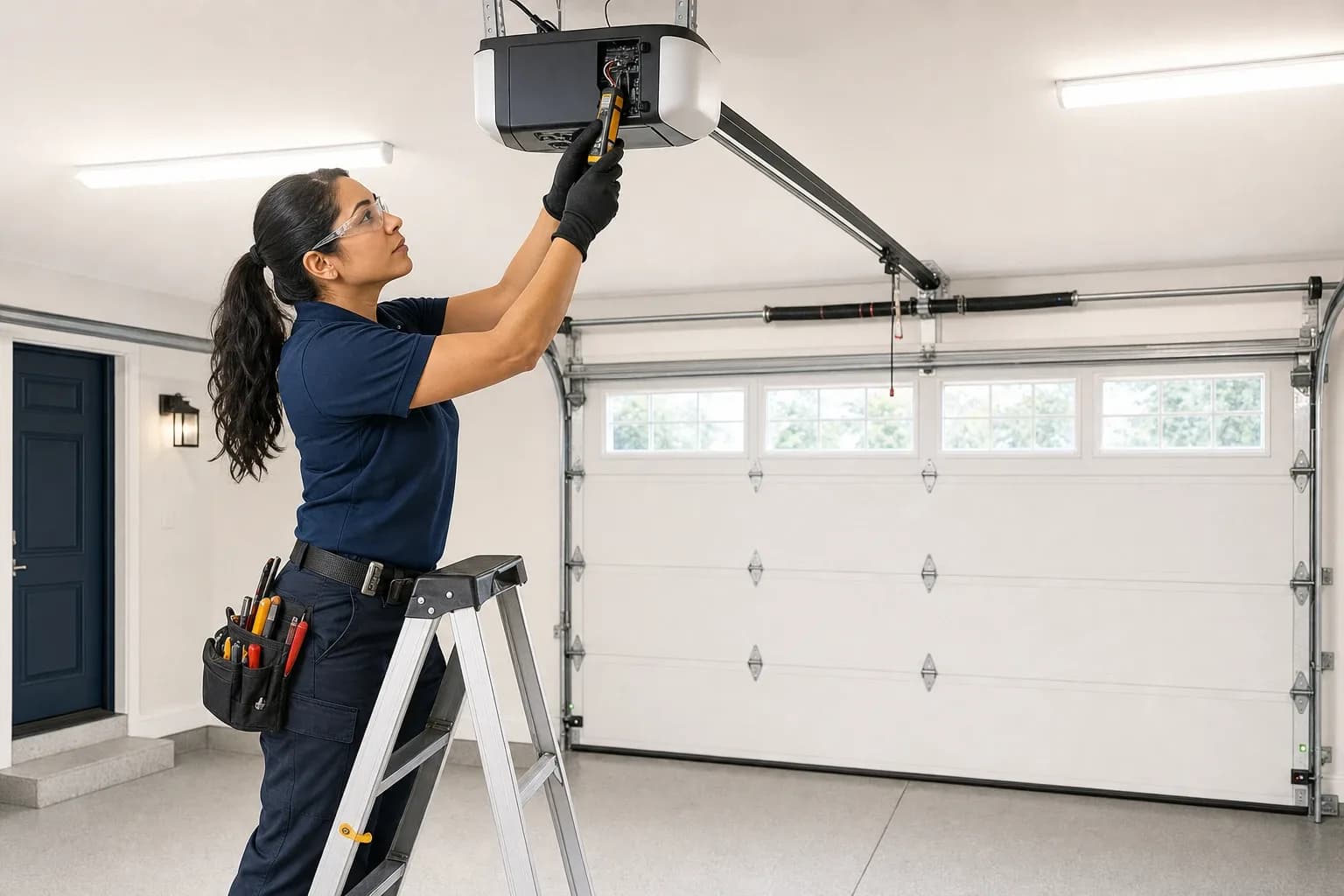
Illustrative image Opener Repair
Power surges and brief outages during Kentucky thunderstorms and winter ice events are a frequent reason an opener loses its programming or its circuit board is damaged, showing up as a unit that suddenly stops responding to a remote.
Opener Repair details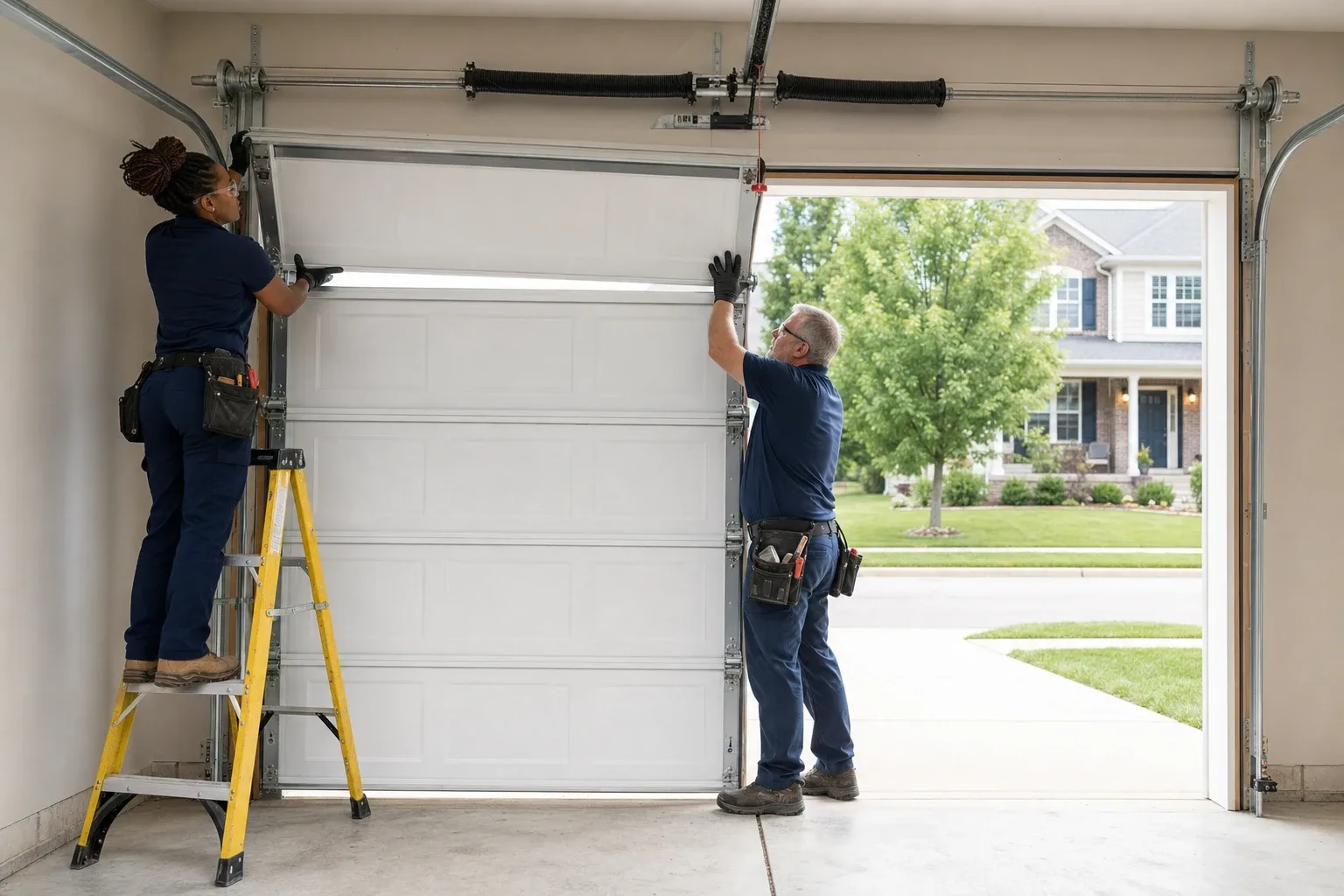
Illustrative image Replacement
Replacing a door in Kentucky's older neighborhoods often means matching a non-standard opening size or an alley-facing detached garage, while suburban replacements are usually a straightforward swap to a similarly sized two-car opening.
Replacement detailsIllustrative image Installation
New installations in Kentucky range from narrow single-car openings on century-old Louisville and Lexington lots to standard-width openings in newer subdivisions, so confirming the actual opening size matters before ordering a door.
Installation details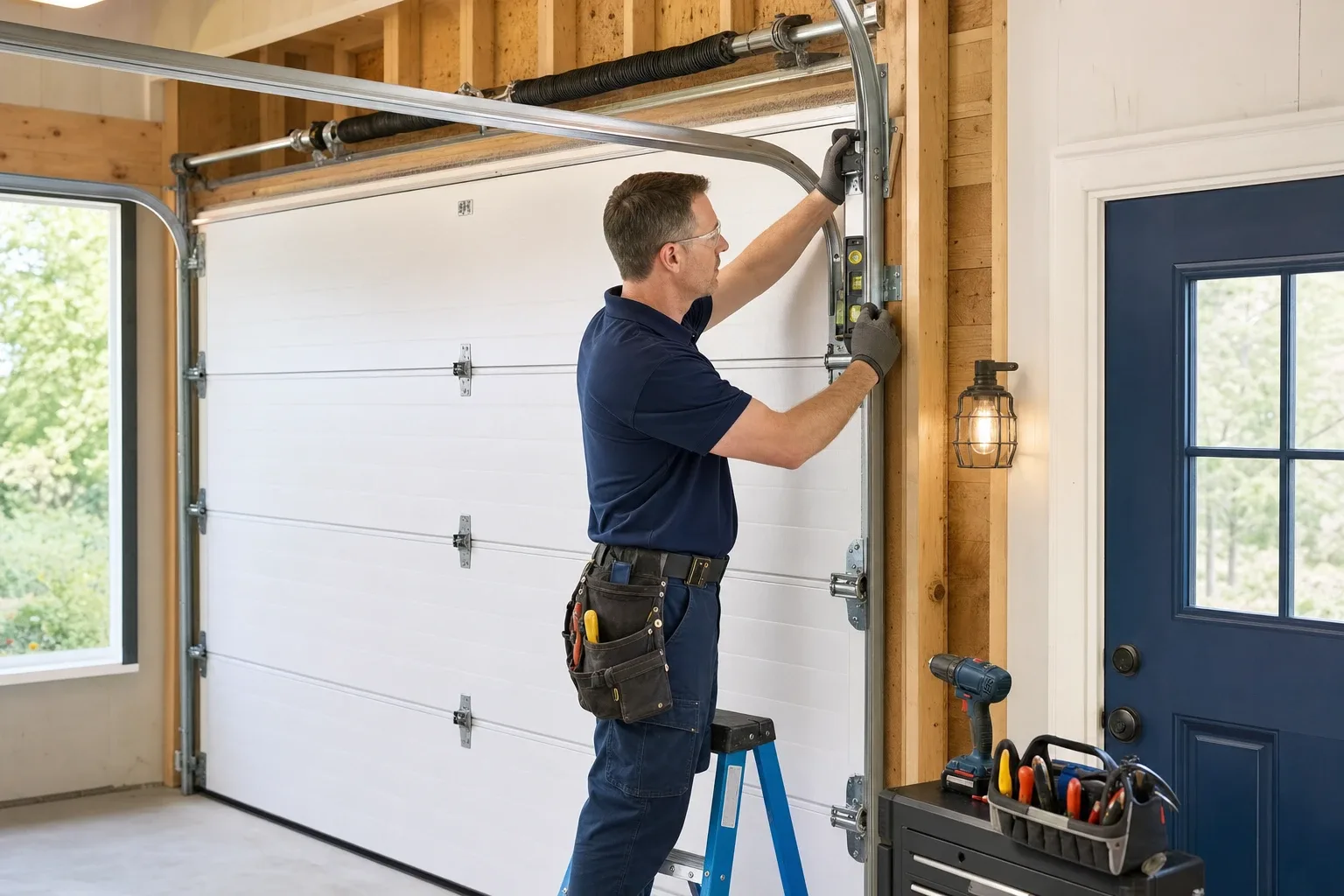
Illustrative image Off-Track Repair
A door jumping its track in Kentucky is often tied to a bent track from age or impact, or in some areas to a garage floor that has settled unevenly on limestone terrain, which can throw the door slightly out of square over time.
Off-Track Repair details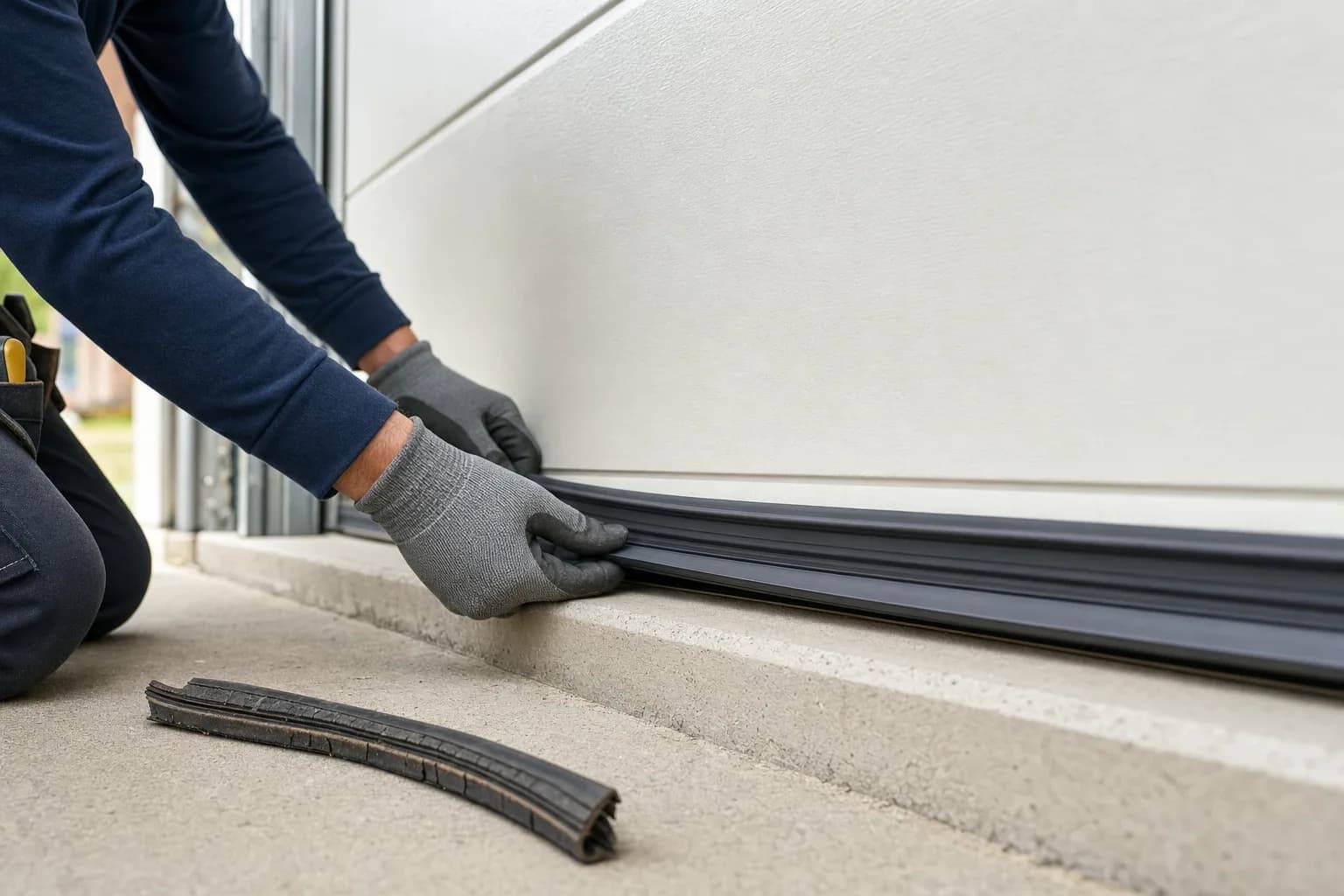
Illustrative image Weather Sealing
Fresh bottom seals and weatherstripping matter in Kentucky because a worn seal lets in both summer humidity and the freezing rain that can glaze over a driveway apron during an ice storm.
Weather Sealing details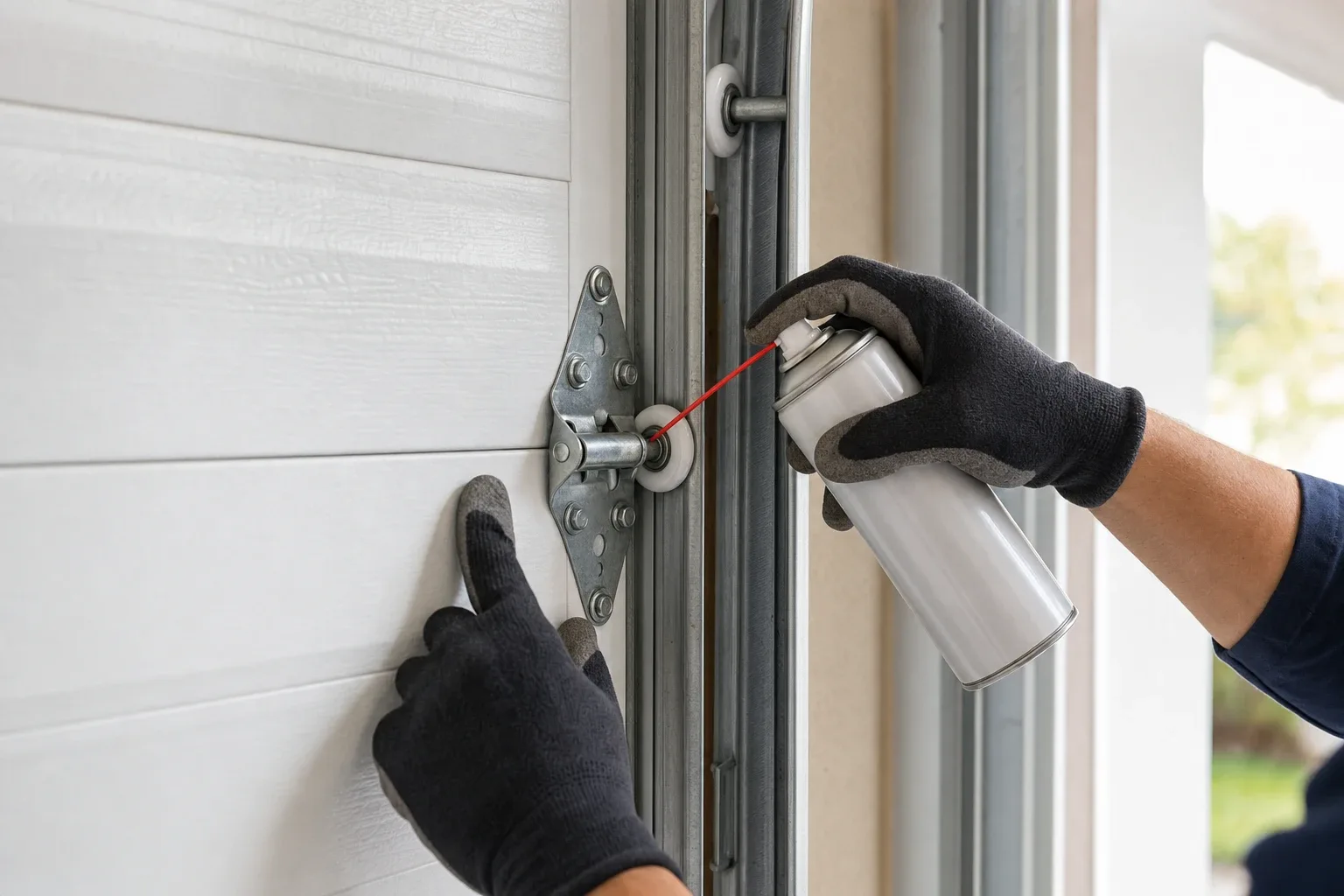
Illustrative image Maintenance
A tune-up before Kentucky's first hard freeze — checking lubrication, hardware, and weatherstripping — helps parts that have been working through a humid summer hold up through the ice-storm season that follows.
Maintenance details
Built for Kentucky
What local conditions mean for your door
- 01
Ohio Valley Winters and Ice Storms
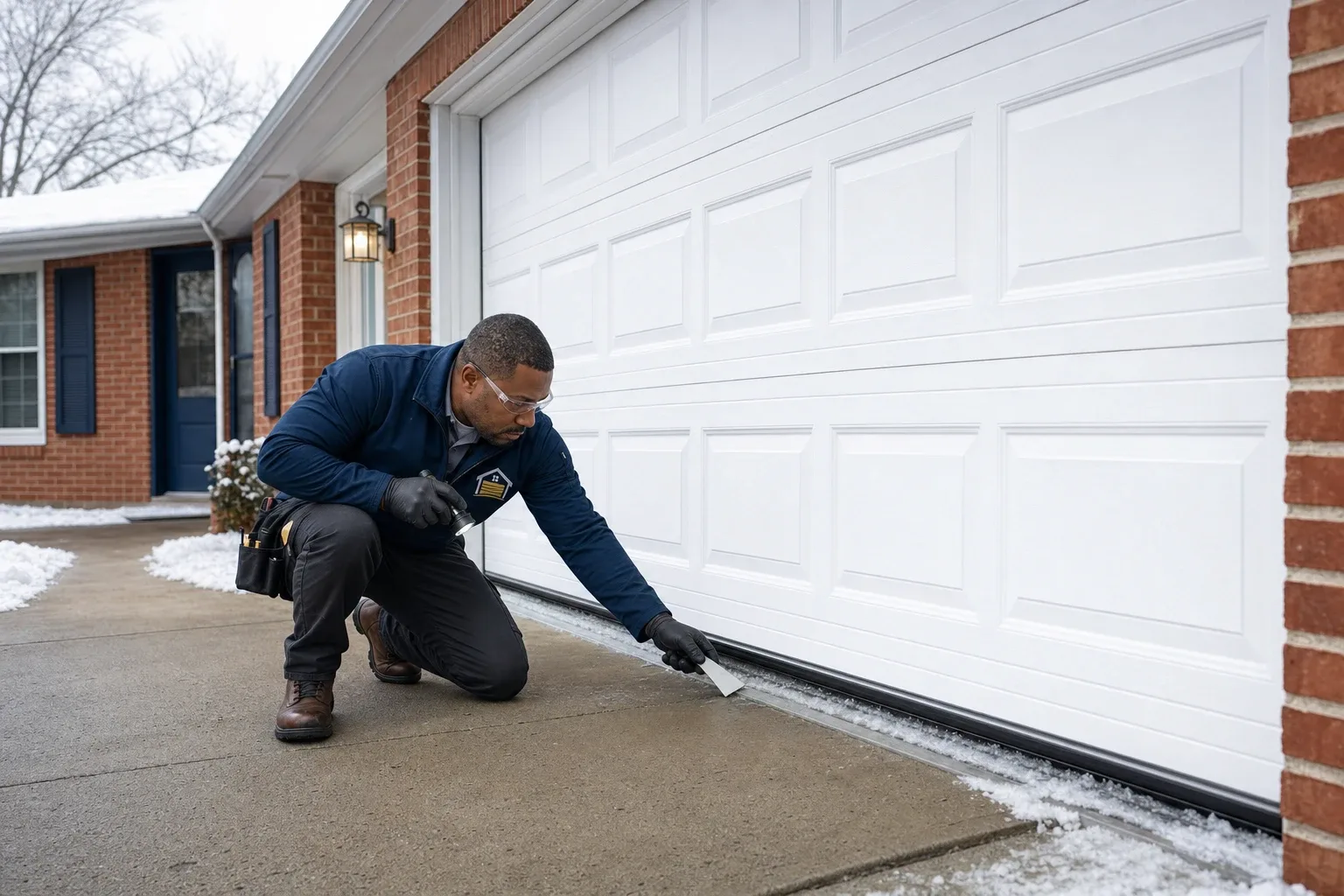
Kentucky and the wider Ohio Valley regularly see ice storms as part of normal winter weather, alongside heavy snow and stretches of bitter cold. A thin coat of freezing rain can bridge a door's bottom seal to the concrete floor, and repeated freeze-thaw cycling through the season is a common reason a spring that seemed fine in the fall loses tension by late winter.
- 02
Humid Summers and Hardware Wear
Kentucky's summer humidity doesn't just make the air feel heavier — it speeds up surface rust on hinges, roller stems, and spring coils over several years, especially on hardware that hasn't been lubricated recently. It's a slow process, so it's easy to miss until a door starts sounding noisier or moving less smoothly than it used to.
- 03
Older Single-Car and Detached Garages
Many pre-1960s neighborhoods in Louisville, Lexington, and other older Kentucky cities were built with narrow single-car garages, and some are detached structures facing an alley rather than the street. Replacing a door on one of these openings often calls for a custom or near-custom width instead of a standard modern size.
- 04
Bluegrass Horse-Country Outbuildings
Central Kentucky's equestrian properties often include large barns and equipment buildings with oversized carriage-style doors that operate differently from a typical home garage door. These buildings can need service too, but they're worth mentioning specifically when requesting it, since the hardware and sizing aren't the same as a house.
- 05
Karst Ground and Older Foundations
Parts of south-central and western Kentucky sit on limestone karst terrain, where the ground can settle unevenly in slow, small increments over many years. On an older home, that kind of gradual movement is sometimes the real reason a garage door has started binding, dragging on the floor, or refusing to sit flush when closed.
Cities
Kentucky cities
Local pages for the cities our technicians serve, and what matters for doors in each one.
- LouisvilleJefferson County · Louisville/Jefferson County
- LexingtonFayette County · Lexington-Fayette
- Bowling GreenWarren County · Bowling Green
- OwensboroDaviess County · Owensboro
- CovingtonKenton County · Cincinnati
- RichmondMadison County · Richmond-Berea
- ElizabethtownHardin County · Elizabethtown-Fort Knox
Local guides
Kentucky garage door guides
How it works
What happens after you ask for help
- 1
Request
Tell us what the door is doing and your ZIP code. The form takes about a minute.
- 2
Confirm
We review the request and contact you to confirm details and timing before anything is scheduled.
- 3
Diagnose
A technician inspects springs, cables, rollers, tracks and the opener, then explains what is wrong and your options.
- 4
Fix or install
The agreed repair or new door is completed, then the balance and the opener's safety reverse are checked.
Answers
Kentucky garage door questions
Does Kentucky's freeze-thaw weather affect garage door springs?
Yes. Repeated cycles of summer heat and winter cold gradually change how much tension a torsion spring holds, and a spring that seemed fine in the fall can fail on a cold morning after an especially deep freeze.
Why are garage doors on older Louisville and Lexington homes so narrow?
Many pre-war neighborhoods were built with single-car garages sized for cars of that era, so a replacement door for one of these openings is often a custom or near-custom width rather than a standard modern size.
Can an ice storm damage my garage door opener or sensors?
A power surge or outage during an ice storm can reset or damage an opener's circuit board, and ice buildup on the sensor lenses can block the safety beam until it's cleared, so both are worth checking after a bad storm.
Do Kentucky's humid summers cause garage door rust?
Humidity speeds up surface rust on hinges, rollers, and spring coils over several years, especially on hardware that hasn't been lubricated recently, though it typically shows up gradually rather than overnight.
My garage floor seems to be sinking on one side — is that a Kentucky thing?
Some parts of south-central and western Kentucky sit on limestone terrain where the ground can settle unevenly over time, and a door that suddenly binds or won't sit flush is sometimes traced back to that kind of gradual foundation movement.
Do horse farms and rural Kentucky properties need different garage door service?
Large equestrian properties in the Bluegrass region often have oversized carriage doors on barns or equipment buildings that use different hardware and sizing than a standard home garage, so it helps to mention the building type when requesting service.
Kentucky Garage Pros
Request service in Kentucky
Send the details in two quick steps. This isn't a booking — we contact you to confirm the problem, the timing and the location first.