
Kentucky Garage Pros
Garage Door Repair in Kentucky
Kentucky's swing between humid summers and icy winters puts extra strain on garage door hardware, so repair calls here often trace back to worn rollers, a stretched cable, or a spring that has gradually lost tension rather than one dramatic failure.
Repair · Kentucky
Repair for Kentucky homes
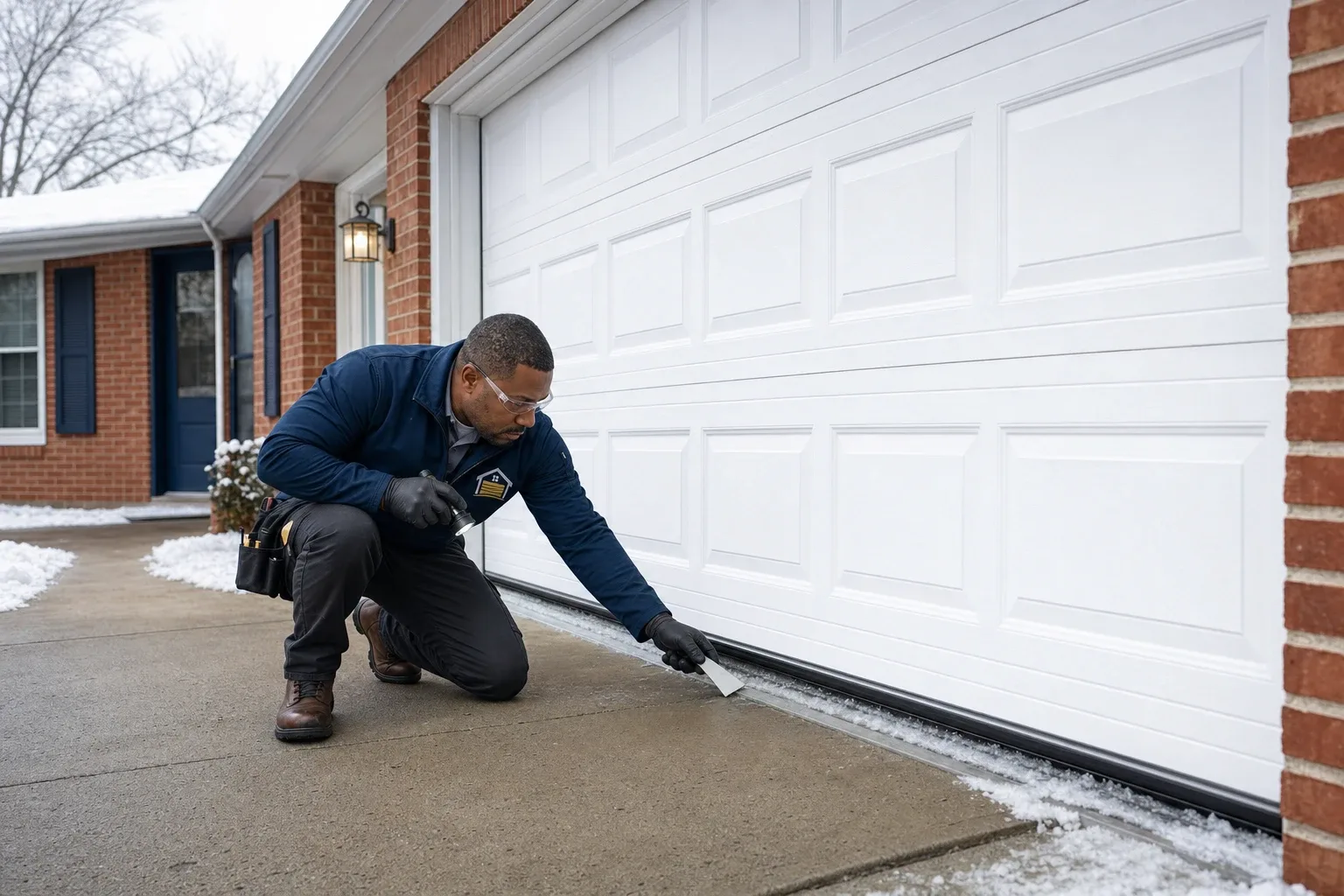
Most repair calls across Kentucky don't start with a sudden breakdown. They start with a door that's gotten a little louder, a little slower, or a little harder to close than it was a season ago. That gradual pattern fits the state's weather: hardware spends months absorbing humidity in Louisville and Lexington summers, then goes through repeated freeze-thaw cycling once an Ohio Valley winter sets in, and each swing quietly loosens tolerances that were fine the year before.
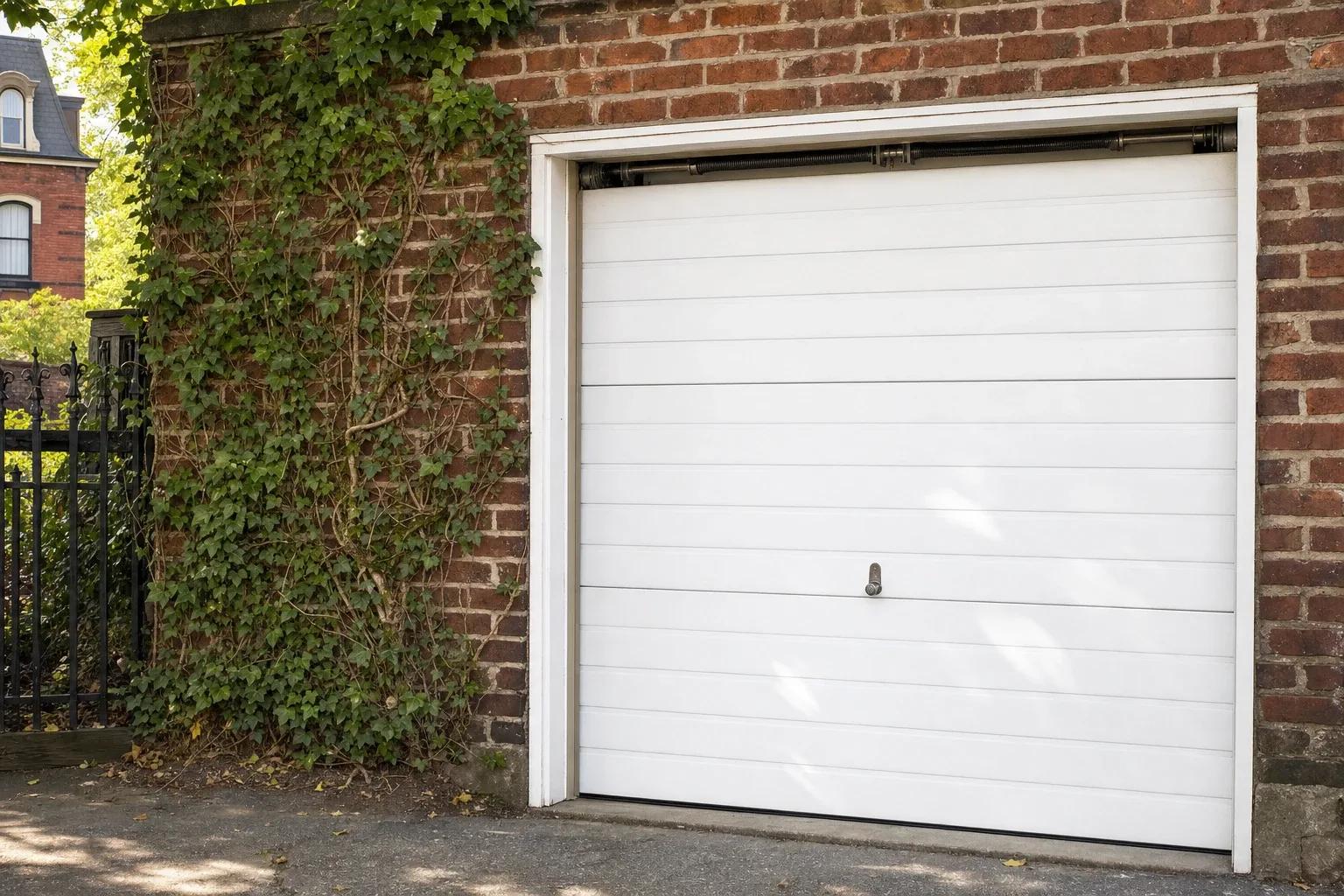
Where in Kentucky a door sits changes what a repair technician looks for first. In the state's older urban cores, pre-war Louisville neighborhoods, parts of Lexington, and the hillside river towns of northern Kentucky, narrow openings and original hardware mean a repair sometimes has to work around a non-standard size. Out toward the flatter ranch-home subdivisions of western Kentucky, or the newer growth around Bowling Green, standard parts usually fit without complication.
Kentucky
What's different in Kentucky
- 01
What Kentucky Weather Tends to Wear Out First
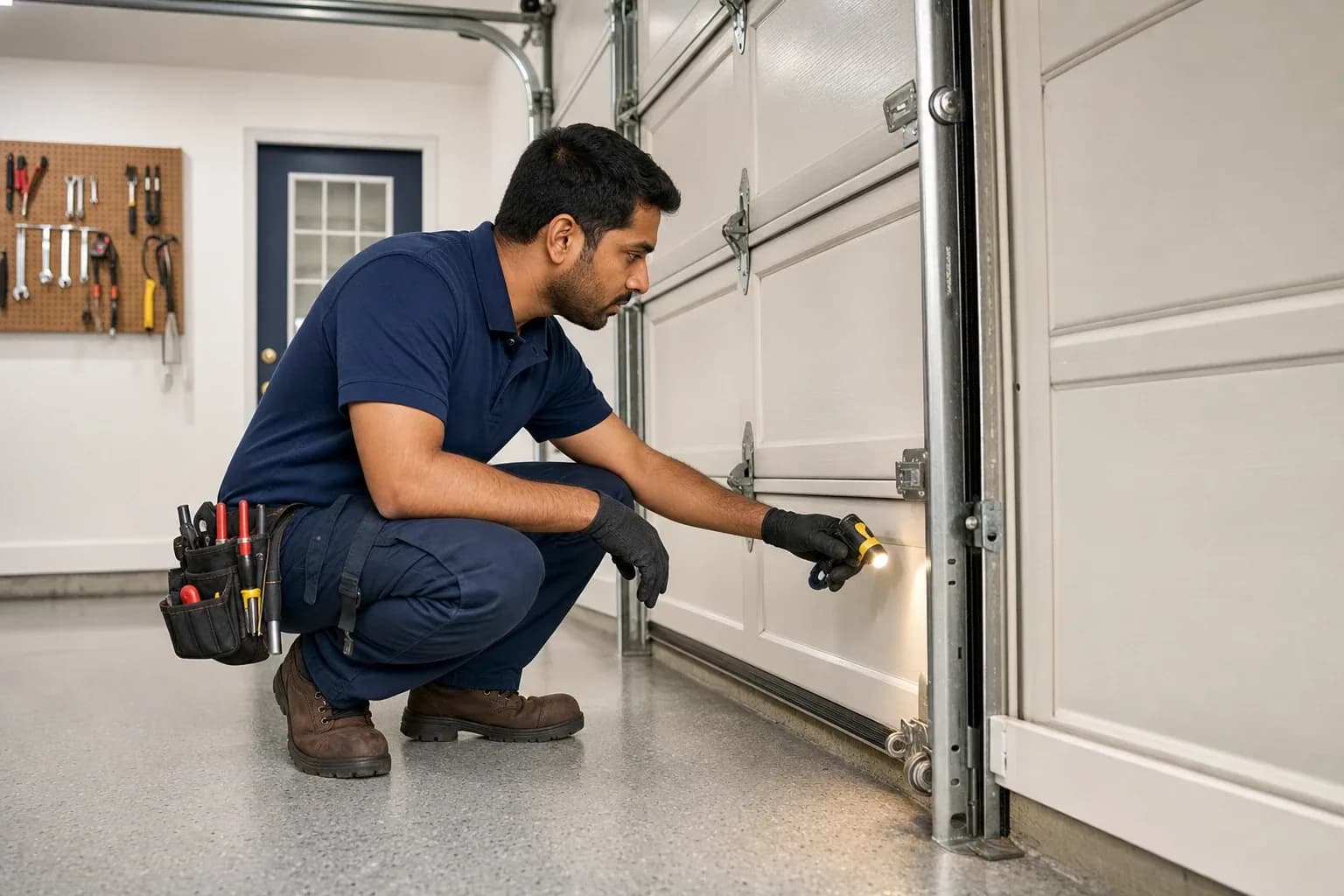
Rollers, hinges, and spring coils typically show wear before the door's structure does, since those are the parts absorbing repeated humidity and cold. A technician checking a Kentucky garage door usually starts there rather than assuming a bigger problem.
- 02
Karst Terrain Can Complicate a Simple Fix
In parts of south-central and western Kentucky, slow ground settling on limestone terrain can throw an opening slightly out of square, so a repair that looks routine elsewhere sometimes needs an alignment check first.
- 03
Older Hardware May Need Matching, Not Just Fixing
A door in one of Kentucky's older single-car garages may use hardware sized differently than what's sold as a modern standard part, so a repair can take a little longer to source the right fit.
Know the signs
When you need repair
Common symptoms
- Door is noisy, grinding, or squeaks during operation
- Door moves unevenly, jerks, or hesitates partway through a cycle
- Door feels heavy or won't stay in place when disconnected from the opener
- Remote or wall control works inconsistently
- Door reverses unexpectedly or won't fully close
What the service covers
- On-site inspection of springs, cables, tracks, rollers, and hinges
- Diagnosis of the specific part or adjustment causing the symptom
- Repair or replacement of the identified worn or damaged component
- Post-repair test of balance, travel, and auto-reverse function
The process
How the work is done
- 1
Diagnose the symptom
A technician reviews how the door has been behaving and observes a full open-close cycle to see where in the travel the problem shows up.
- 2
Inspect the hardware
Springs, cables, tracks, rollers, hinges, and the opener are checked in sequence to isolate which part is out of adjustment, worn, or damaged.
- 3
Repair the affected part
The specific component causing the issue is adjusted, lubricated, or replaced, rather than swapping parts that are already working correctly.
- 4
Confirm the fix
The door is cycled again to confirm smooth, even travel, correct balance, and that the auto-reverse safety feature responds properly.
Cost factors
What affects the price
Prices aren't published because they depend on your door, the parts involved and the access to the work. These are the things that move the cost — ask for the price before any work starts.
- Which part is affected
- A worn roller or misaligned track takes less time and material to correct than a broken spring or a damaged cable and drum.
- Door size and weight
- Single and double doors put different loads on springs and hardware, which affects the parts and time involved.
- Age and condition of remaining hardware
- An older door may need more than one worn part addressed in the same visit.
- Access and mounting details
- Ceiling height, existing bracket condition, and how the opener and track are mounted can add time to a repair.
Safety first
- Never attempt to adjust, wind, or remove a torsion or extension spring — it stores enough energy to cause serious injury.
- Keep hands, fingers, and clothing away from moving tracks, rollers, and hinge points while the door is in motion.
- Disconnect the opener and support the door before inspecting it manually, and never work under a door that isn't secured open.
Safe things to check first
- Watch a full open-and-close cycle from a safe distance and note exactly where the door hesitates, jerks, or makes noise.
- Listen for grinding, popping, or scraping sounds and note which side of the door they come from.
- With the opener disconnected, look at the tracks for visible gaps, bends, or loose brackets without touching them.
Local pages
Repair by city
Answers
Repair questions in Kentucky
Why does my Kentucky garage door get noisier every winter?
Cold snaps after a humid Kentucky summer often reveal wear that built up gradually, so hardware that was fine in October can start sounding rough once freeze-thaw cycling sets in.
Do older Louisville and Lexington homes need special repair parts?
Some do. Pre-war single-car garages were often built to different dimensions than today's standard, so a repair on one of these openings sometimes calls for a custom-fit part rather than an off-the-shelf one.
Related
Related services
Kentucky Garage Pros
Request service
Send the details in two quick steps. This isn't a booking — we contact you to confirm the problem, the timing and the location first.
Sources
- Government and Industry Move To Reduce Garage Door Opener Child-Entrapment Deaths — U.S. Consumer Product Safety Commission (accessed 2026-09-24)
- Technical Data Sheets — Door & Access Systems Manufacturers Association (DASMA) (accessed 2026-09-24)