
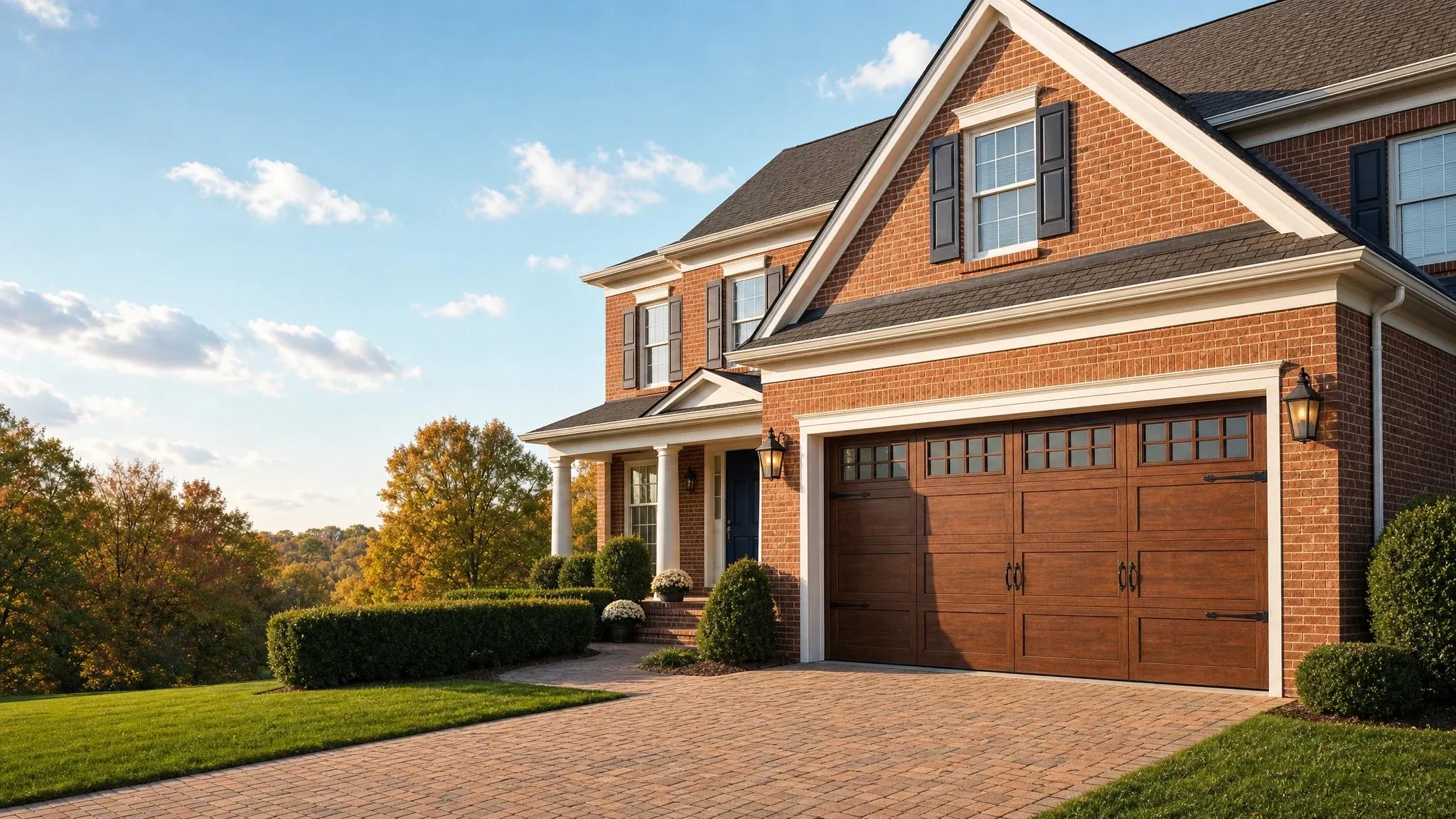
Garage Doors. A Stronger North Carolina.
Garage Door Repair & Installation in North Carolina
From Outer Banks wind zones to Blue Ridge winters, North Carolina Garage Pros covers repair, installation, and replacement statewide.
- Repairs for springs, openers, cables, rollers and tracks
- New door selection, replacement and installation
- Advice written for North Carolina homes and weather
Request Service
North Carolina Garage Pros — tell us what's happening.
North Carolina Garage Pros
Garage door information for North Carolina homes
North Carolina runs from Atlantic beaches to the Blue Ridge Mountains, and garage doors here deal with a correspondingly wide range of conditions: humid Piedmont summers, hurricane-exposed coastal counties, and cold mountain winters around Asheville, all reachable within a single drive across the state.
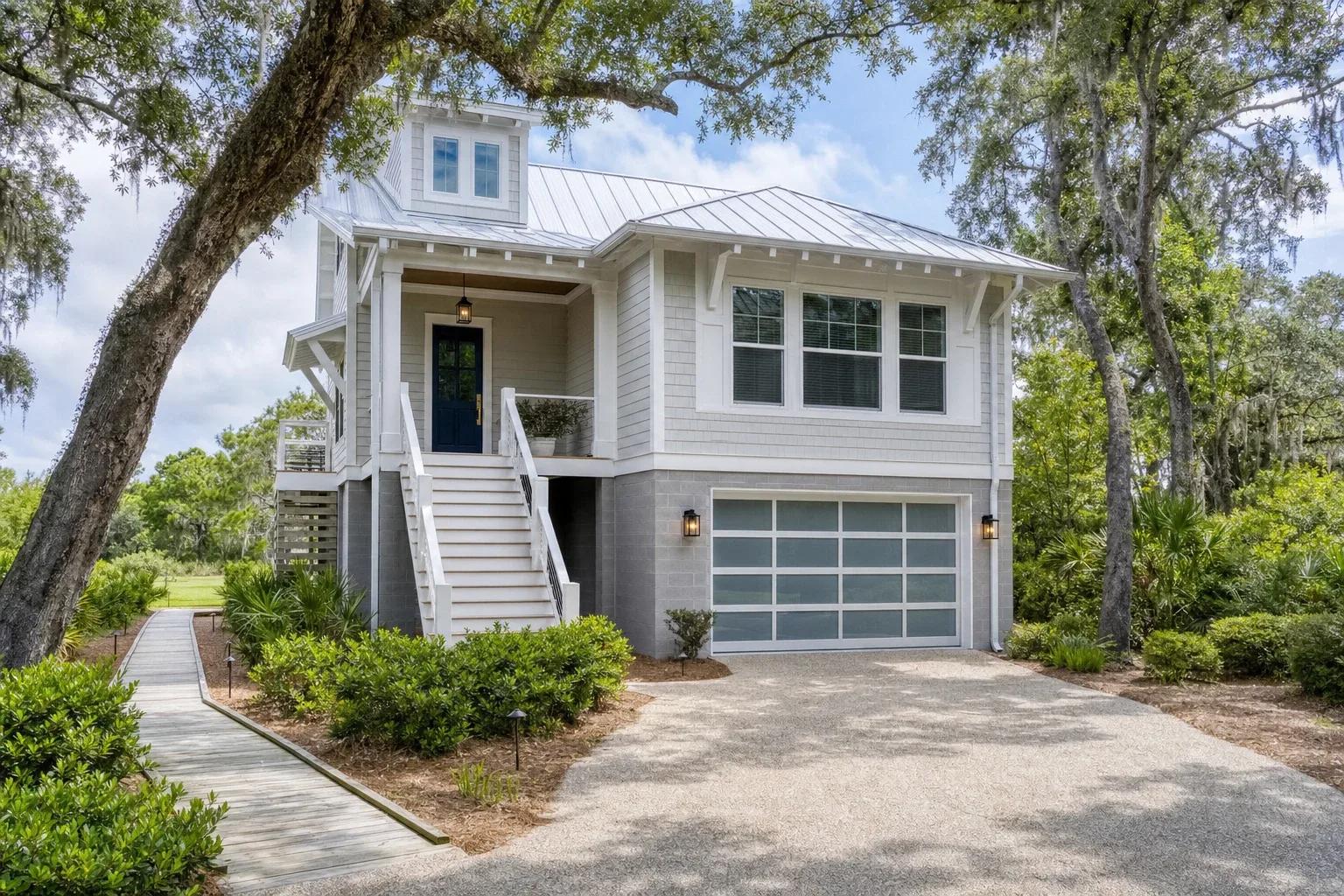
Piedmont metro suburbs around Charlotte, Raleigh, Durham, Greensboro, and Winston-Salem are dominated by attached two-car garages on brick or vinyl-sided homes built from the 1980s onward. Older mill towns and historic districts across the Piedmont and mountains have more detached single garages, often added years after the house itself, and coastal homes are more likely to sit raised on pilings or a masonry base, with storage or parking space tucked underneath rather than a conventional ground-level garage.
Climate is the biggest factor day to day. Humid subtropical summers across most of the state accelerate hardware corrosion and put moisture into wood doors, coastal counties carry building-code wind requirements tied to hurricane risk, and the western mountains around Asheville get real winter weather — occasional snow and hard freezes that are rare anywhere else in the state.
- Piedmont Crescent (Charlotte–Raleigh–Durham–Greensboro–Winston-Salem)
- The state's population core: humid summers, red clay soil, and mostly attached two-car garages on newer suburban homes.
- Sandhills (Fayetteville area)
- Sandy soil and hot, humid summers, with a mix of ranch-style homes and military-community housing.
- Coastal Plain & Outer Banks (Wilmington–Outer Banks)
- Hurricane exposure and coastal high-wind building code zones, with homes often raised on pilings or a masonry base.
- Blue Ridge Mountains (Asheville area)
- Higher elevation with real winter weather, steep driveways, and older craftsman-style detached garages.
Every request is reviewed before anything is scheduled.
Services
North Carolina garage door services
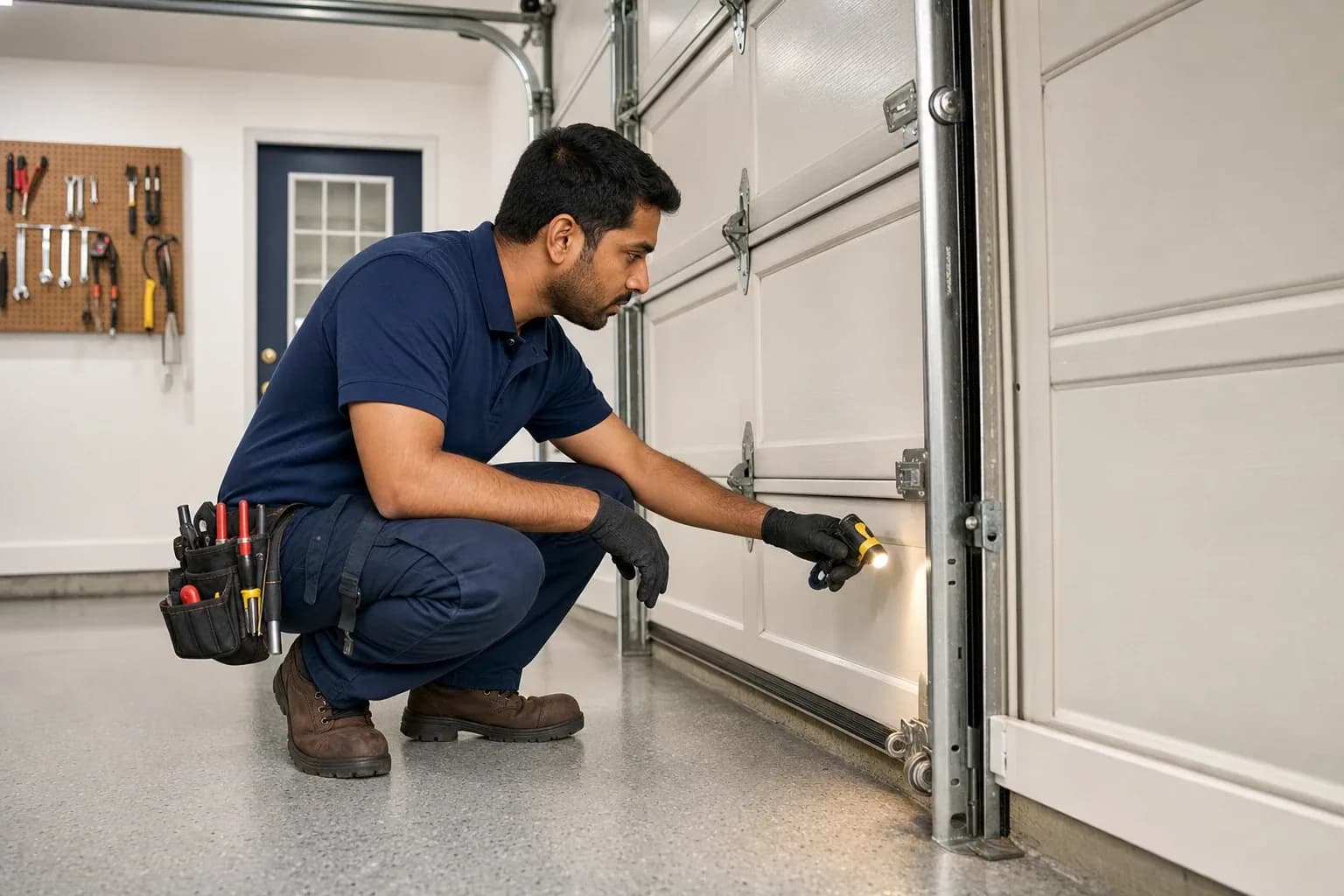
Illustrative image Repair
North Carolina's humid summers and, on the coast, salt air both accelerate wear on hardware, so repairs here often involve corrosion or a moisture-swollen wood door as much as ordinary mechanical wear.
Repair details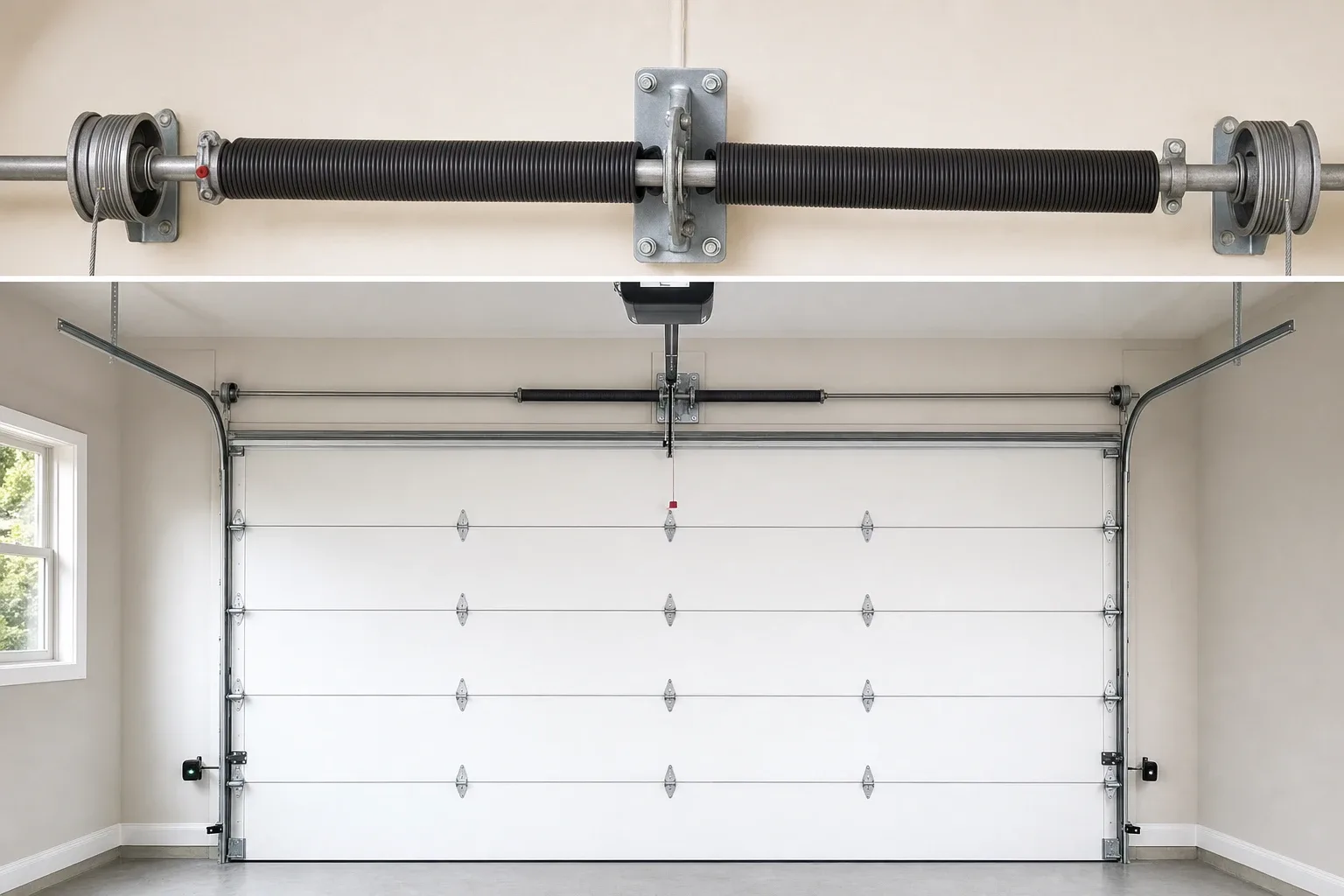
Illustrative image Spring Repair
Springs sized for the Piedmont's normally mild winters can be pushed harder by an occasional ice storm or a western mountain freeze, but spring tension work should always go to a professional, never a homeowner project.
Spring Repair details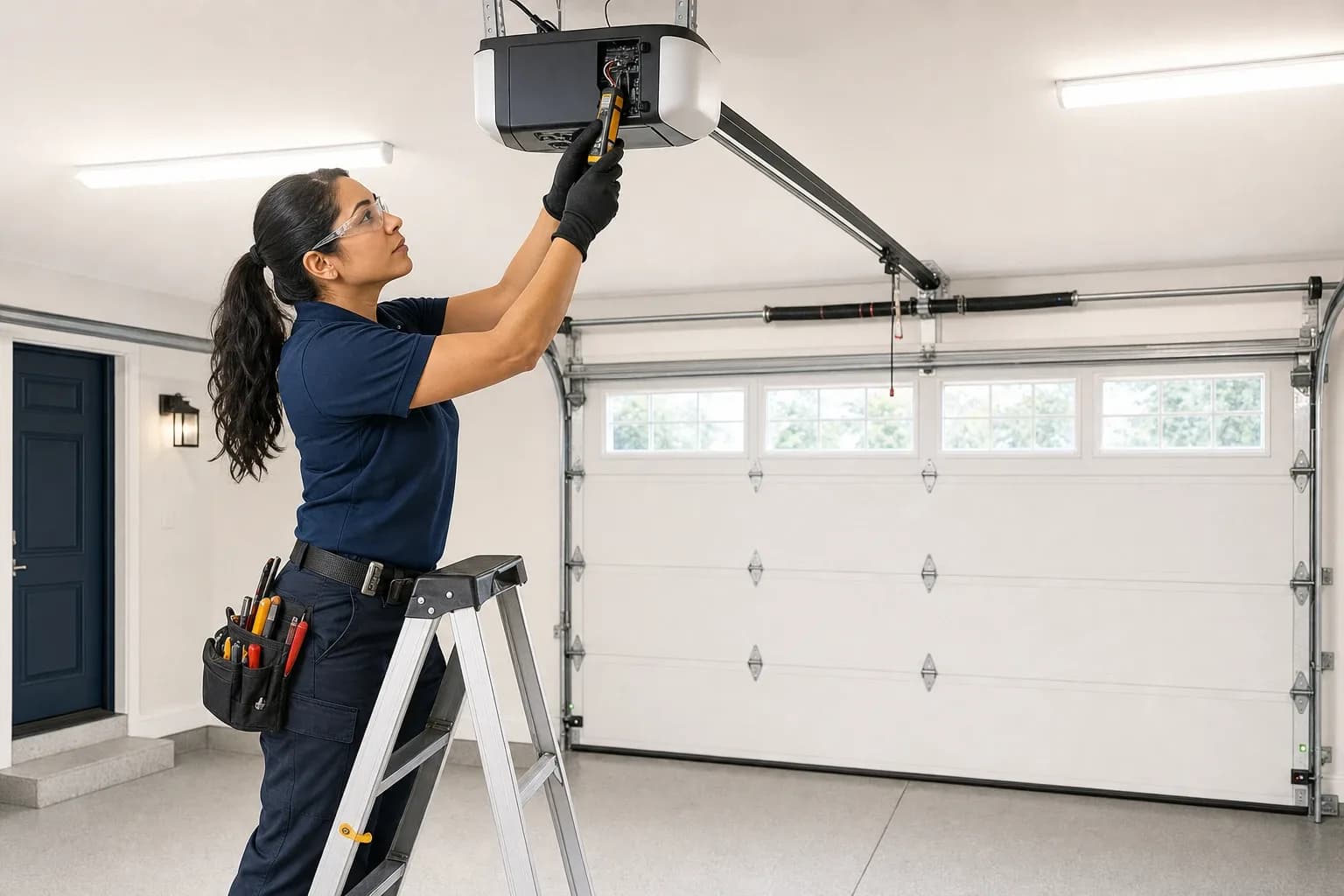
Illustrative image Opener Repair
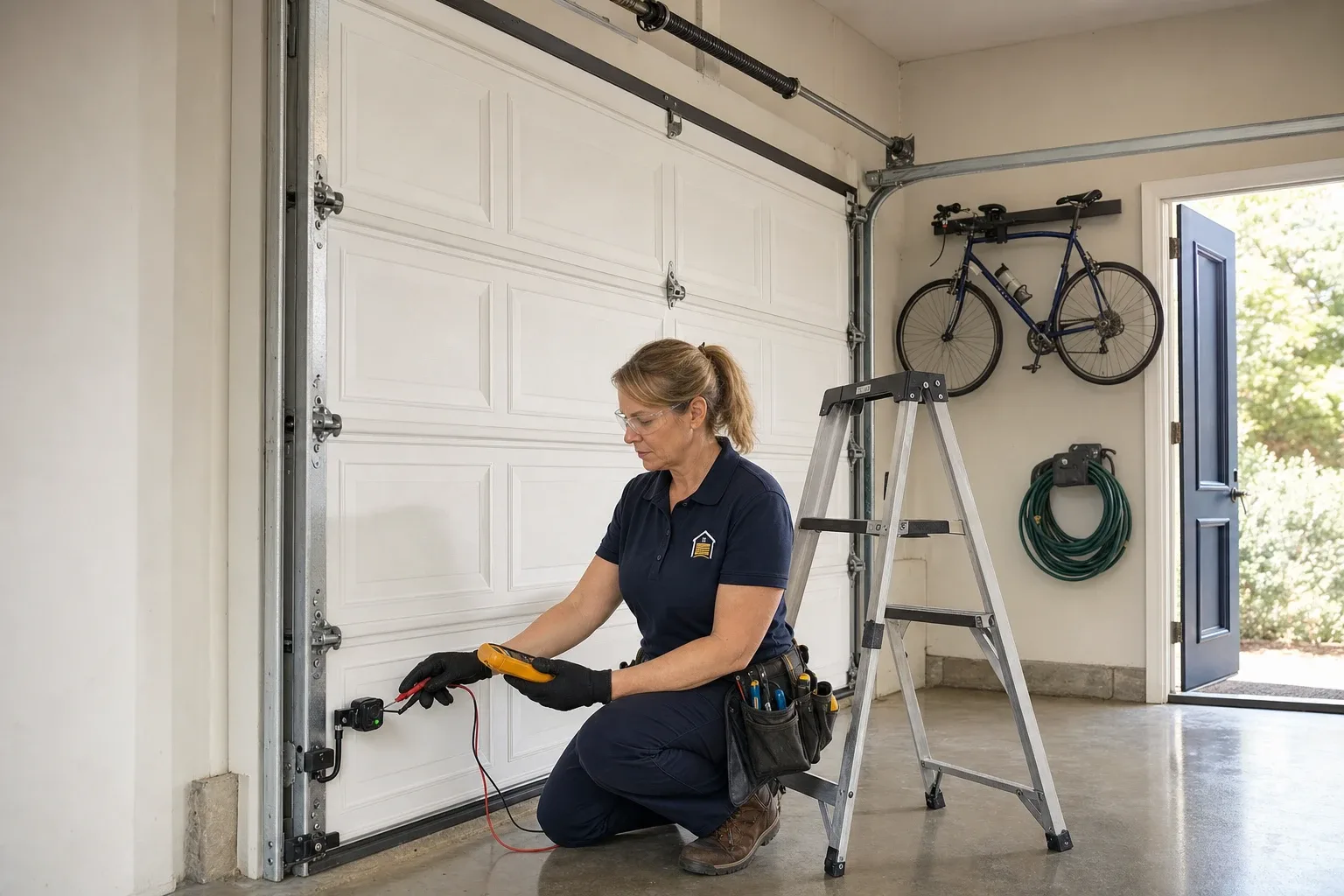
Summer humidity and, along the coast, salt air both affect opener circuit boards and photo-eye sensors in North Carolina, so a repair visit often starts by checking those components for moisture or corrosion.
Opener Repair details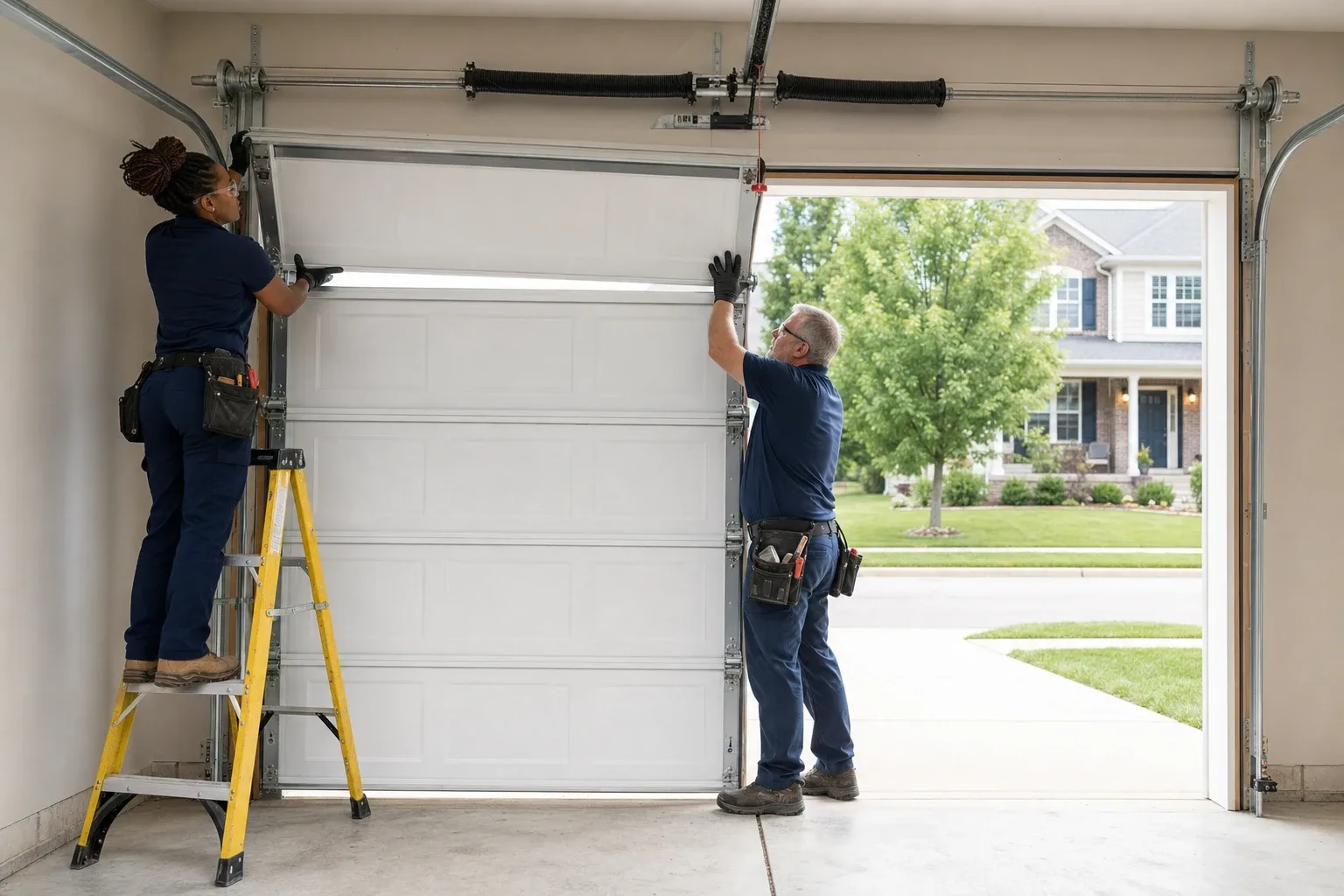
Illustrative image Replacement
Replacing a garage door in North Carolina is a good time to move to corrosion-resistant hardware on the coast, or a wind-rated door where the state's coastal building code requires one.
Replacement detailsIllustrative image Installation
A new door in North Carolina needs to suit its part of the state, from a wind-rated option required in coastal high-wind zones to better insulation for the occasional hard freeze in the western mountains.
Installation details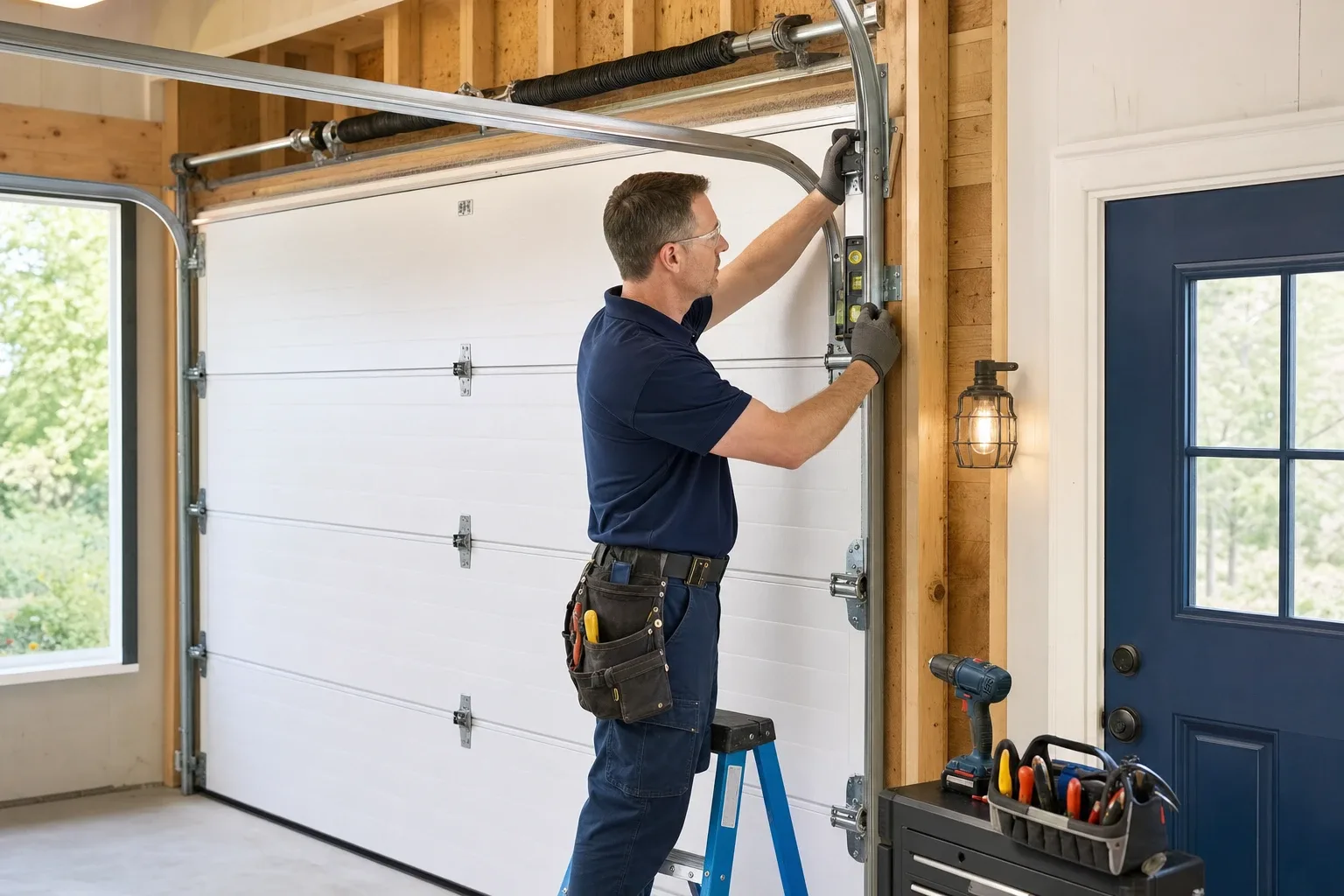
Illustrative image Off-Track Repair
North Carolina's red clay soils in the Piedmont can shift a slab enough over time to pull a track slightly out of alignment, a common cause of off-track doors in that part of the state.
Off-Track Repair details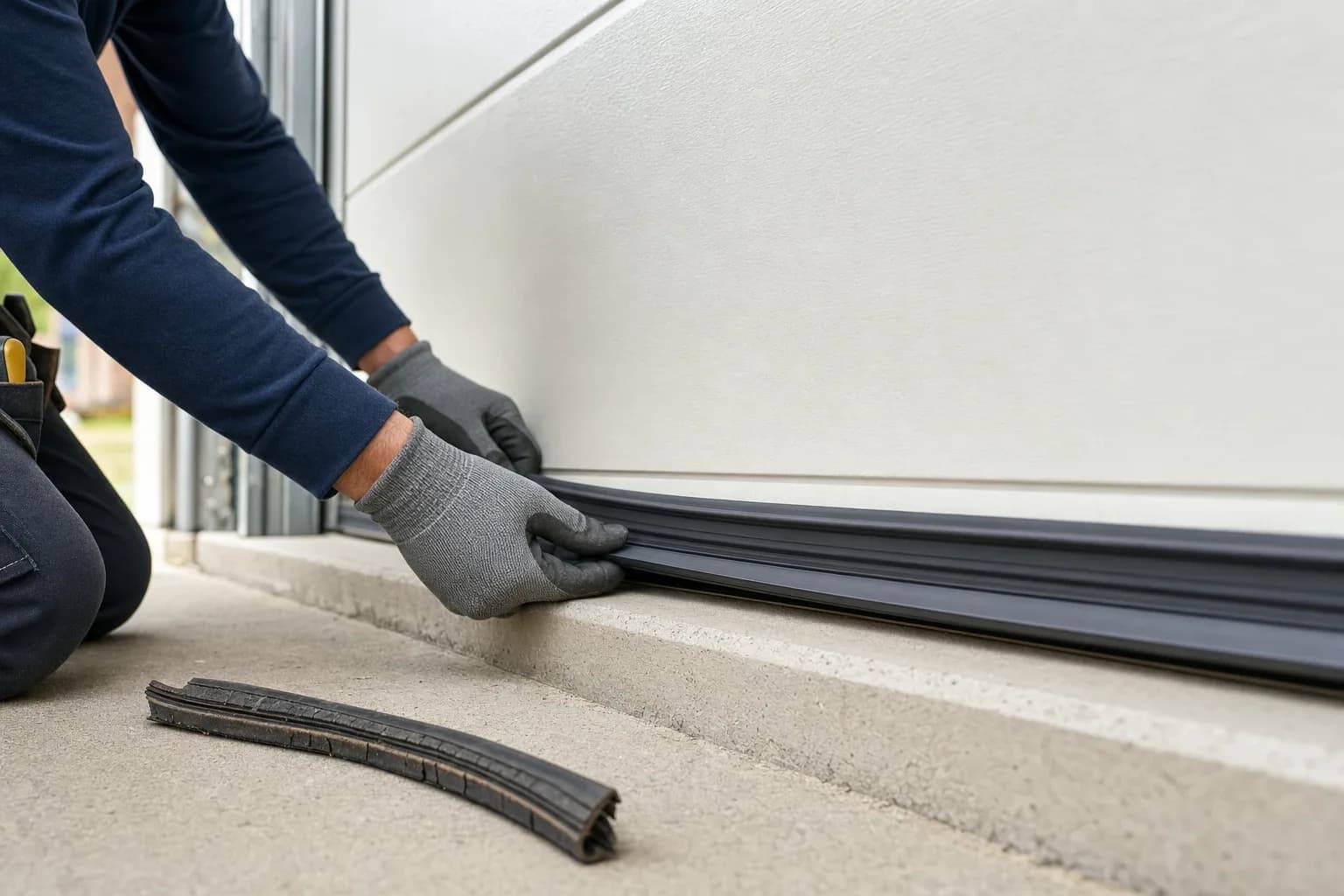
Illustrative image Weather Sealing
Weather sealing helps keep out wind-driven rain from tropical systems on the coast and blocks drafts during winter cold snaps in the Piedmont and mountains alike.
Weather Sealing details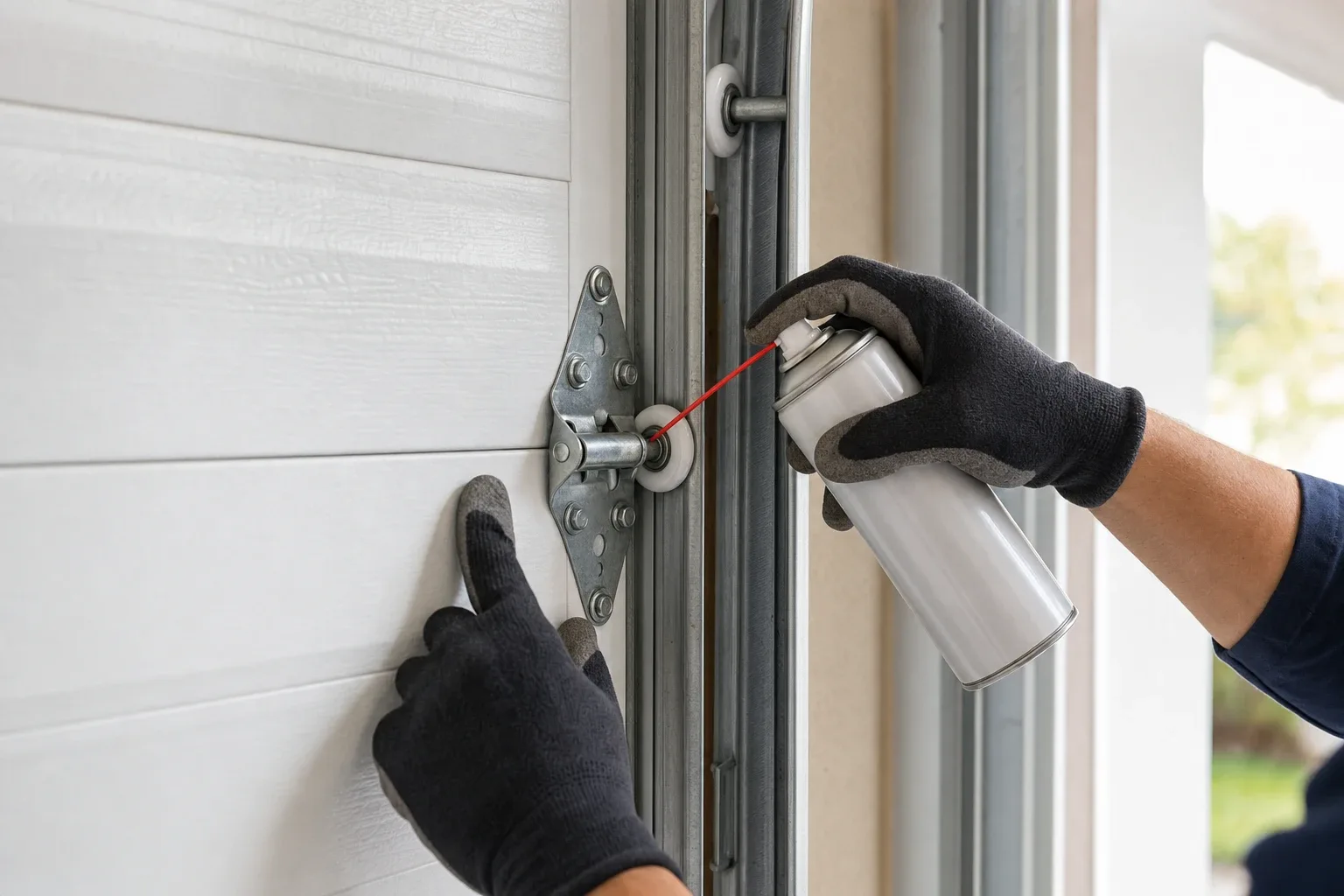
Illustrative image Maintenance
Regular maintenance in North Carolina should account for humidity-driven hardware corrosion statewide and, along the coast, extra attention to salt-air buildup on tracks and springs.
Maintenance details
Built for North Carolina
What local conditions mean for your door
- 01
Humid Subtropical Summers
Most of North Carolina, from the Piedmont to the coast, sees long, humid summers that keep moisture in the air for months at a time. That humidity speeds up corrosion on unprotected hardware and can cause a wood garage door to swell slightly, sometimes making it stick at the jamb until conditions dry out.
- 02
Hurricane Wind Exposure and Coastal Building Code
North Carolina's coastal counties, including the Outer Banks, are assigned some of the highest design wind speeds in the state's building code, in places up to 150 mph. Garage doors sold for these high-wind zones must be tested and rated to resist specific wind pressures rather than the single generic rating used across most of the state.
- 03
Salt Air Along the Coast
Homes within a few miles of the Atlantic see faster corrosion on springs, cables, and track hardware than homes further inland, since salt-laden air settles on exposed metal and, combined with coastal humidity, speeds up oxidation.
- 04
Mountain Winters in the West
The Blue Ridge Mountains around Asheville get genuine winter weather that's rare elsewhere in North Carolina, including occasional snow and hard freezes. That cold can stiffen spring lubricant and, in an uninsulated garage, put more strain on an opener than the mild Piedmont or coastal winters do.
- 05
Red Clay Soil Across the Piedmont
The Piedmont's characteristic red clay soil expands and contracts with moisture more than sandier coastal or mountain soil, and that movement can, over time, shift a slab foundation enough to pull a garage door track slightly out of alignment.
Cities
North Carolina cities
Local pages for the cities our technicians serve, and what matters for doors in each one.
- CharlotteMecklenburg County · Charlotte-Concord-Gastonia
- RaleighWake County · Raleigh-Cary
- GreensboroGuilford County · Greensboro-High Point
- DurhamDurham County · Durham-Chapel Hill
- Winston-SalemForsyth County · Winston-Salem
- FayettevilleCumberland County · Fayetteville
- WilmingtonNew Hanover County · Wilmington
- AshevilleBuncombe County · Asheville
How it works
What happens after you ask for help
- 1
Request
Tell us what the door is doing and your ZIP code. The form takes about a minute.
- 2
Confirm
We review the request and contact you to confirm details and timing before anything is scheduled.
- 3
Diagnose
A technician inspects springs, cables, rollers, tracks and the opener, then explains what is wrong and your options.
- 4
Fix or install
The agreed repair or new door is completed, then the balance and the opener's safety reverse are checked.
Answers
North Carolina garage door questions
Do coastal North Carolina homes need special garage doors for hurricanes?
Homes in the state's designated coastal high-wind zones, including parts of the Outer Banks, may need a garage door tested and rated to resist specific wind pressures under the North Carolina Residential Code's high-wind provisions. Requirements are set by location, so check with a professional or your local building department.
Does humidity cause problems for garage doors in North Carolina?
Yes. Sustained humidity, common across most of the state, speeds up corrosion on unprotected hardware and can cause a wood garage door to swell slightly and stick at the jamb until conditions dry out.
Can salt air damage garage door hardware near the North Carolina coast?
It can. Homes within a few miles of the Atlantic tend to see faster corrosion on springs, cables, and track hardware than homes further inland, so more frequent visual checks are worthwhile close to the coast.
Does my garage door need extra care during a North Carolina mountain winter?
In the Asheville area, occasional snow and hard freezes can stiffen spring lubricant and add strain to an opener, more so than the mild winters typical of the Piedmont and coast.
Why did my garage door go off track in the Piedmont?
Red clay soil common across the Piedmont expands and contracts with moisture, and that movement can shift a slab foundation enough over time to pull a track slightly out of alignment.
Do I need a permit to replace a garage door in North Carolina?
Permit rules vary by city and county across North Carolina, so it's worth checking with your local building department before a full door replacement, especially if the work touches the structural opening.
North Carolina Garage Pros
Request service in North Carolina
Send the details in two quick steps. This isn't a booking — we contact you to confirm the problem, the timing and the location first.