
North Carolina Garage Pros
Garage Door Opener Repair in North Carolina
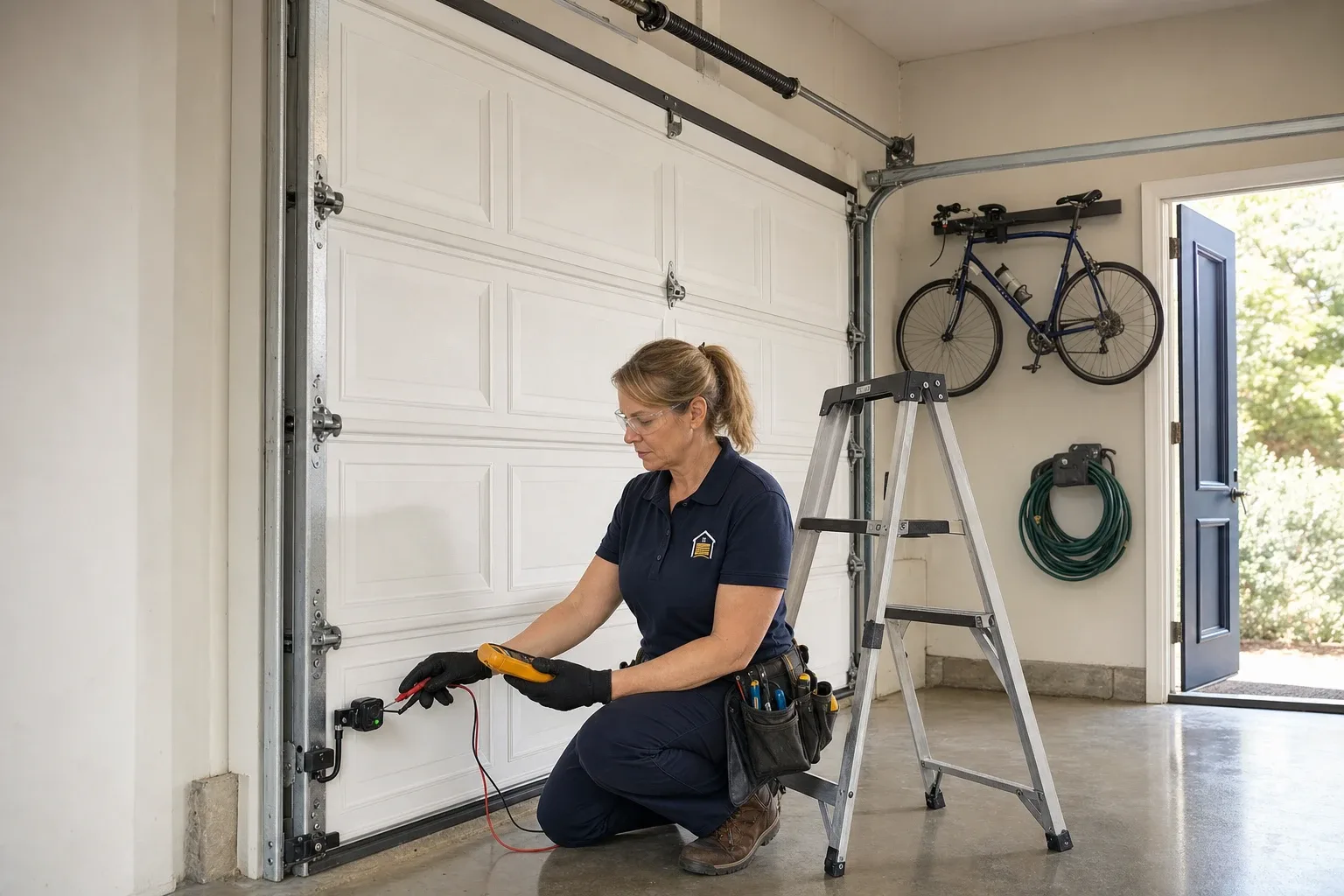
Summer humidity and, along the coast, salt air both affect opener circuit boards and photo-eye sensors in North Carolina, so a repair visit often starts by checking those components for moisture or corrosion.
Opener Repair · North Carolina
Opener Repair for North Carolina homes
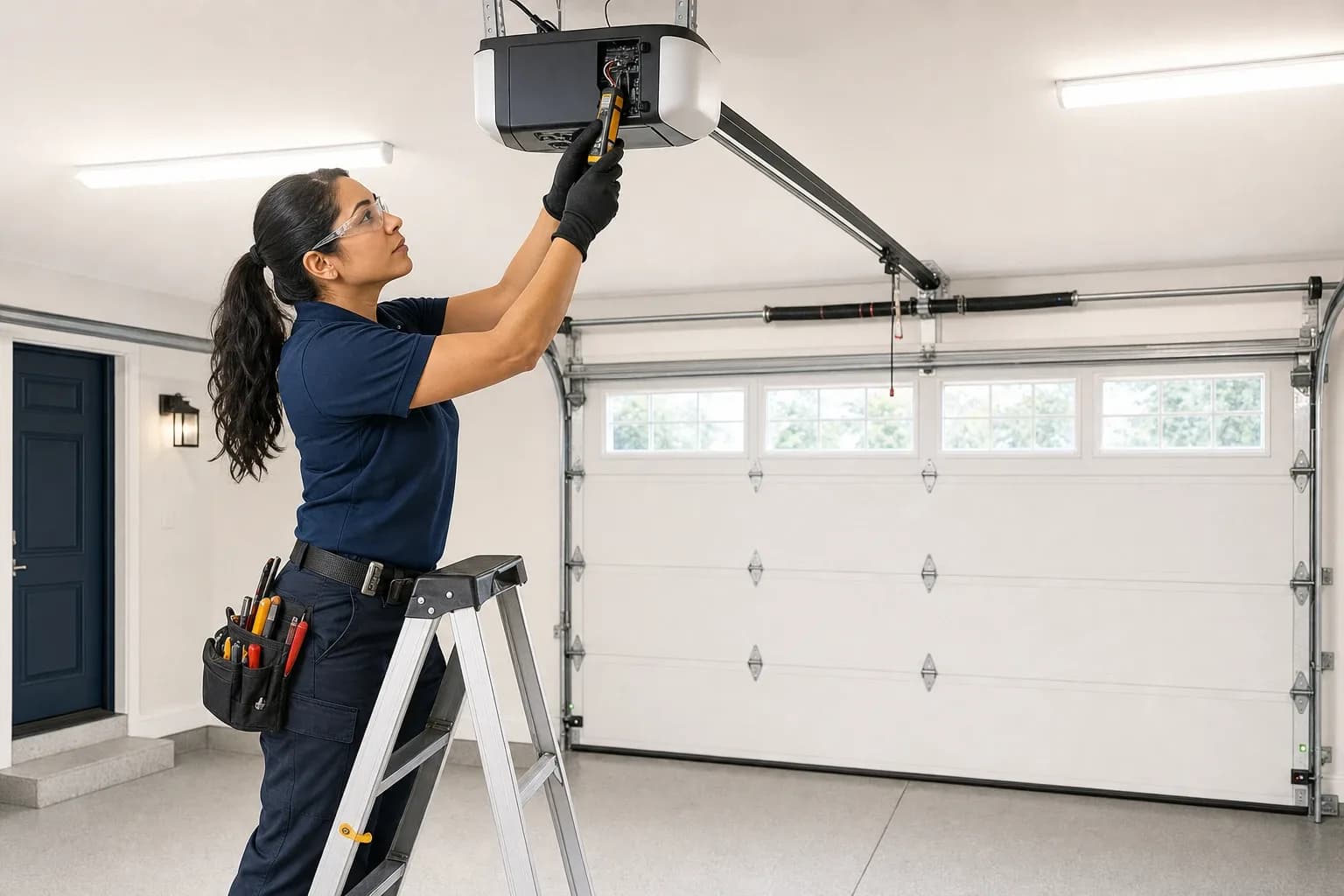
Opener issues in North Carolina often connect to humidity or, closer to the coast, salt air rather than the unit simply reaching the end of its life. Moisture can affect a circuit board or photo-eye sensor well before the opener's motor shows any wear.
In the western mountains, occasional hard freezes add a different stress, since cold can affect battery backup performance and make an opener work harder to move a door with stiffer, colder hardware.
North Carolina
What's different in North Carolina
- 01
Humidity and Salt Affect Electronics
Persistent moisture across the state, intensified by salt air near the coast, can corrode connections and interfere with an opener's circuit board or sensor wiring sooner than in a drier inland climate.
- 02
Mountain Cold Snaps Add Their Own Strain
Occasional freezing temperatures around Asheville can affect an opener's battery backup and make the whole system work harder to move a door with cold, stiffened hardware.
Know the signs
When you need opener repair
Common symptoms
- Opener runs but the door doesn't move, or moves only partway
- Door reverses immediately after touching the floor, or won't close at all
- Remote or wall button works inconsistently or not at all
- Opener makes grinding, clicking, or straining noises during operation
- Light on the opener flashes to indicate an error
What the service covers
- Diagnosis of the motor, drive system, and logic board
- Testing and adjustment of travel limits and force settings
- Repair or replacement of the drive chain, belt, or screw drive as needed
- Confirmation that the auto-reverse safety feature responds correctly
The process
How the work is done
- 1
Test opener function
The opener is run through several cycles to see exactly where it fails: on start, mid-travel, or when reversing.
- 2
Check the drive and logic board
The chain, belt, or screw drive and the opener's logic board are inspected for wear, damage, or incorrect settings.
- 3
Repair the specific fault
Depending on the cause, this may mean adjusting travel limits and force, replacing a worn drive component, or repairing wiring to a control or sensor.
- 4
Verify the safety reversal
The auto-reverse feature is tested to confirm the door reverses immediately on contact with an obstruction, as required for residential openers.
Cost factors
What affects the price
Prices aren't published because they depend on your door, the parts involved and the access to the work. These are the things that move the cost — ask for the price before any work starts.
- Drive type
- Chain, belt, and screw-drive openers use different parts for repair.
- Which component has failed
- A remote or sensor issue is typically quicker to resolve than a motor or logic-board fault.
- Opener age and part availability
- Older openers may need parts sourced or, if unavailable, a full unit replacement.
- Related door issues
- If a door-side problem, such as an unbalanced door, is straining the opener, that gets addressed too.
Safety first
- Never bypass, disconnect, or block a photo-eye sensor to force a door to close — this removes a required safety feature.
- Disconnect power to the opener before inspecting the motor unit or wiring.
- Test the auto-reverse feature regularly per the opener manufacturer's guidance; the door should reverse on contact with an obstruction.
Safe things to check first
- With the door in view, note at what point in the cycle it stops, reverses, or makes noise.
- Check whether the indicator lights on the two photo-eye sensors near the floor are lit steadily; a blinking or dark light can point to a sensor issue.
- Test the auto-reverse feature per the opener manufacturer's guidance and confirm the door reverses on contact with an obstruction.
Local pages
Opener Repair by city
Answers
Opener Repair questions in North Carolina
Why does my garage door opener act up during humid North Carolina summers?
Sustained moisture can affect an opener's circuit board and sensor wiring, which is a common reason opener issues cluster during the state's most humid stretches.
Does mountain cold cause opener problems in North Carolina?
It can — occasional hard freezes around Asheville can affect battery backup performance and add strain as the opener works against cold, stiffened hardware.
Related
Related services
North Carolina Garage Pros
Request service
Send the details in two quick steps. This isn't a booking — we contact you to confirm the problem, the timing and the location first.
Sources
- Automatic Residential Garage Door Operators — U.S. Consumer Product Safety Commission (accessed 2026-09-24)
- UL 325 50th Anniversary & Key Safety Issues — UL Solutions (accessed 2026-09-24)