
The short answer
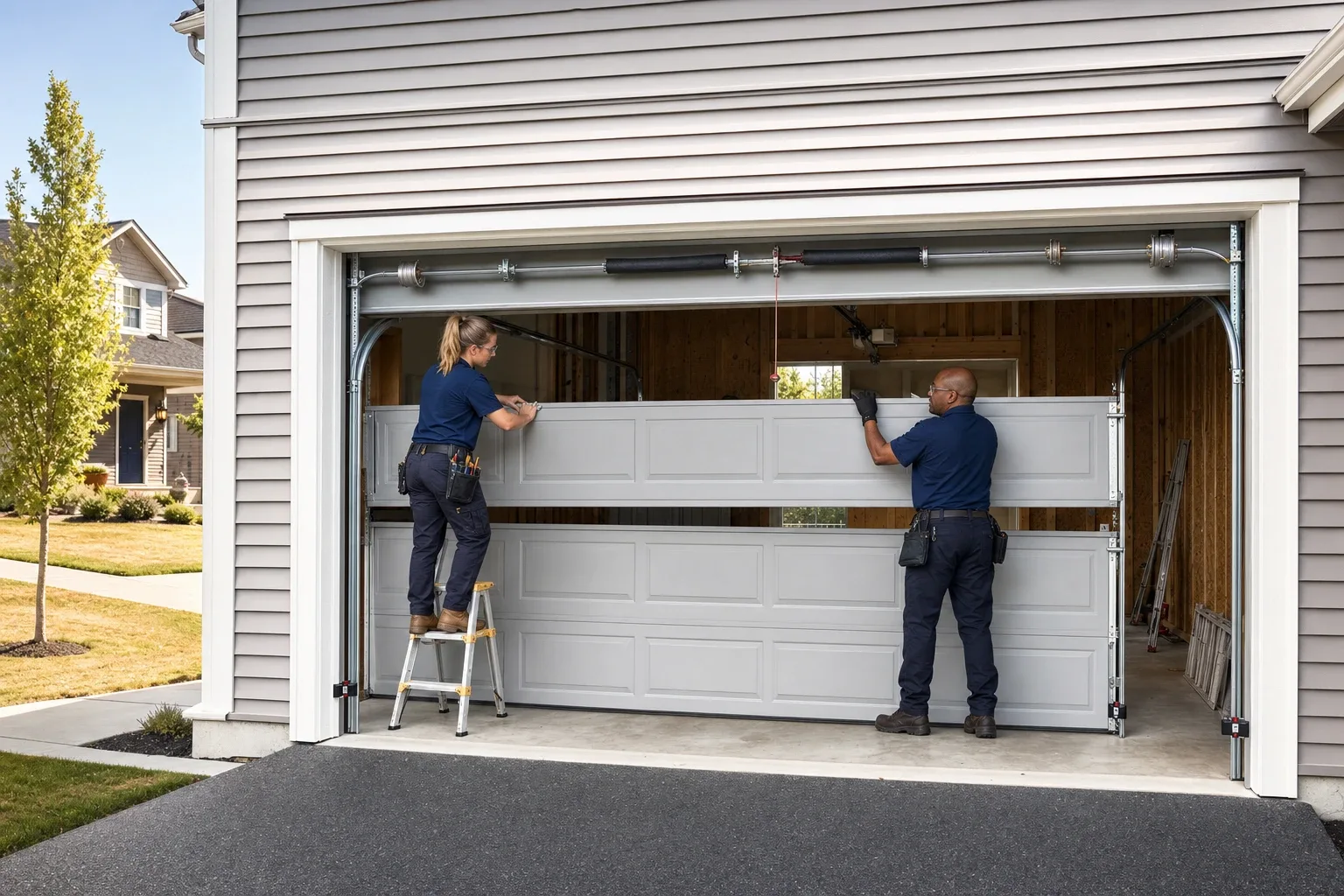
Washington's state energy code sets maximum U-factors for the building thermal envelope around a home's conditioned space, which can include a garage door when the garage is inside that envelope, and meeting it there is one of several factors — along with size, material, and insulation tier — that shape what an installation or replacement costs. There is no fixed local pricing to quote; a technician measures the opening and reviews which requirements apply before estimating.
This page explains what drives the cost. It does not quote prices: no verified local price data has been published for this area, and every door is different. Assumptions: No verified local pricing is available yet for Washington; the factors above describe what shapes an estimate, not a quoted range. Reviewed 2026-10-19.
Why the Energy Code Is a Cost Factor Here
Washington's residential energy code sets maximum U-factors for doors, windows, and other parts of the building thermal envelope, so a garage door can be held to a thermal performance requirement when the garage is part of the home's conditioned space. Meeting that standard can mean choosing a door with a specific insulation core or glazing package rather than the least expensive option available, which is a real cost factor even before size or style enter the picture.
Other Factors That Shape the Estimate
Beyond code compliance, the biggest drivers are the door's size and material, whether insulation is upgraded beyond the code minimum, whether windows or a specific finish are added, and how the new door pairs with an existing or new opener. Site conditions — an older opening that needs framing work, or a detached garage with limited access — factor in as well.
Getting an Accurate Number
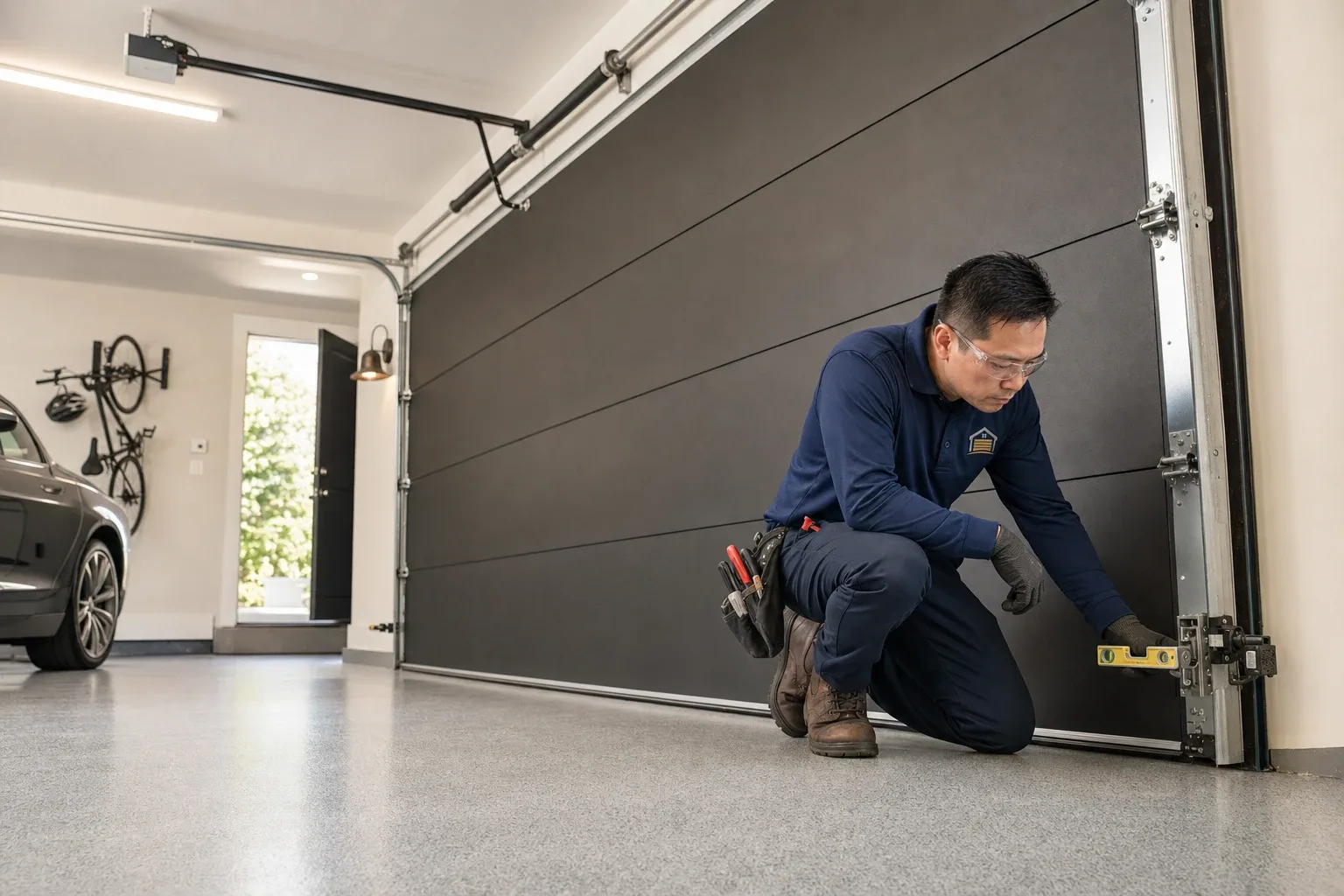
Because pricing depends on the specific door, opening, and any code requirements that apply to the project, the reliable way to get a number is to request service and have a technician measure the opening and review the applicable code requirements in person.
Cost factors
- Energy code compliance
- Where the garage is inside the home's thermal envelope, meeting Washington's energy code U-factor requirements can affect which core and glazing options apply.
- Door size and material
- Single vs. double width and steel, wood, or composite construction all shift the baseline cost.
- Insulation and glazing tier
- Insulation levels above the code minimum, and any window or glazing package, add to the estimate.
- Site conditions and access
- Older openings needing frame repair, or detached garages with limited access, can add labor time.
Published by Washington Garage Pros, a regional brand of USA Garage Pros · Updated 2026-10-19