
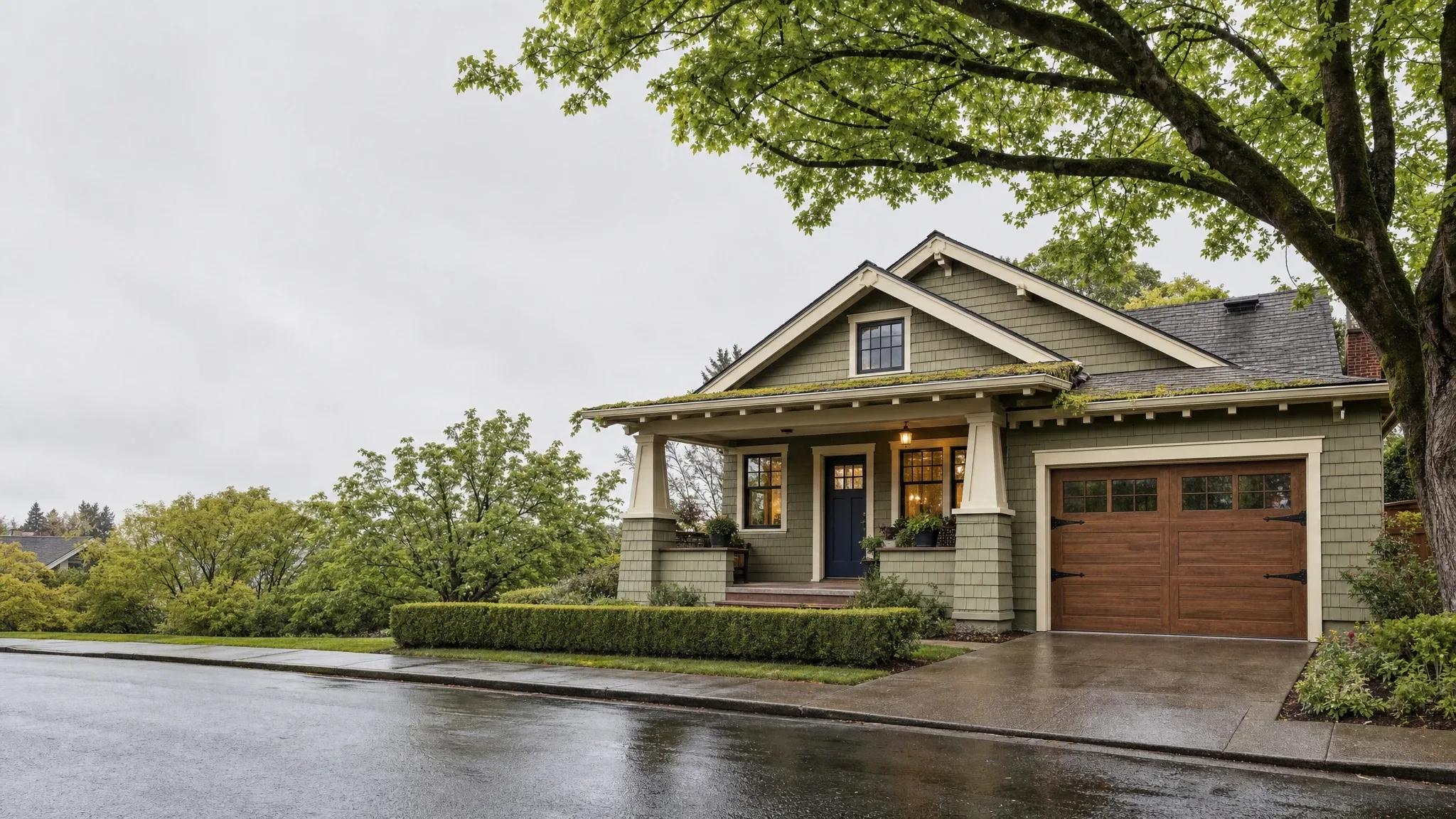
Garage Doors. A Stronger Washington.
Garage Door Repair & Installation in Washington
Request service for garage door repair, installation, or replacement anywhere from rain-soaked Puget Sound to Eastern Washington's hard winters.
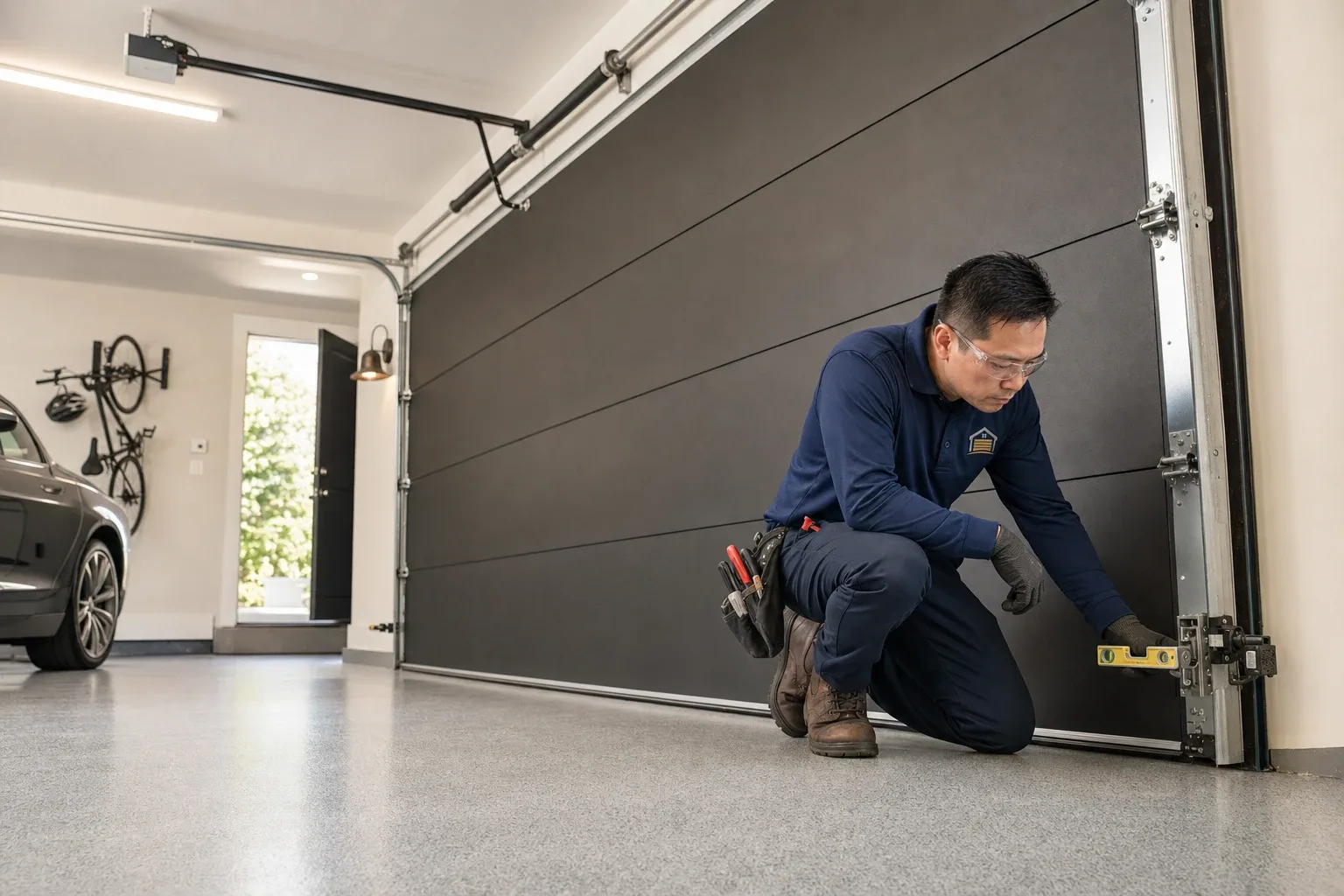
- Repairs for springs, openers, cables, rollers and tracks
- New door selection, replacement and installation
- Advice written for Washington homes and weather
Request Service
Washington Garage Pros — tell us what's happening.
Washington Garage Pros
Garage door information for Washington homes
Washington's garage doors work in two very different climates at once. West of the Cascades, Puget Sound's marine air keeps temperatures mild but delivers rain on most days from October through May, which means moisture, wood rot, and corroding hardware are the biggest long-term threats to a door. East of the mountains, in the Columbia Basin and around Spokane, winters bring real cold, ice, and snow load, while summers turn hot, dry, and dusty, with wildfire smoke drifting through in some years.
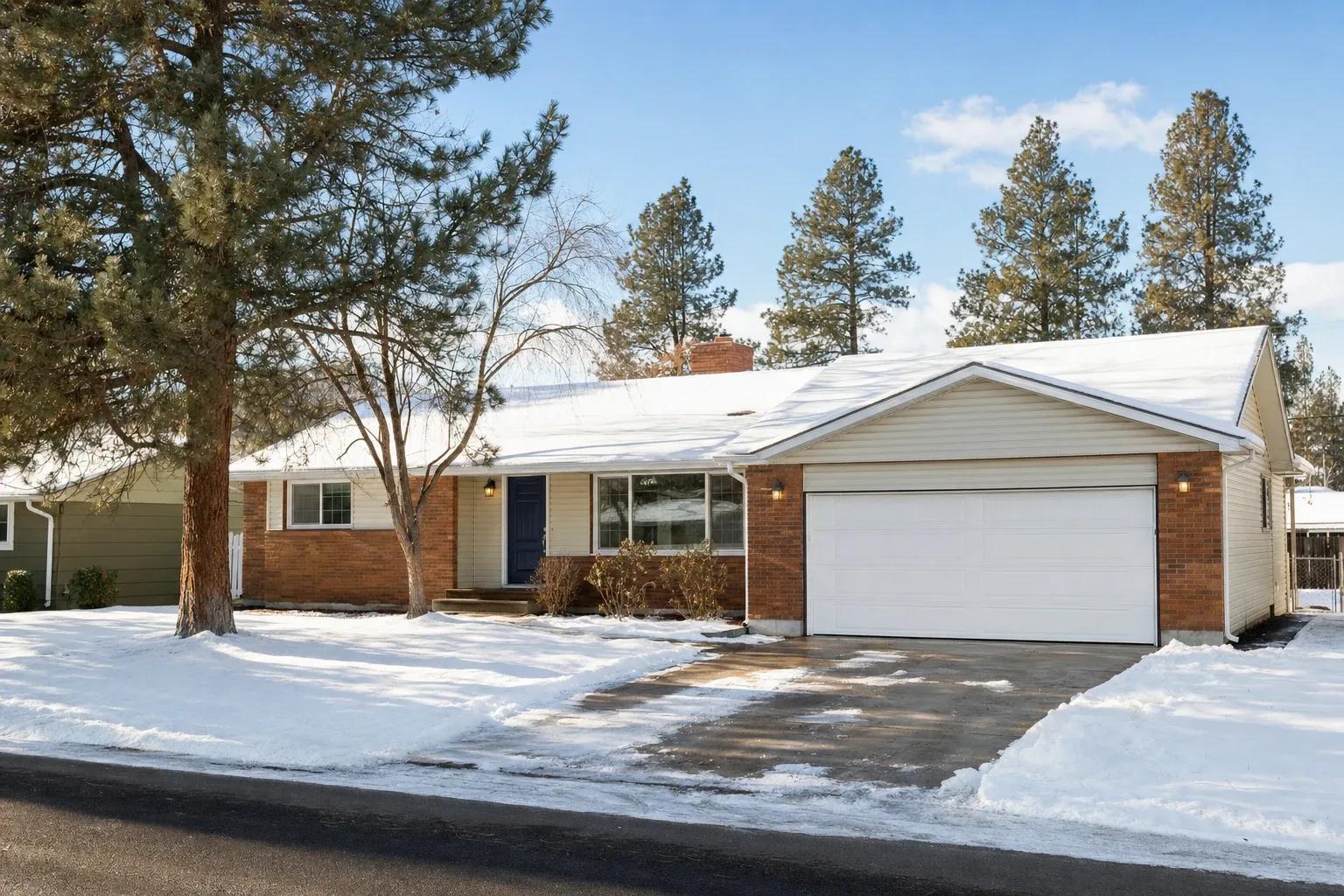
Housing stock varies just as much. Seattle and Tacoma still have plenty of early- and mid-20th-century homes with narrow single-car garages, some of them detached and set back along an alley, alongside decades of newer suburban construction with two- and three-car attached garages. Eastern Washington's ranch-style and newer tract homes tend to have wider openings and, more often, insulated steel doors built for the swing between a summer afternoon and a winter night.
Door types reflect that split: carriage-style and raised-panel steel doors dominate the wetter west side, where insulation and moisture resistance matter most, while raised-panel and flush modern doors are common in drier inland communities. Statewide, the Washington State Energy Code sets a minimum thermal performance standard for garage doors in covered construction, which shapes material and insulation choices on new installs and full replacements.
- Puget Sound / Seattle–Tacoma
- Mild, wet marine climate with a mix of older bungalow-style detached garages and newer suburban attached garages.
- Eastside / Bellevue–Kirkland–Sammamish
- Affluent Puget Sound suburbs with newer construction, HOA design standards, and contemporary door styles.
- South Sound (Puyallup, Bonney Lake, Lakewood)
- Fast-growing suburban tract housing south of Tacoma, generally with wider attached two-car garages.
- Inland Northwest (Spokane & Spokane Valley)
- Cold, snowy winters and hot, dry summers with wider temperature swings than the coast.
- Yakima Valley / Central Washington
- High-desert agricultural region with hot dry summers, cold winters, and older farmhouse-style properties.
Every request is reviewed before anything is scheduled.
Services
Washington garage door services
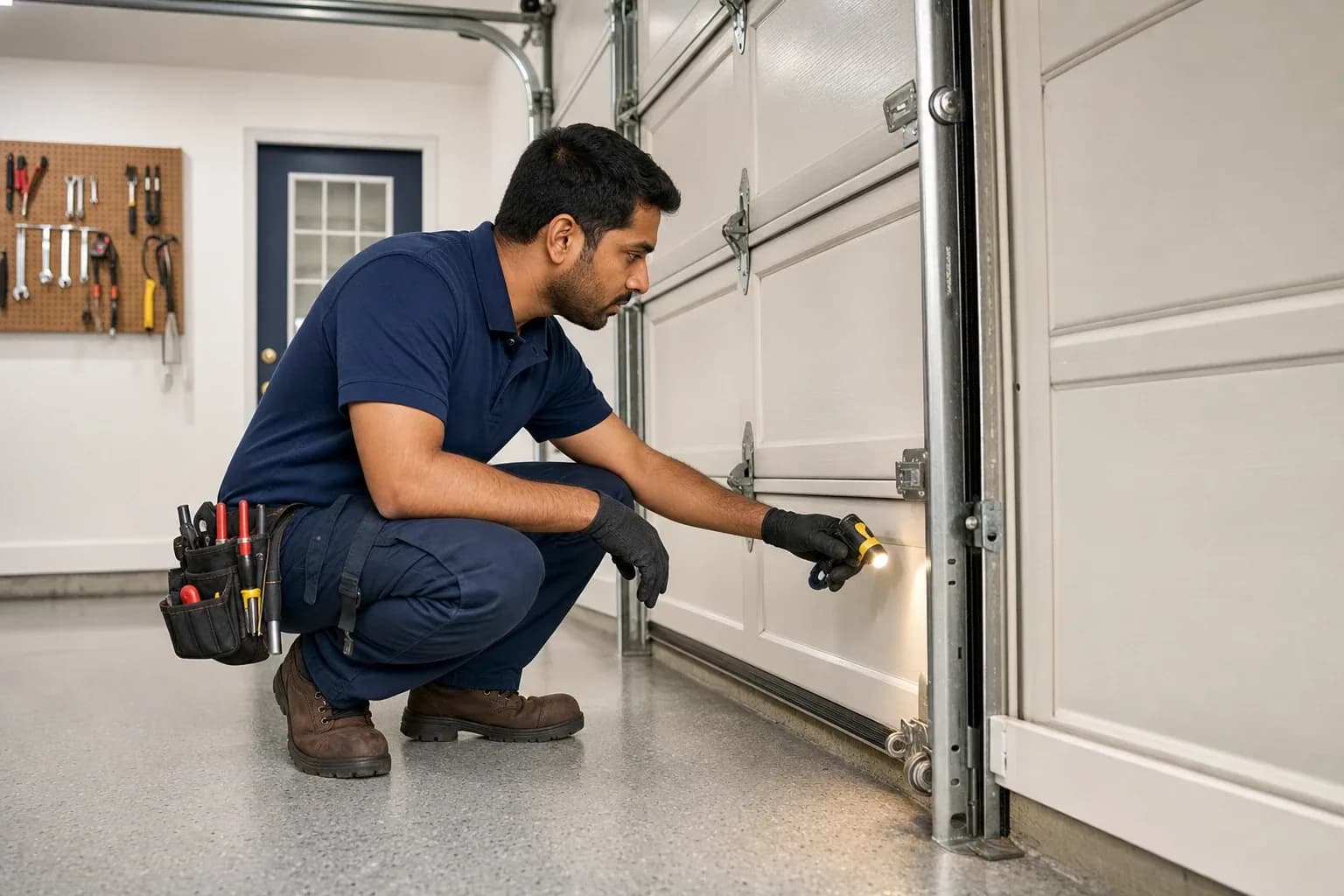
Illustrative image Repair
In Western Washington, repairs often trace back to moisture: swollen wood panels, rusted hardware, or hinges that have seized after months of damp weather. East of the Cascades, cold-stiffened parts and wind or ice damage are more often the cause.
Repair details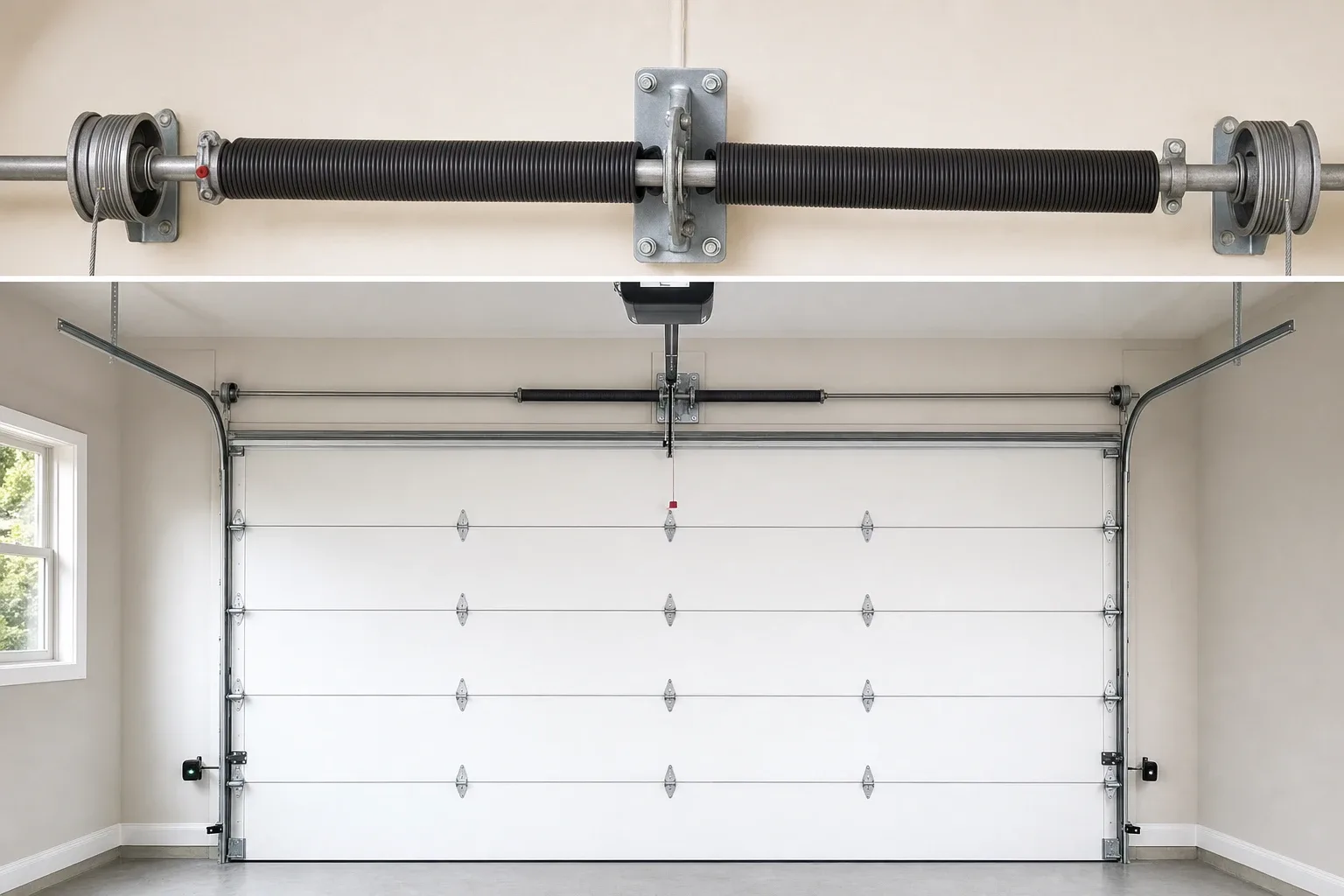
Illustrative image Spring Repair
Torsion springs cycle under more strain in Eastern Washington's freeze-thaw winters, where cold-stiffened steel adds load to every open and close. Spring work stays with a professional regardless of where in the state a door is installed.
Spring Repair details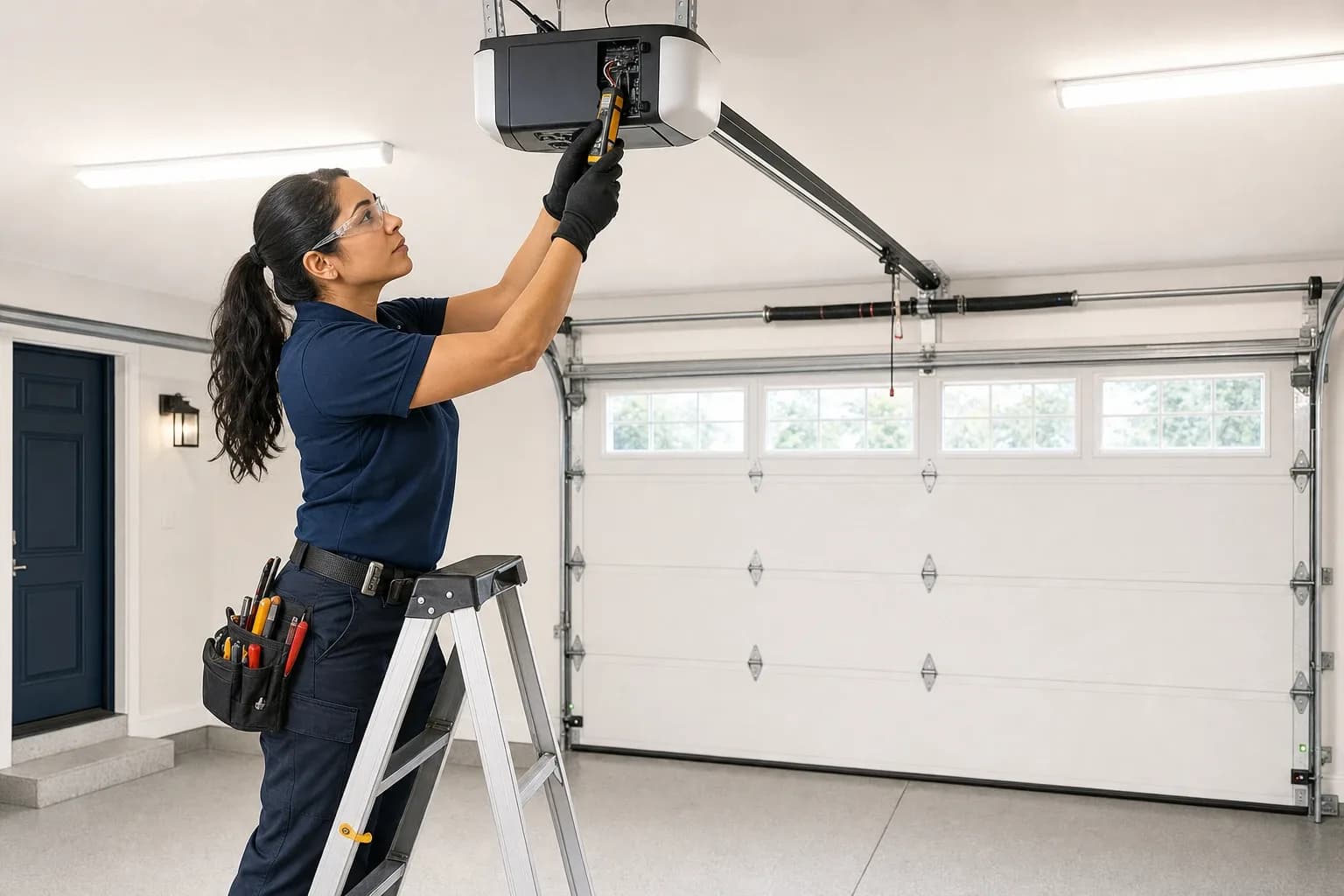
Illustrative image Opener Repair
Openers in older Puget Sound garages often predate current safety standards, and coastal humidity can corrode circuit boards and contacts over time; inland, summer dust and occasional wildfire haze do similar damage to sensors and drive components.
Opener Repair details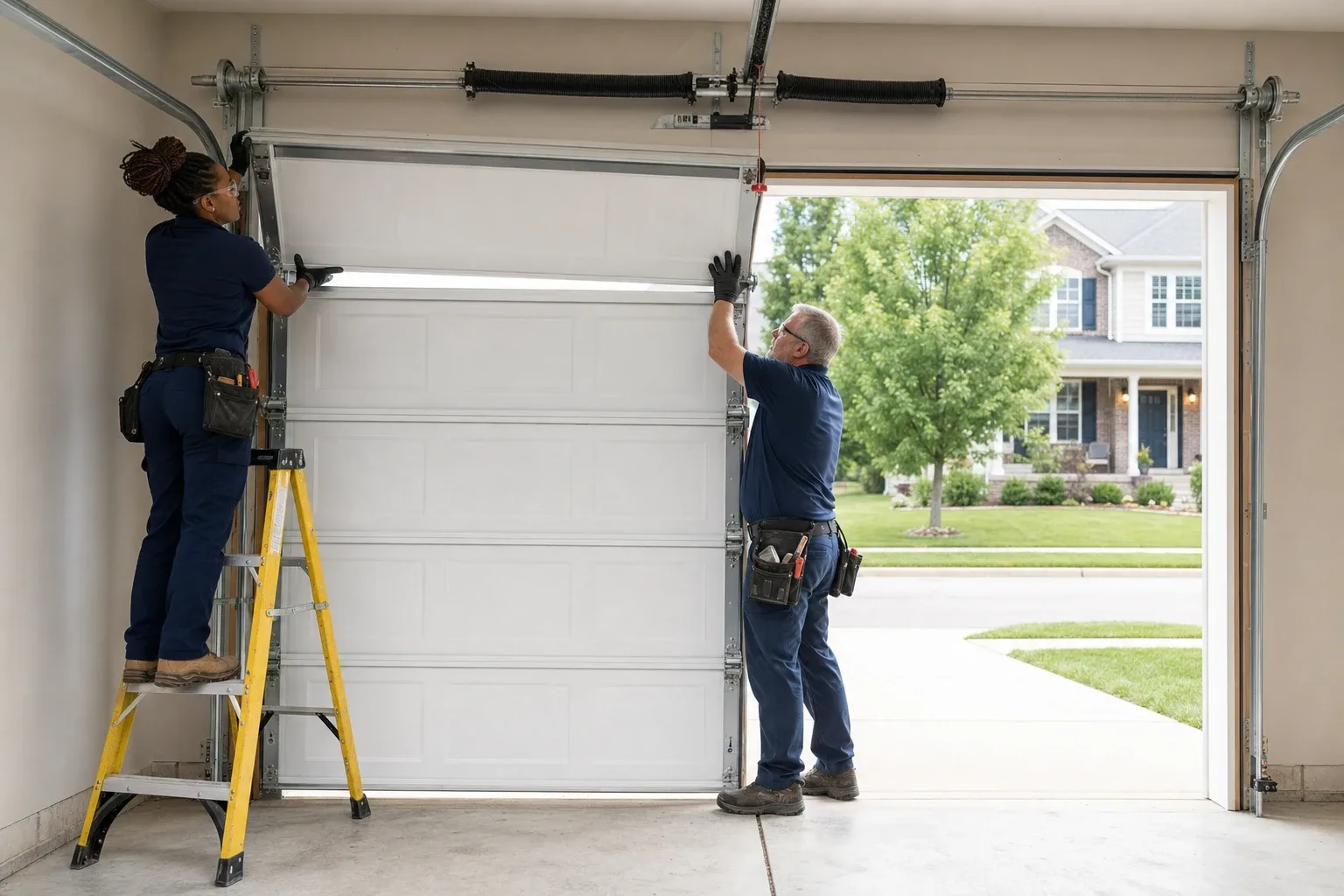
Illustrative image Replacement
Replacing an older door in Washington is a chance to correct decades of wood rot or corrosion at once, and to choose a door suited to the local climate zone, whether that's added moisture resistance near Puget Sound or extra insulation for Eastern Washington's cold snaps.
Replacement detailsIllustrative image Installation
New installations across Washington need to account for the state energy code's minimum thermal performance standard, and for exposure — a door on an exposed Cascades foothill lot is installed differently than one tucked under an eave in a Seattle bungalow.
Installation details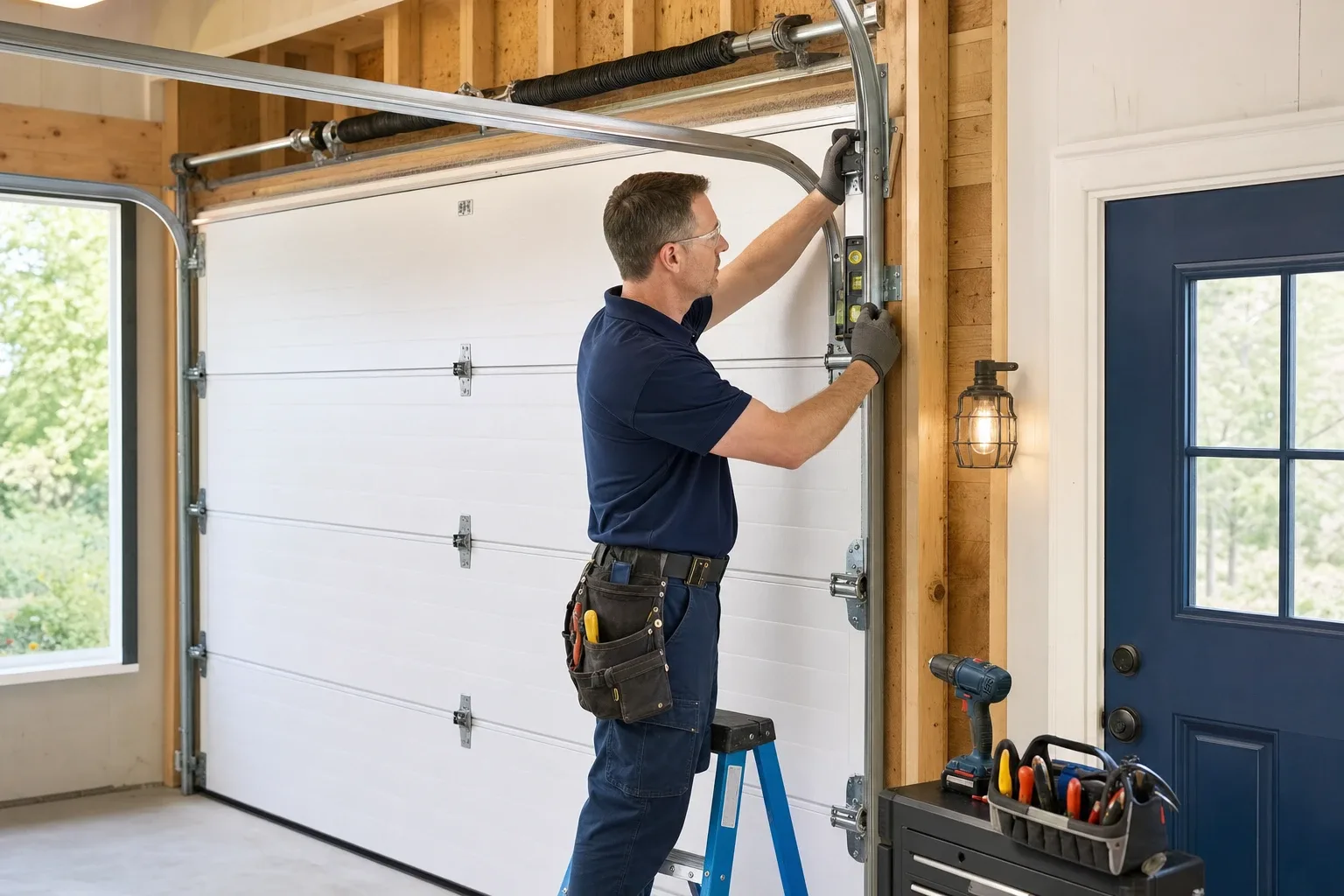
Illustrative image Off-Track Repair
Ice buildup in the vertical tracks after an Eastern Washington cold snap, or years of a sagging wood jamb in an older Seattle garage, are common reasons a door leaves its track here; realigning it safely means never forcing a door that resists movement.
Off-Track Repair details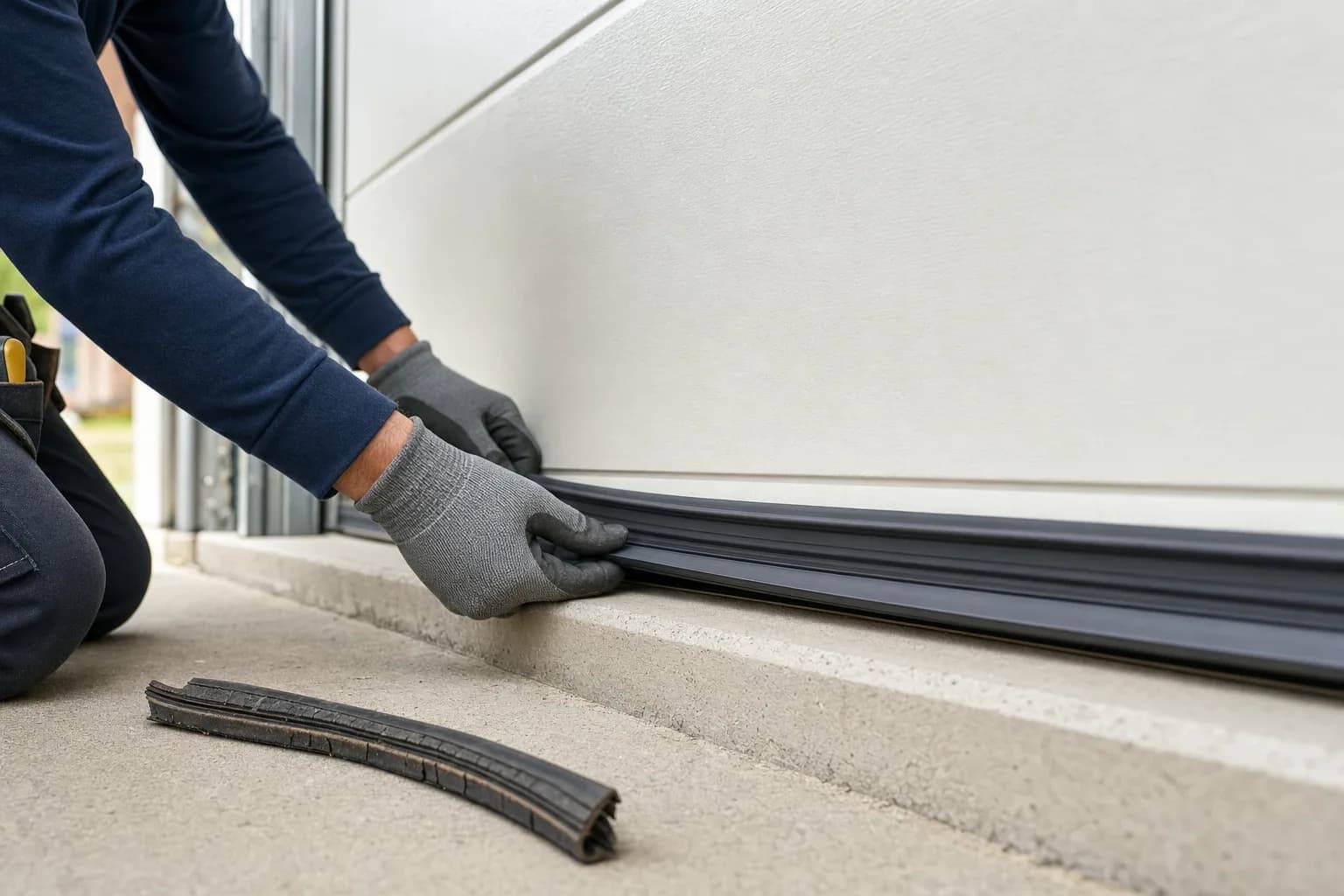
Illustrative image Weather Sealing
Bottom seals and side weatherstripping wear out quickly in Washington's long rainy season, letting water track under the door and into stored belongings; replacing worn seals before the fall rains return is a small job with an outsized payoff.
Weather Sealing details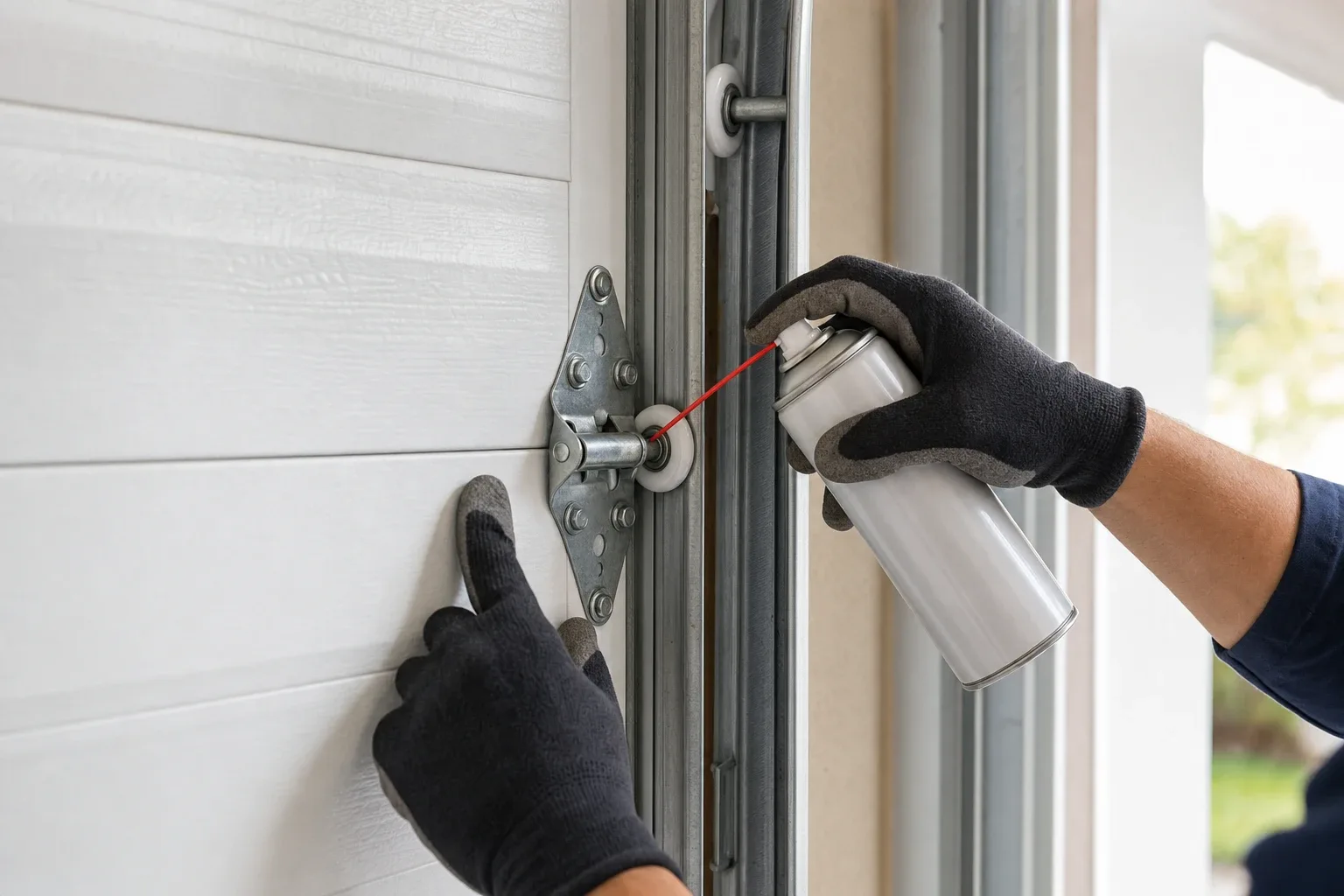
Illustrative image Maintenance
A seasonal maintenance visit matters more in Washington than in drier climates, since standing moisture, moss, and rust move fast on hardware that sits outside for eight or nine wet months of the year west of the Cascades.
Maintenance details
Built for Washington
What local conditions mean for your door
- 01
Marine Rain and Moisture (Western Washington)
Western Washington gets the bulk of its roughly 32 to 35 inches of annual rainfall spread across the fall, winter, and spring, which keeps garage floors, thresholds, and hardware damp for long stretches. Wood panels swell and can rot at the base, steel fasteners rust, and worn weatherstripping lets water track under the door into stored belongings. Doors here benefit from corrosion-resistant hardware and a seasonal check of the bottom seal before the rains set in each fall.
- 02
Cold Snaps and Mountain Snow (Eastern Washington & the Cascades)
Spokane's official climate normal runs about 45 inches of snow a winter at the airport, with many valley locations landing in the 40-to-50-inch range and considerably more up in the surrounding mountains and Cascade passes, and hard freezes are routine. Ice can form in the vertical tracks or bond a bottom seal to the slab, torsion springs stiffen in the cold, and unheated detached garages see the widest temperature swings in the state. A door that resists moving after a freeze should never be forced — it needs a professional look at the track and seal, not extra force.
- 03
Older Housing Stock and Detached Garages
Many Seattle, Tacoma, and Everett neighborhoods still have original single-car garages from the early-to-mid 1900s, often detached and reached by a narrow alley, with framing that predates today's standard door widths. Fitting a modern insulated door into one of these openings, or adding an opener where there wasn't one before, usually takes a closer look at the existing jamb and header before ordering a replacement.
- 04
Wildfire Smoke and Summer Dust (Inland Washington)
Late-summer wildfire smoke settles into the Columbia Basin and Spokane area in some years, and dry inland summers kick up dust on gravel roads and new construction sites. Both work into photo-eye sensors and roller tracks over a season, which is one reason a fall maintenance check matters as much in Eastern Washington as a spring one does on the coast.
- 05
HOA-Governed Suburbs Around Puget Sound
Newer master-planned communities in places like Sammamish, Bonney Lake, and parts of Snohomish County often carry homeowners association design standards that specify approved garage door styles and colors. Homeowners planning a replacement in one of these communities typically confirm the approved options with their HOA before choosing a door, since the association's rules sit outside anything a contractor controls.
Cities
Washington cities
Local pages for the cities our technicians serve, and what matters for doors in each one.
Local guides
Washington garage door guides
How it works
What happens after you ask for help
- 1
Request
Tell us what the door is doing and your ZIP code. The form takes about a minute.
- 2
Confirm
We review the request and contact you to confirm details and timing before anything is scheduled.
- 3
Diagnose
A technician inspects springs, cables, rollers, tracks and the opener, then explains what is wrong and your options.
- 4
Fix or install
The agreed repair or new door is completed, then the balance and the opener's safety reverse are checked.
Answers
Washington garage door questions
Does the rain in Western Washington really cause garage door problems?
Yes. Long stretches of damp weather are the leading cause of wood rot, rusted hardware, and failed weatherstripping on garage doors west of the Cascades. Checking the bottom seal and hardware each fall, before the heaviest rain arrives, catches most of it early.
Can a garage door freeze shut in Eastern Washington?
It can, usually because ice has formed in the track or bonded the bottom seal to the slab rather than because anything is broken. Never force a frozen door — warm the seal gently and call a technician if it still won't move, especially if the opener seems to be straining.
Do garage doors need extra insulation in Spokane compared to Seattle?
Washington's state energy code sets a baseline thermal performance requirement statewide, but homeowners in colder inland areas like Spokane often choose a higher insulation tier than the code minimum to handle wider winter temperature swings.
My house is an older Seattle craftsman with a narrow one-car garage — can that still get a modern door?
In most cases yes, though older openings and framing sometimes need a closer look before a standard-width insulated door will fit properly. A technician can measure the existing jamb and header to confirm what will fit.
Does wildfire smoke in late summer affect garage door openers?
Ash and dust from smoky, dry summers in inland Washington can work into photo-eye sensors and roller tracks over a season, which is part of why a maintenance check before winter is worth scheduling in Eastern Washington as much as a spring check is on the coast.
My HOA in a Puget Sound suburb has rules about garage door styles — can that be matched?
Many manufacturers offer styles and colors that fit common HOA standards, but approval itself is between the homeowner and the association. Confirming the approved specifications before ordering avoids having to redo the work.
Washington Garage Pros
Request service in Washington
Send the details in two quick steps. This isn't a booking — we contact you to confirm the problem, the timing and the location first.