
The short answer
Western Washington's long, wet season causes garage doors to show wood rot, rust, and moss faster than in drier parts of the state, mainly because hardware and the base of the door stay damp for months at a time. Seasonal weatherstripping checks and corrosion-resistant hardware slow the damage considerably.
Why Western Washington Doors Wear Differently
Puget Sound's marine climate delivers roughly 32 to 35 inches of precipitation a year between the Canadian border and Seattle, concentrated in the fall, winter, and spring, keeping garage thresholds and lower panels damp for long stretches at a time. Standard steel fasteners and springs corrode faster in that kind of sustained moisture, and wood panels near the bottom of an older door can absorb water and begin to rot once the finish has worn through.
Signs to Watch For
Most of these problems show up gradually rather than all at once, which is why an annual check catches them while they're still a small repair.
- Moss or dark green growth on the bottom panel, threshold, or driveway apron
- Rust streaks bleeding from screws, hinges, or the track
- Soft or spongy wood at the base of a wood-panel door
- A track or roller that's begun sticking or slowing down
Keeping Ahead of It
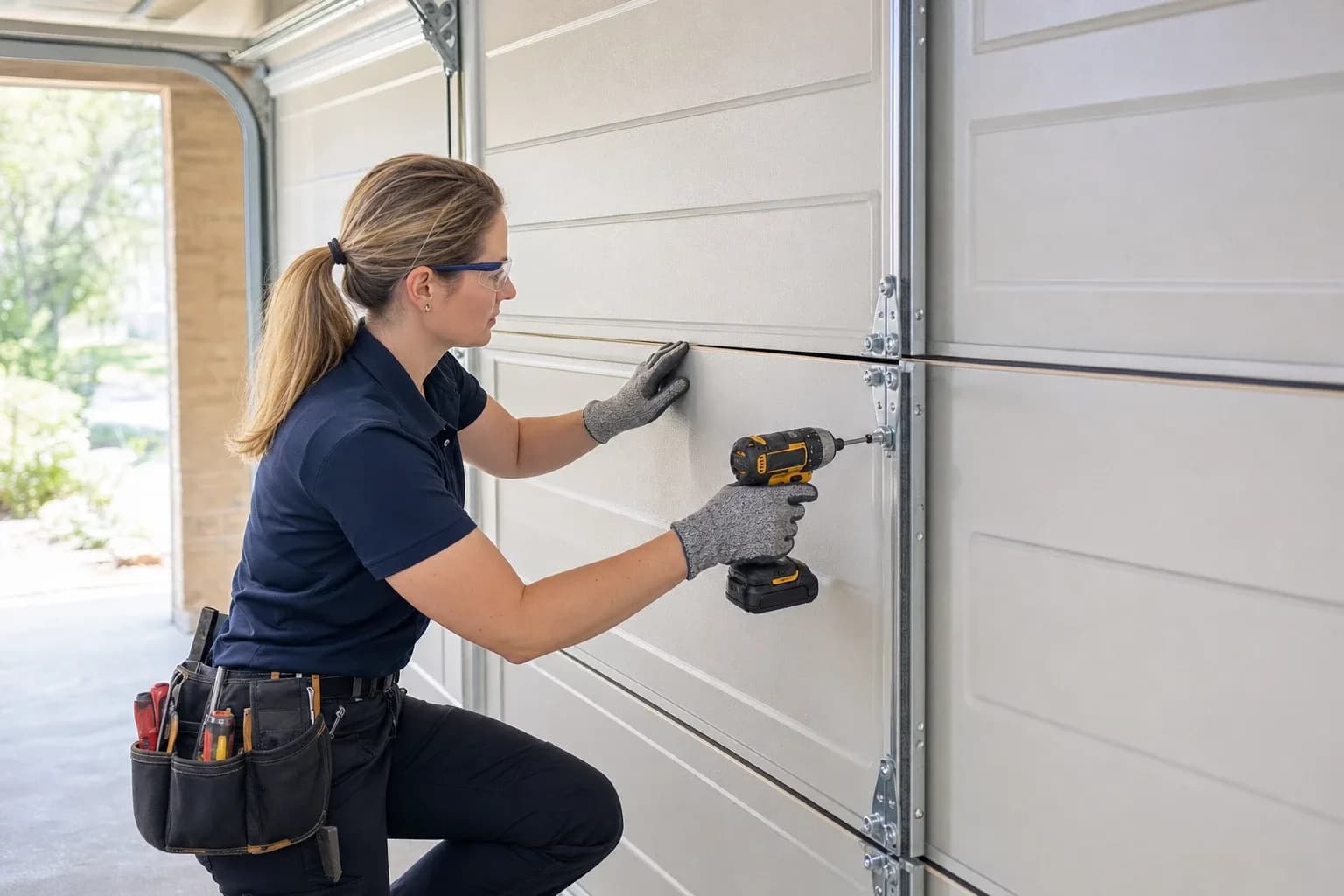
Replacing worn weatherstripping before the fall rains return keeps water from tracking under the door, and swapping standard hardware for corrosion-resistant rollers and fasteners pays off over years of Western Washington weather rather than months. A yearly maintenance visit is also a chance to catch early rot or rust before it spreads into the door's structural panels.
Published by Washington Garage Pros, a regional brand of USA Garage Pros · Updated 2026-10-19