
The short answer
Washington's garage doors face a different challenge each season: rain and moisture in the fall and winter west of the Cascades, hard freezes and snow load east of them, then dust and heat in the summer. A simple seasonal routine catches most problems before they become a repair call.
Fall: Getting Ready for the Rain
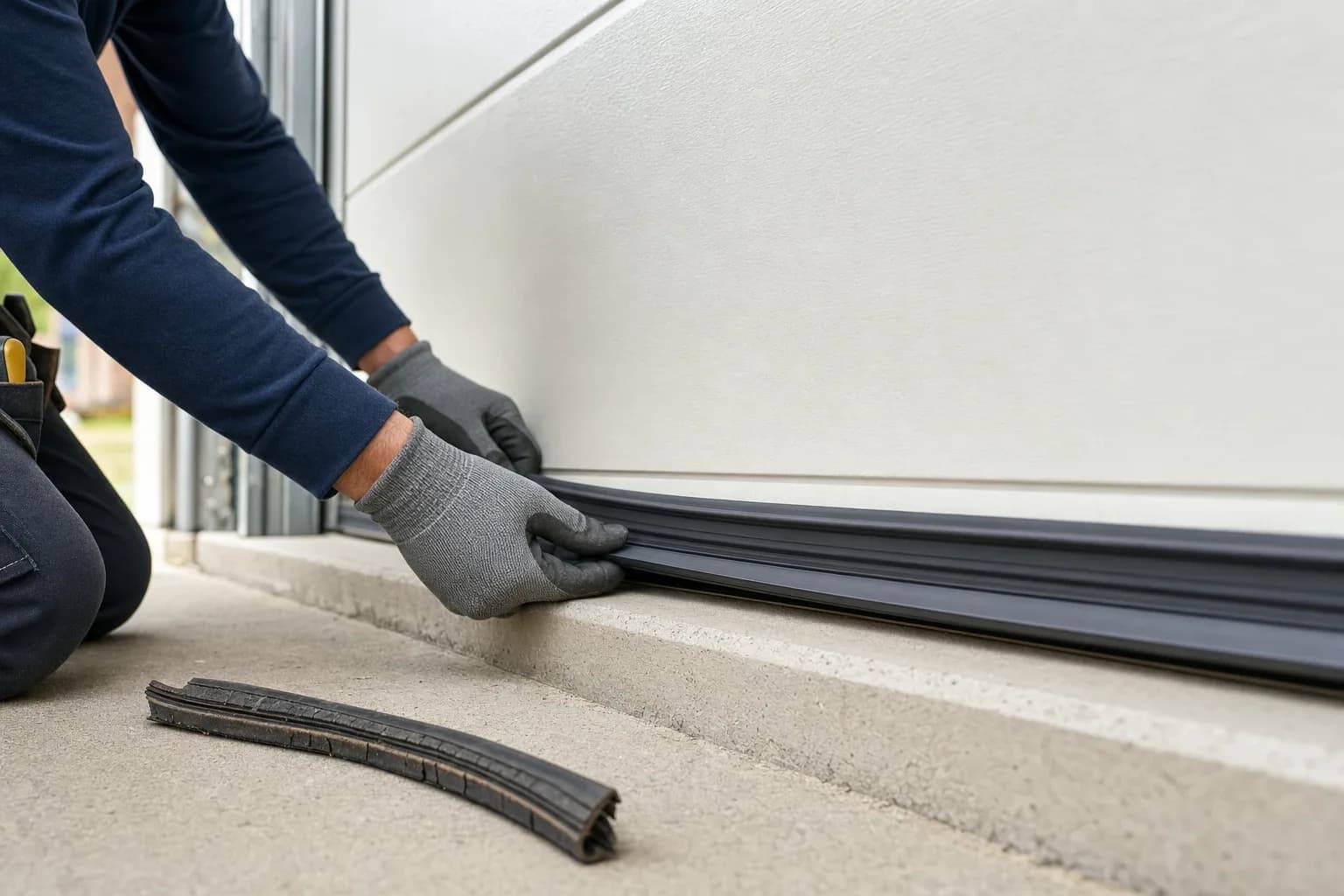
Before the heaviest rain sets in, check the bottom seal and side weatherstripping for cracks or gaps, clear debris from the track, and confirm the door closes flush with the threshold. This is also a good time to have hardware lubricated per the door manufacturer's instructions.
Winter: Cold Snaps and Ice
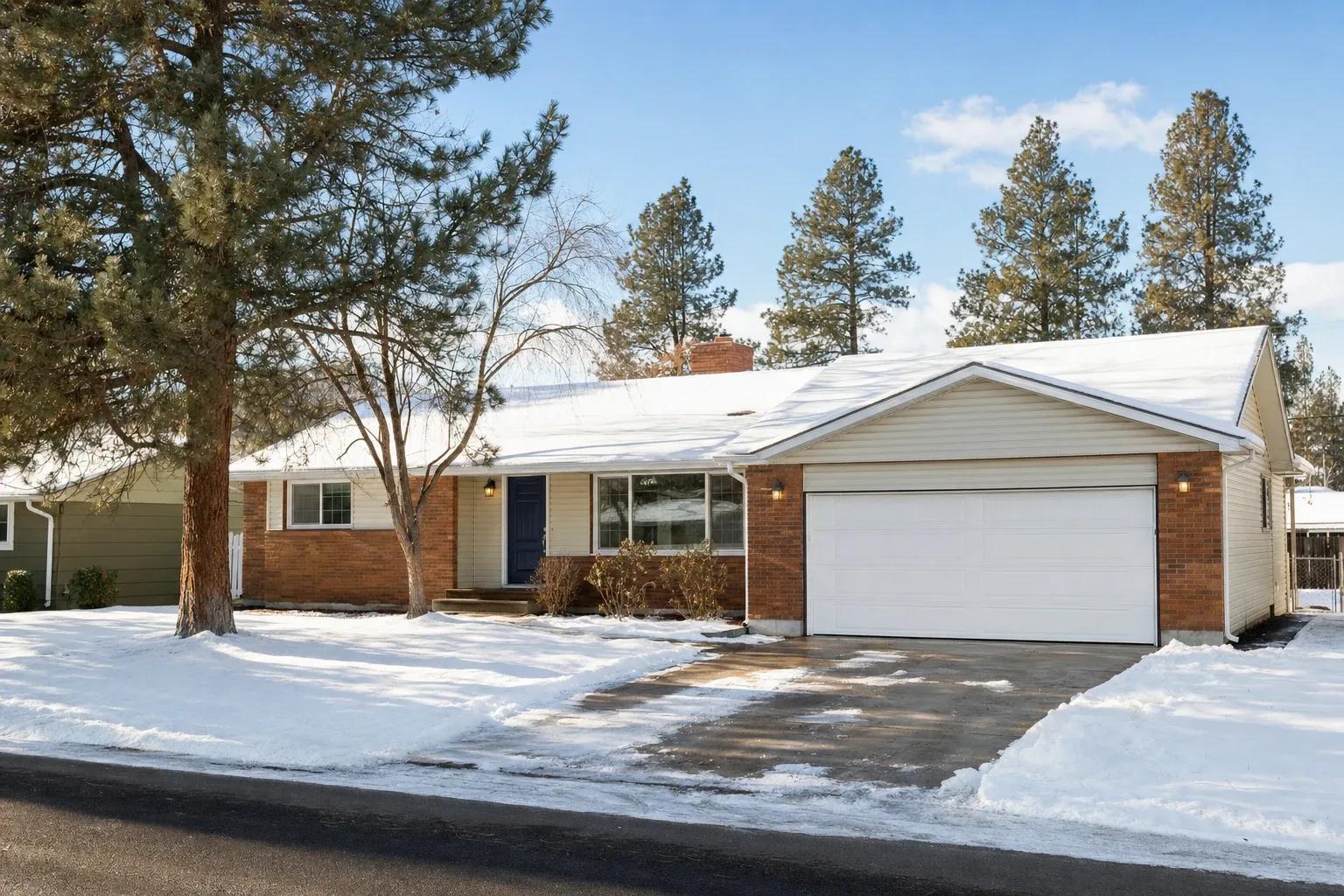
In Eastern Washington and the Cascade foothills, watch for ice forming in the vertical tracks or at the bottom seal after a freeze-thaw cycle, and never force a door that resists moving. On the coast, winter is mainly about keeping water from pooling at the threshold during heavy rain events.
Spring: Drying Out and Checking for Damage
Once the wettest months pass, look over the door for rust streaks, soft wood at the base, or moss that built up over winter, and address small issues before summer heat sets them permanently. It's also a good time to test the auto-reverse safety feature per the opener manufacturer's guidance.
Summer: Dust, Smoke, and Heat Inland
In Eastern Washington, dry summers bring dust from gravel roads and construction, and some years bring wildfire smoke drifting through the Columbia Basin — both can work into photo-eye sensors and roller tracks. A quick wipe-down of the sensor lenses and a look at the rollers before fall keeps the system running cleanly into the next wet season.
Published by Washington Garage Pros, a regional brand of USA Garage Pros · Updated 2026-10-19