
Connecticut Garage Pros
Garage Door Services in Connecticut
What each service involves — with notes on what's different about doors in Connecticut.
Repairs
Illustrative image Repair
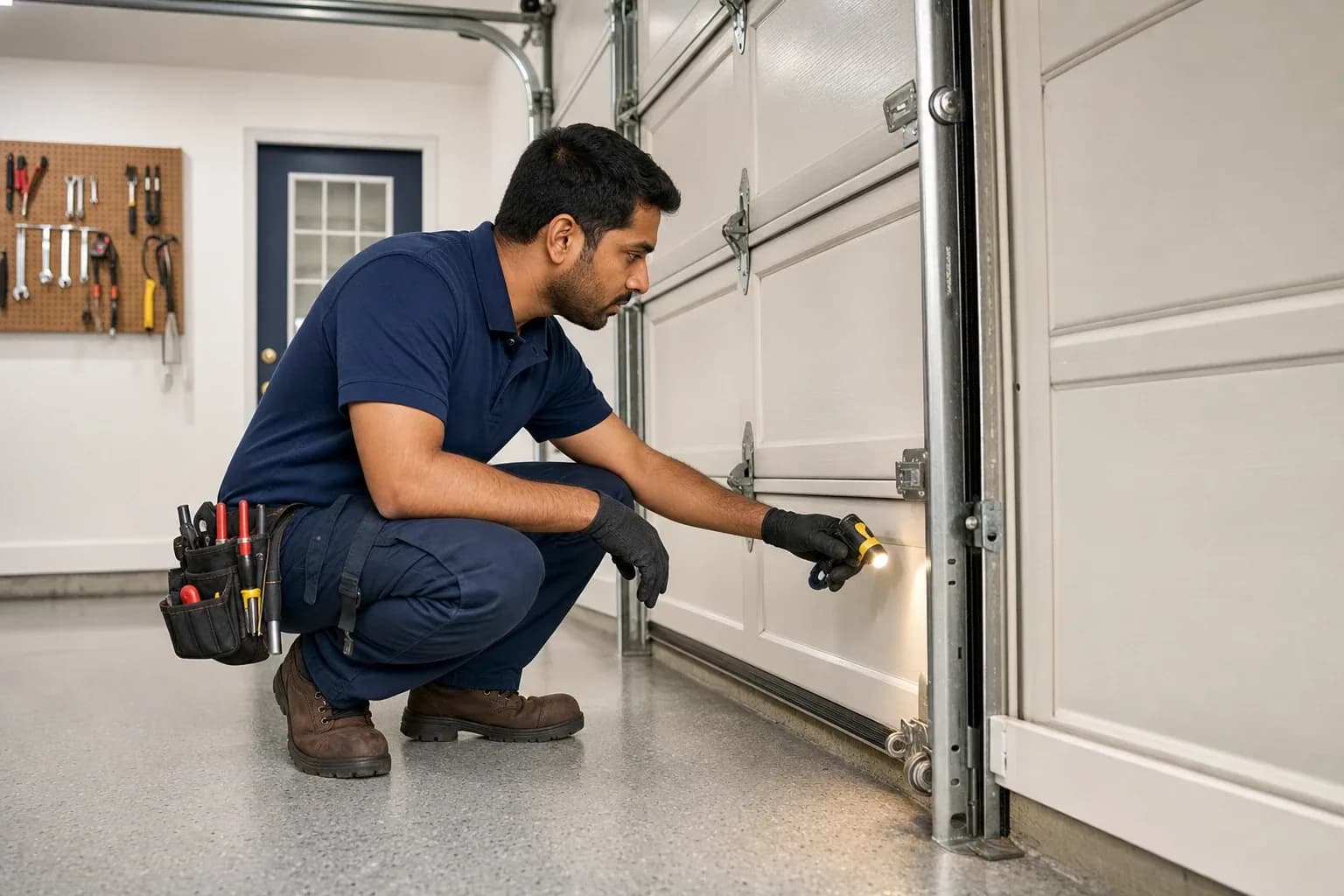
General repair calls in Connecticut cluster around two causes: hardware that has corroded or stiffened from coastal humidity, and mechanisms strained by a hard winter's cold and snow load. What a repair actually involves often depends on which of those two conditions applies.
Repair details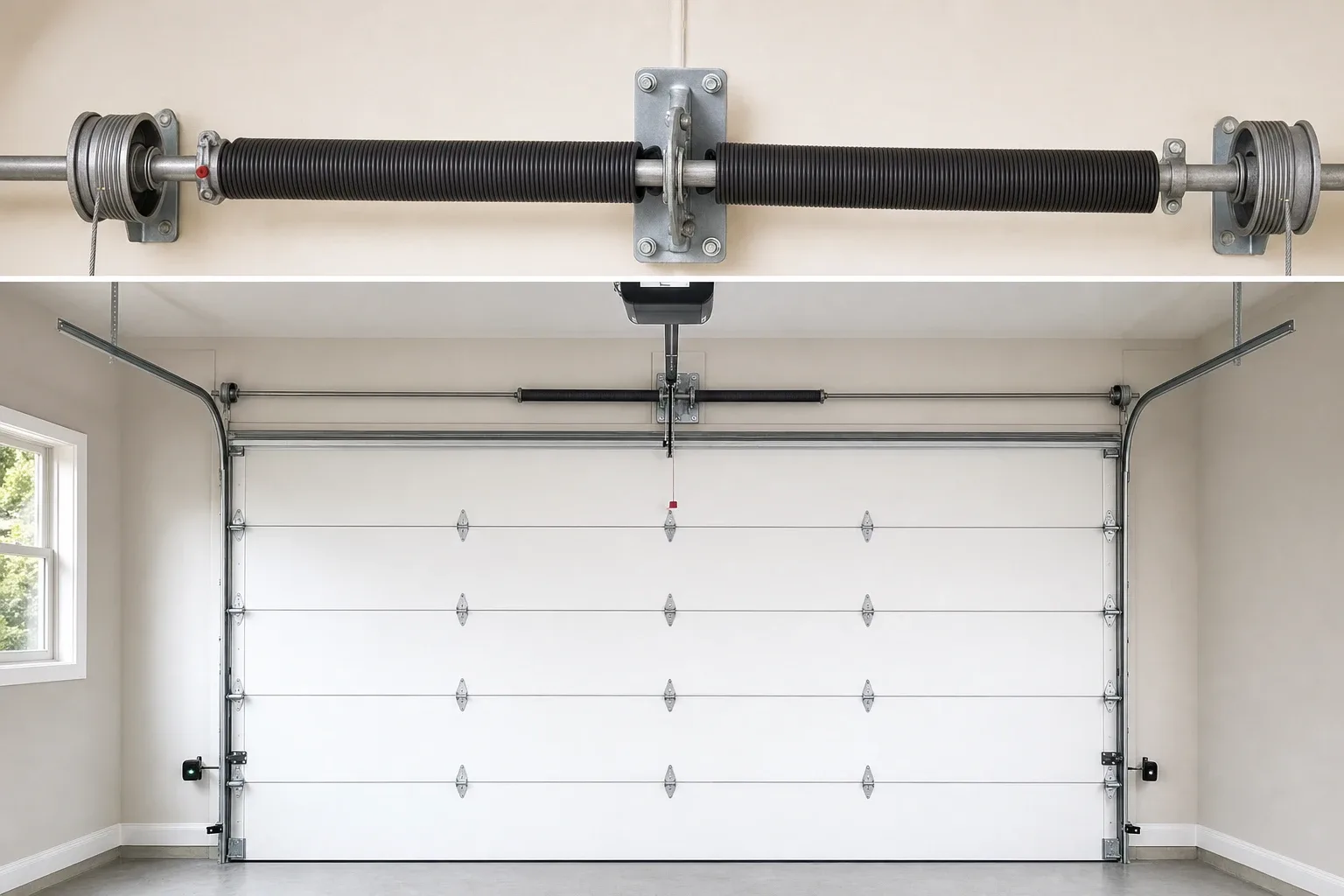
Illustrative image Spring Repair
Torsion and extension springs work harder in Connecticut's cold winters, since cold steel is more brittle and heavy snow-loaded doors cycle under more strain. Coastal humidity adds a second stress by corroding spring coils and mounting hardware faster than in a dry inland garage.
Spring Repair details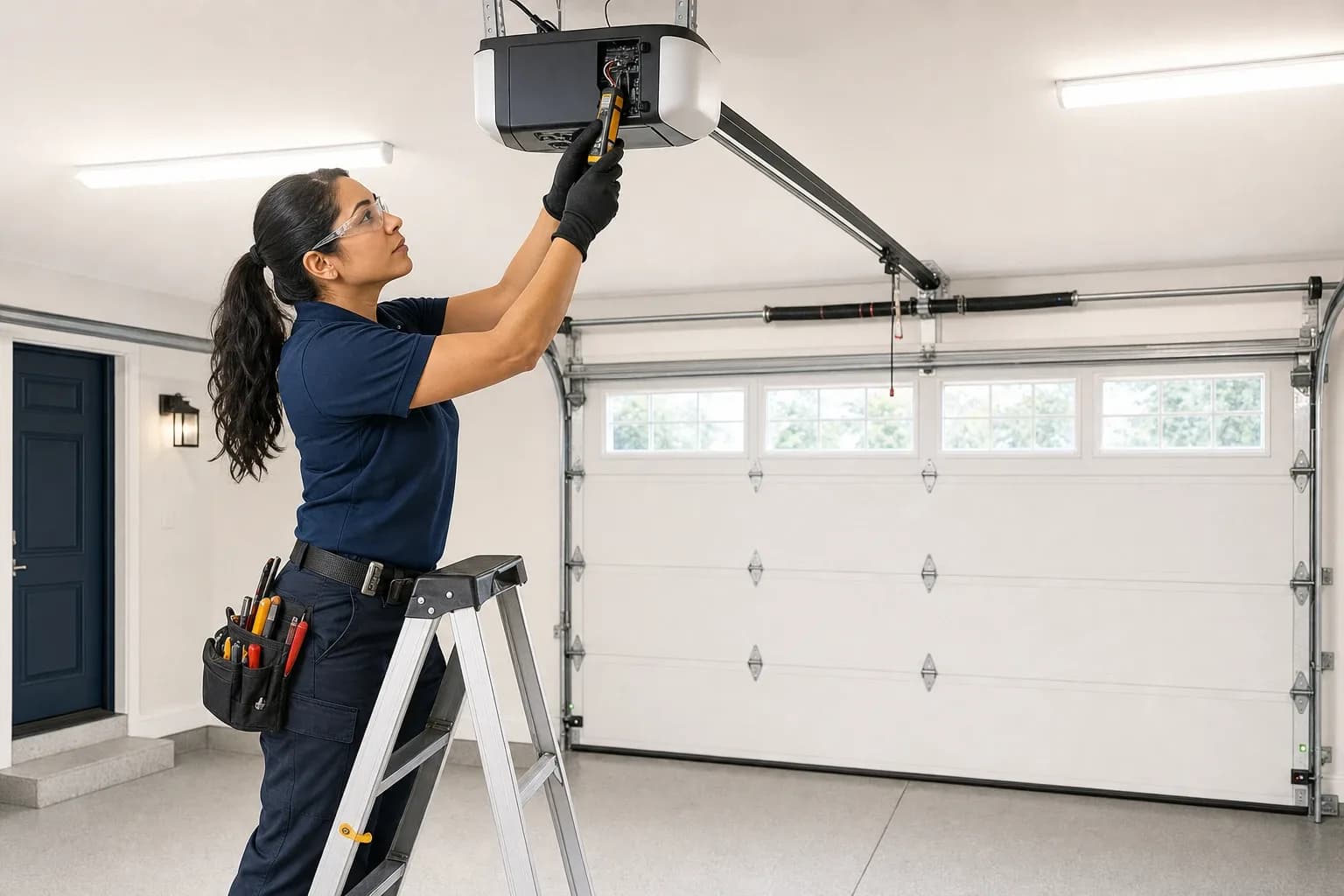
Illustrative image Opener Repair
Openers in unheated Connecticut garages can slow down or misbehave in deep cold, and coastal units are more prone to corroded circuit contacts and sensor wiring. A nor'easter power outage is also a common trigger for opener and battery-backup service calls.
Opener Repair details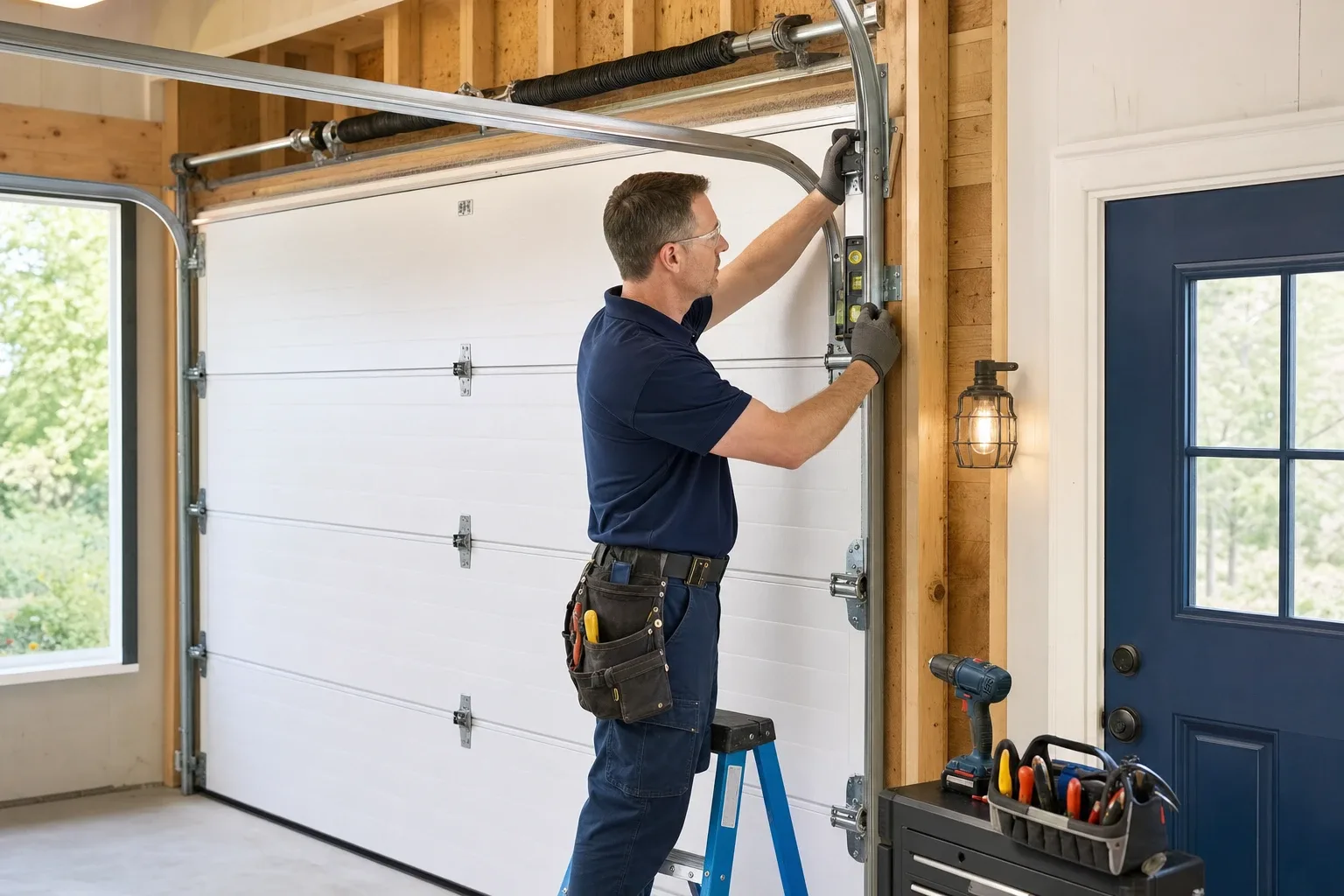
Illustrative image Off-Track Repair
Doors come off track in Connecticut most often after heavy wet snow builds up against the bottom section, or after a bent track from years of coastal corrosion finally lets a roller jump the rail. Both causes point to problems that predate the day the door actually jams.
Off-Track Repair details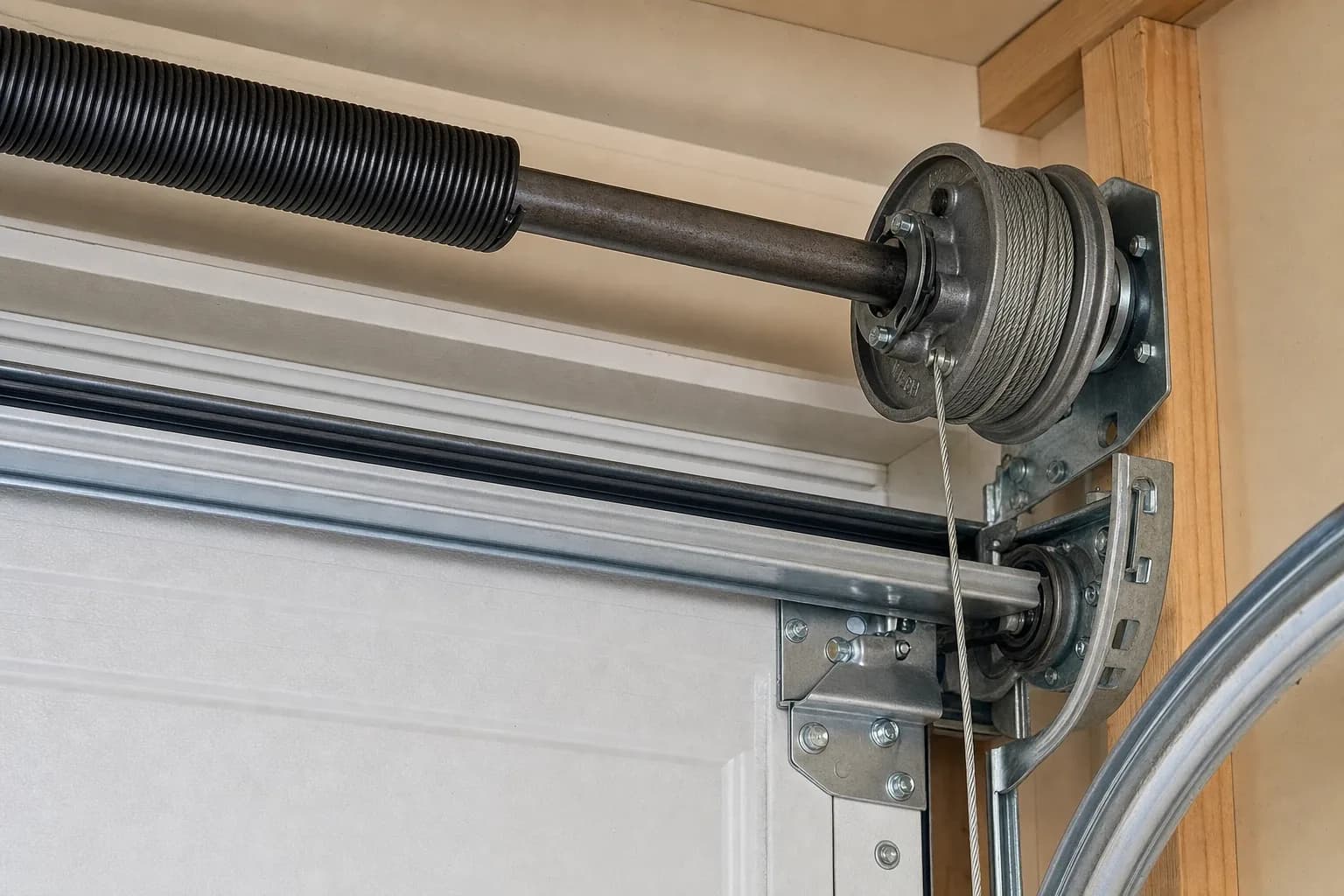
Illustrative image Cable Repair
Lift cables see steady wear from Connecticut's freeze-thaw cycles, which flex cable ends and drums repeatedly through a winter, and from salt-air corrosion in shoreline towns that attacks exposed steel strands faster than an inland garage would see.
Cable Repair details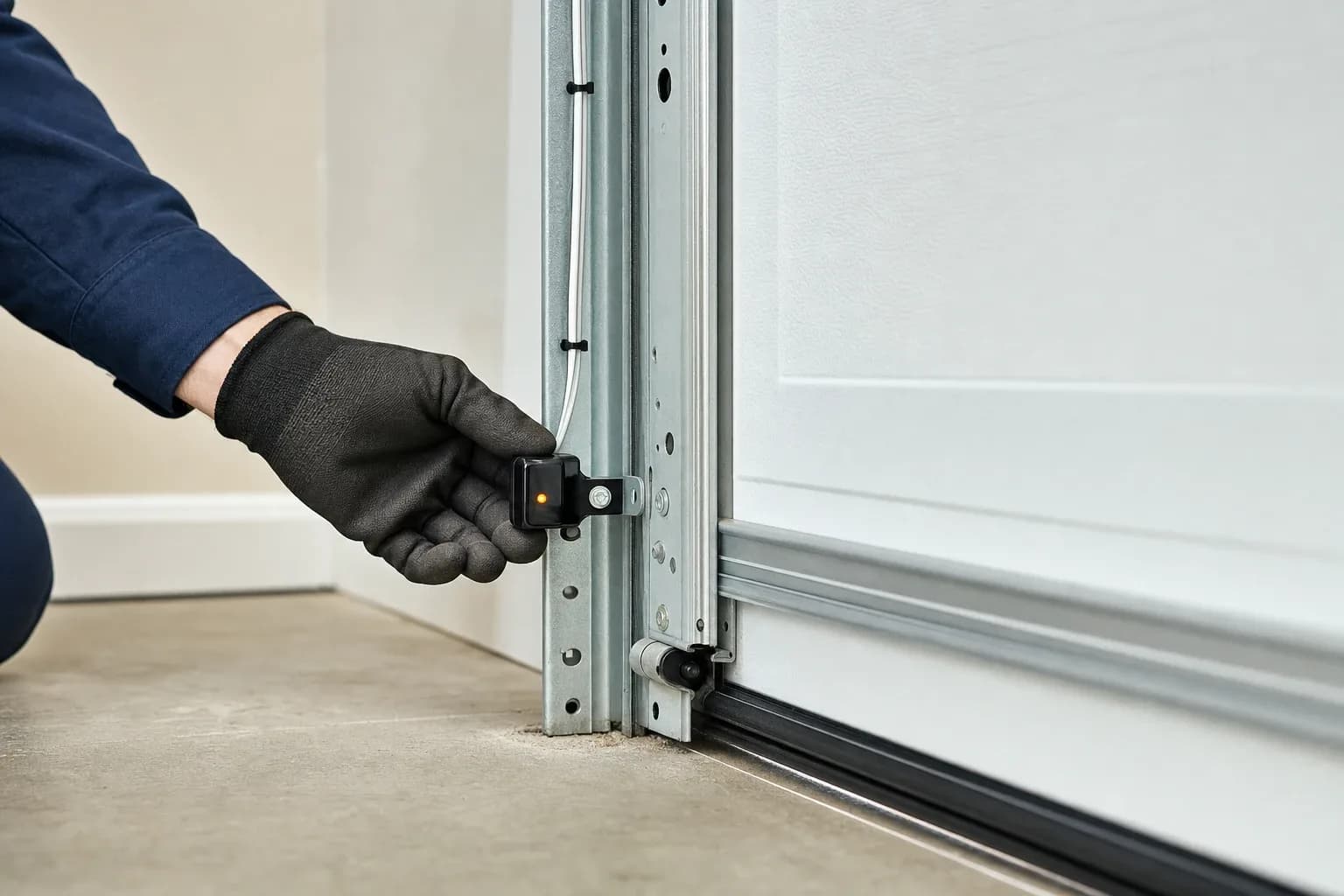
Illustrative image Sensor Repair
Photo-eye sensors misalign after a hard bump from snow removal equipment or a plow, and coastal units can develop corroded wiring connections faster than inland installations. A door that reverses or won't close is frequently a sensor alignment issue rather than a mechanical one.
Sensor Repair details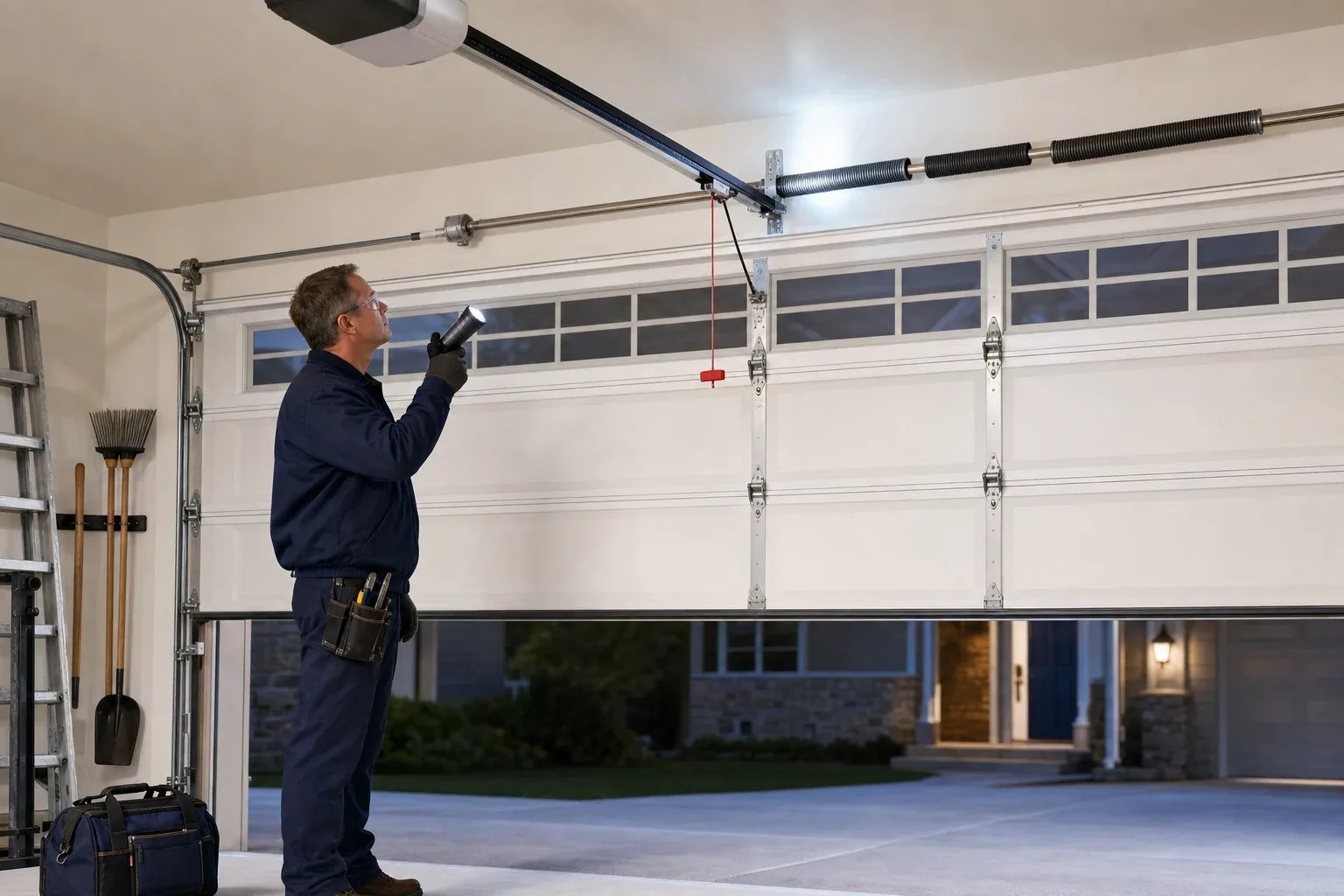
Illustrative image Emergency Repair
Emergency calls in Connecticut spike after a nor'easter or an ice storm, when a door has frozen shut, come off track under snow load, or lost power to its opener. Requesting service quickly after a storm keeps a stuck door from being forced and further damaged.
Emergency Repair details
New doors & openers
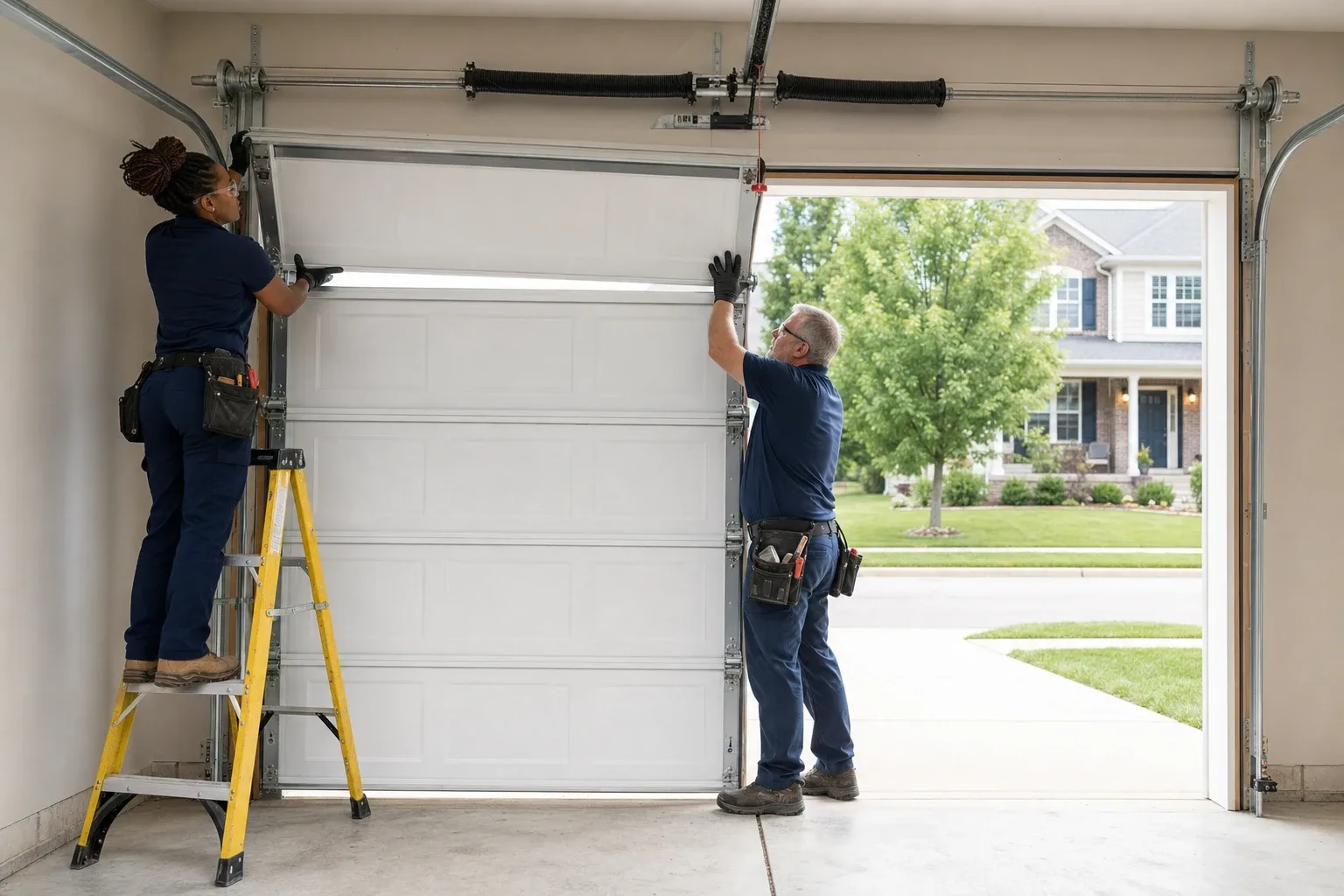
Illustrative image Installation
New installations in Connecticut range from replacing an original door on a postwar attached garage to fitting a first door into an older detached structure or converted carriage barn. Opening sizes and framing are less standardized on older Connecticut homes, so accurate measurement matters more than on newer construction.
Installation detailsIllustrative image Replacement
Replacement is common on Connecticut's older housing stock, where an original door has outlasted its hardware, insulation value, and weatherseal. Coastal homeowners also often replace doors specifically to get ahead of salt-air corrosion rather than waiting for a failure.
Replacement details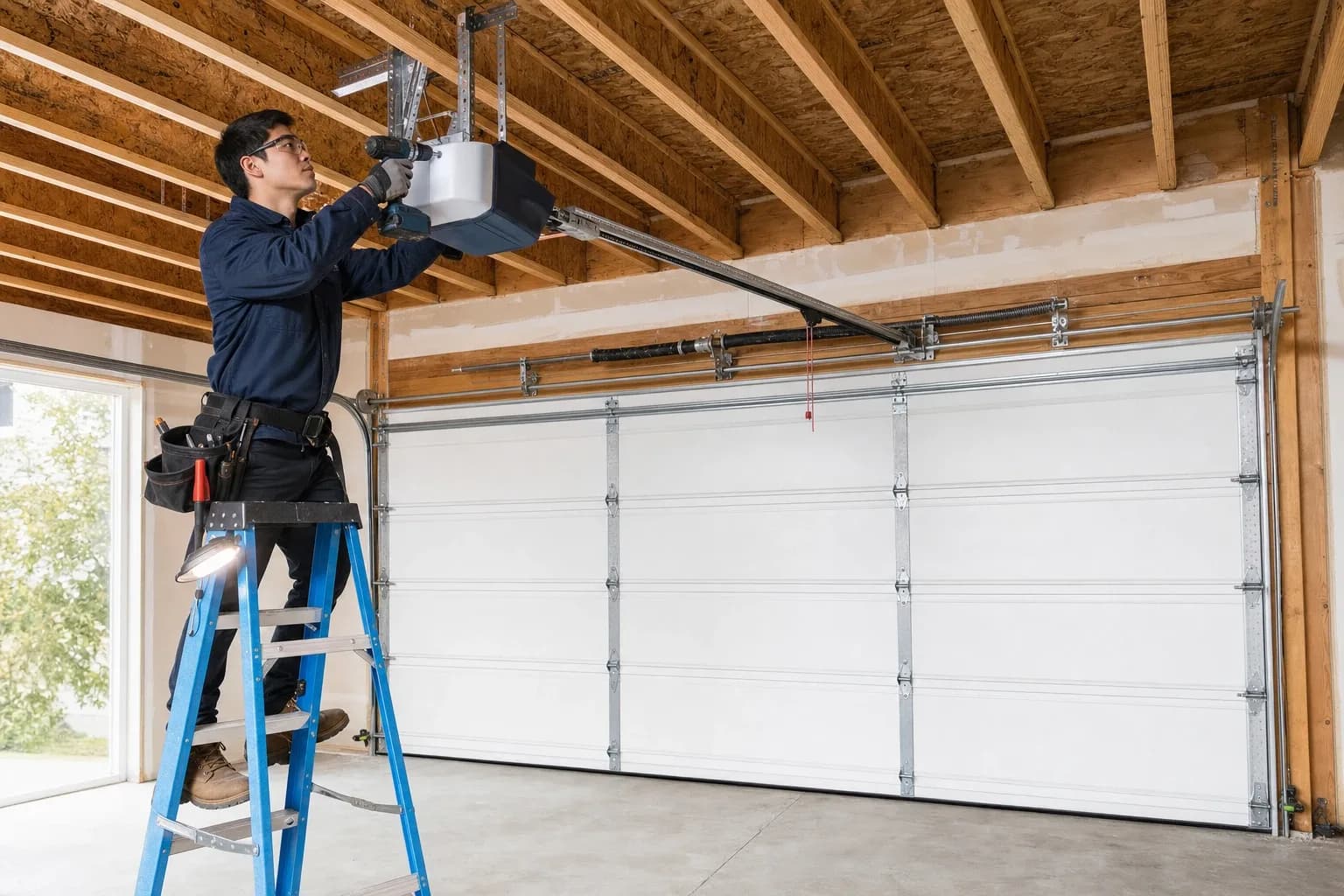
Illustrative image Opener Installation
New opener installs are common when a Connecticut homeowner adds battery backup ahead of storm season or upgrades an older chain-drive unit that has become unreliable in an unheated garage through repeated winters.
Opener Installation details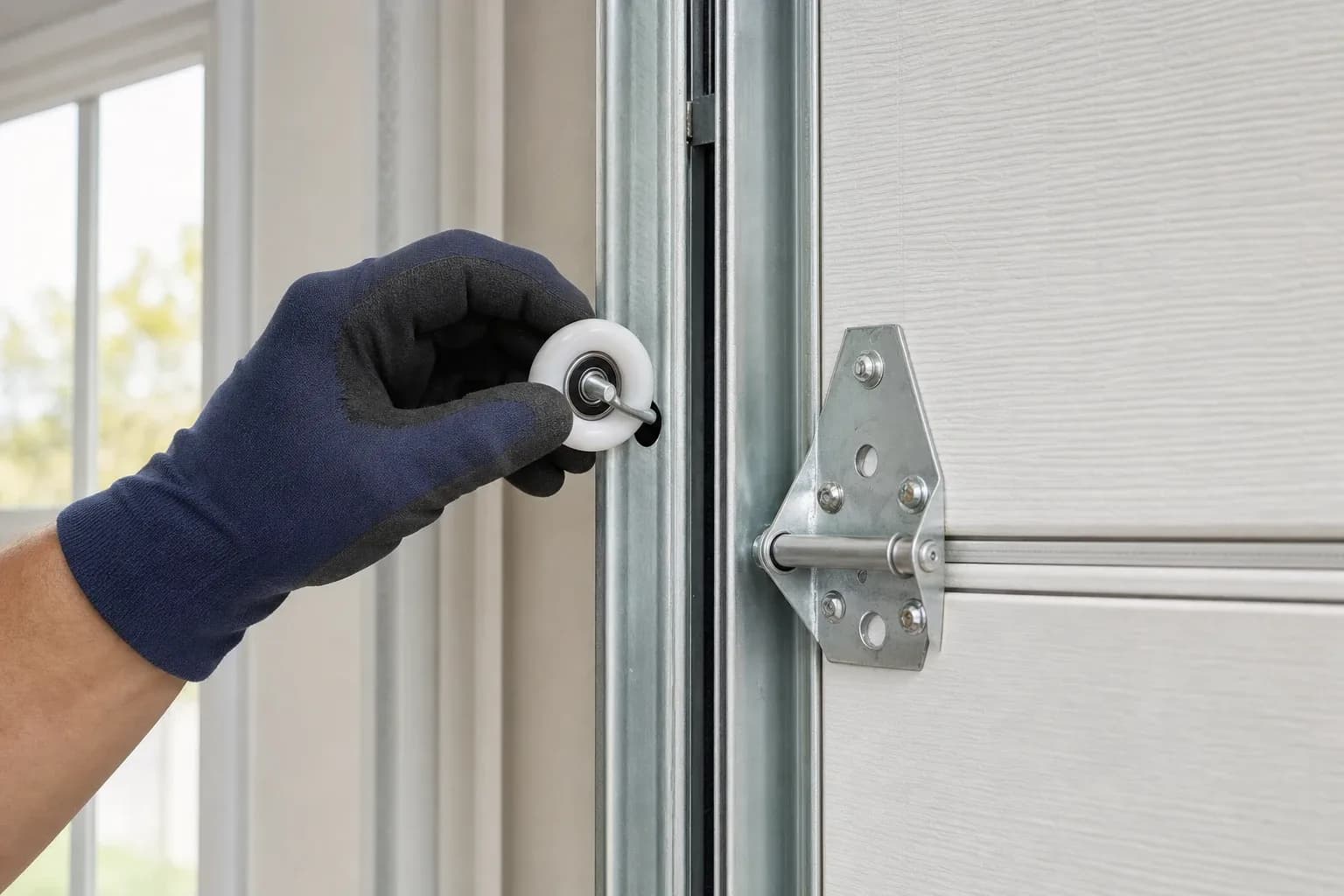
Illustrative image Roller Replacement
Rollers that have iced over or corroded from coastal salt air run noisier and wear the track faster, which is why roller condition is one of the first things worth checking on an older Connecticut door before a full replacement is assumed necessary.
Roller Replacement details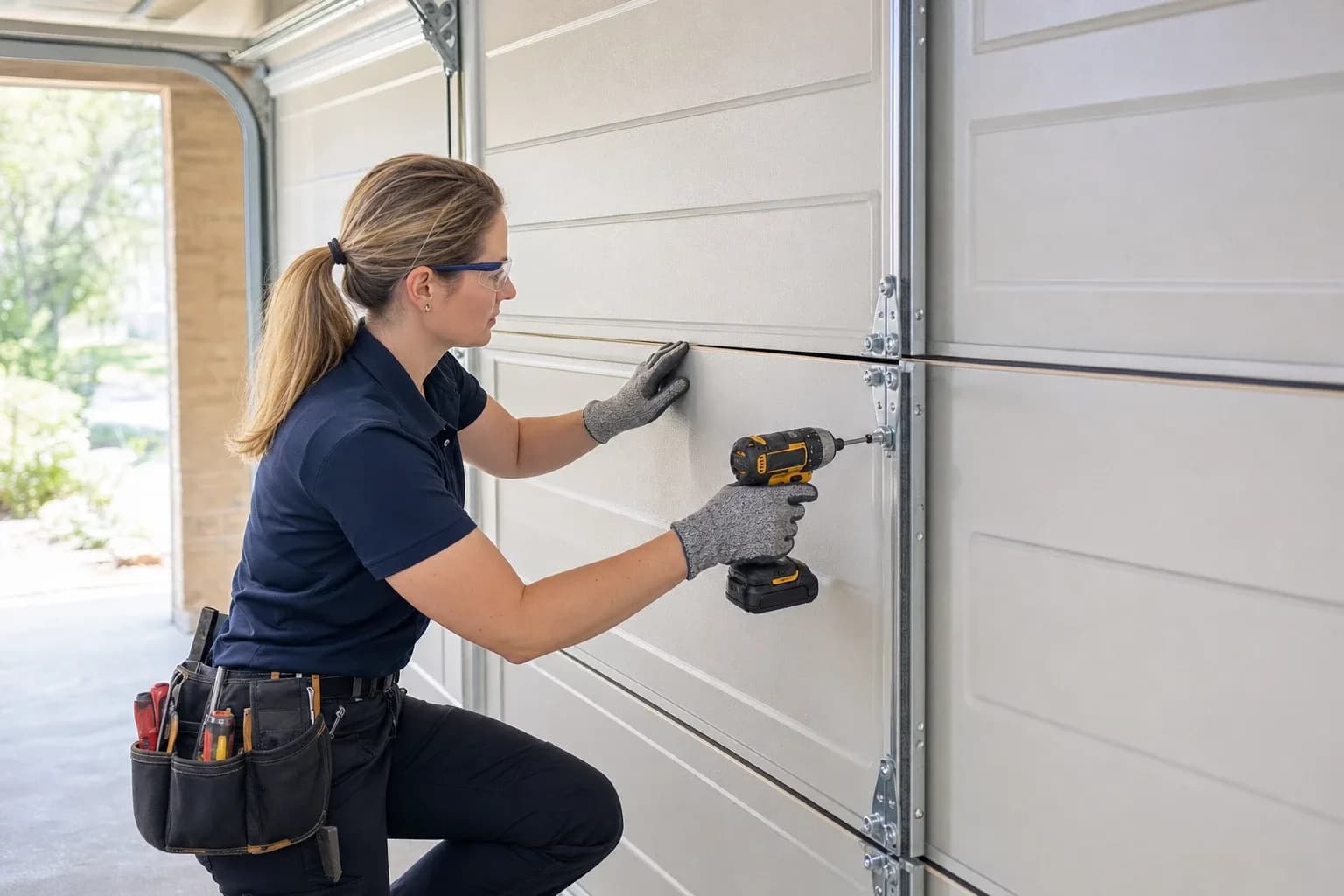
Illustrative image Panel Replacement
Panel damage in Connecticut often traces back to a plow, a wind-driven branch during a nor'easter, or years of trapped moisture along a shoreline home's bottom section. Matching an existing panel on an older door can also be harder here given how many older doors are no longer in production.
Panel Replacement details
Care & upkeep
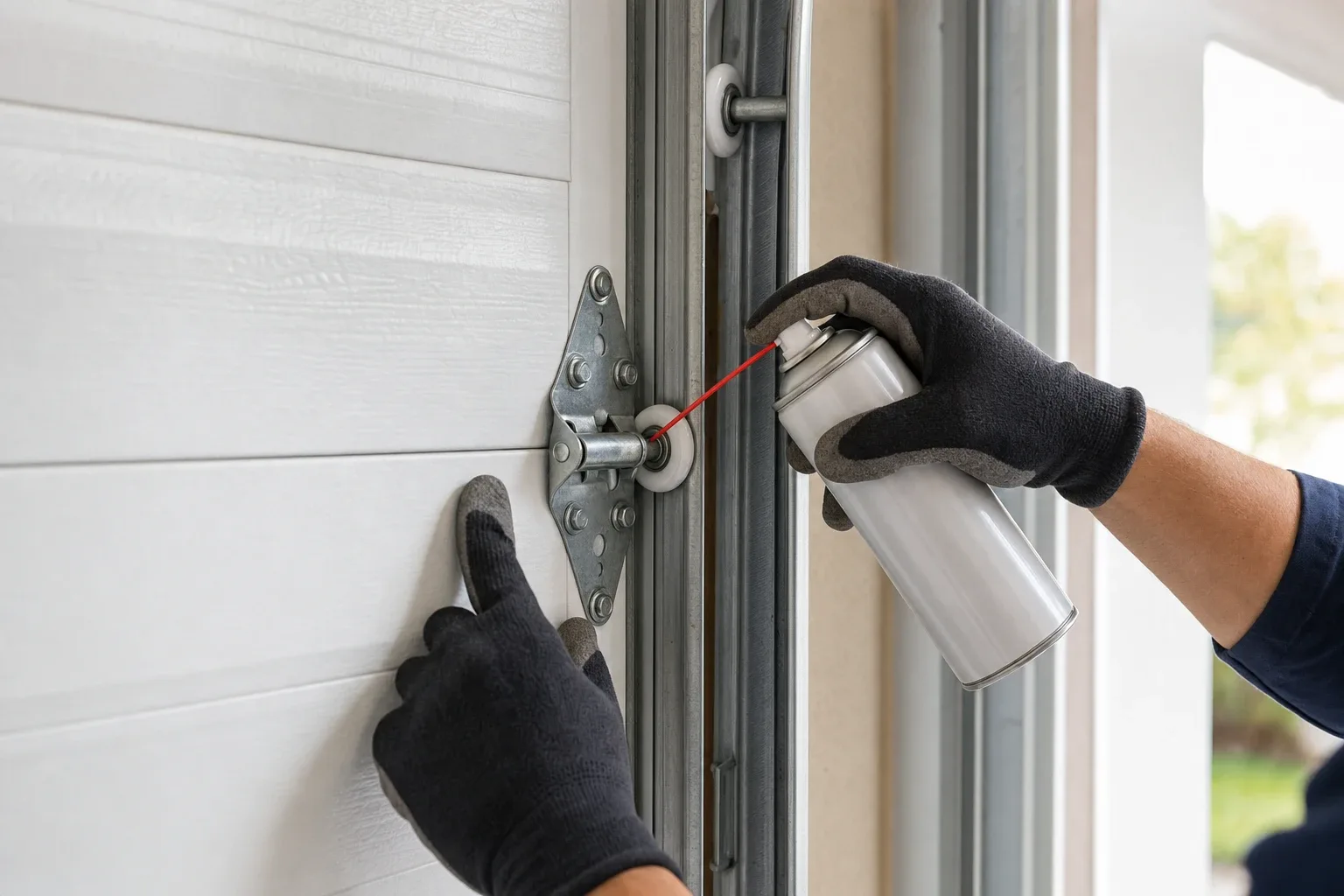
Illustrative image Maintenance
A seasonal maintenance visit matters more in Connecticut than in milder climates, since hardware needs a pre-winter check before sustained cold sets in and coastal hardware benefits from more frequent inspection for corrosion than an inland garage would need.
Maintenance details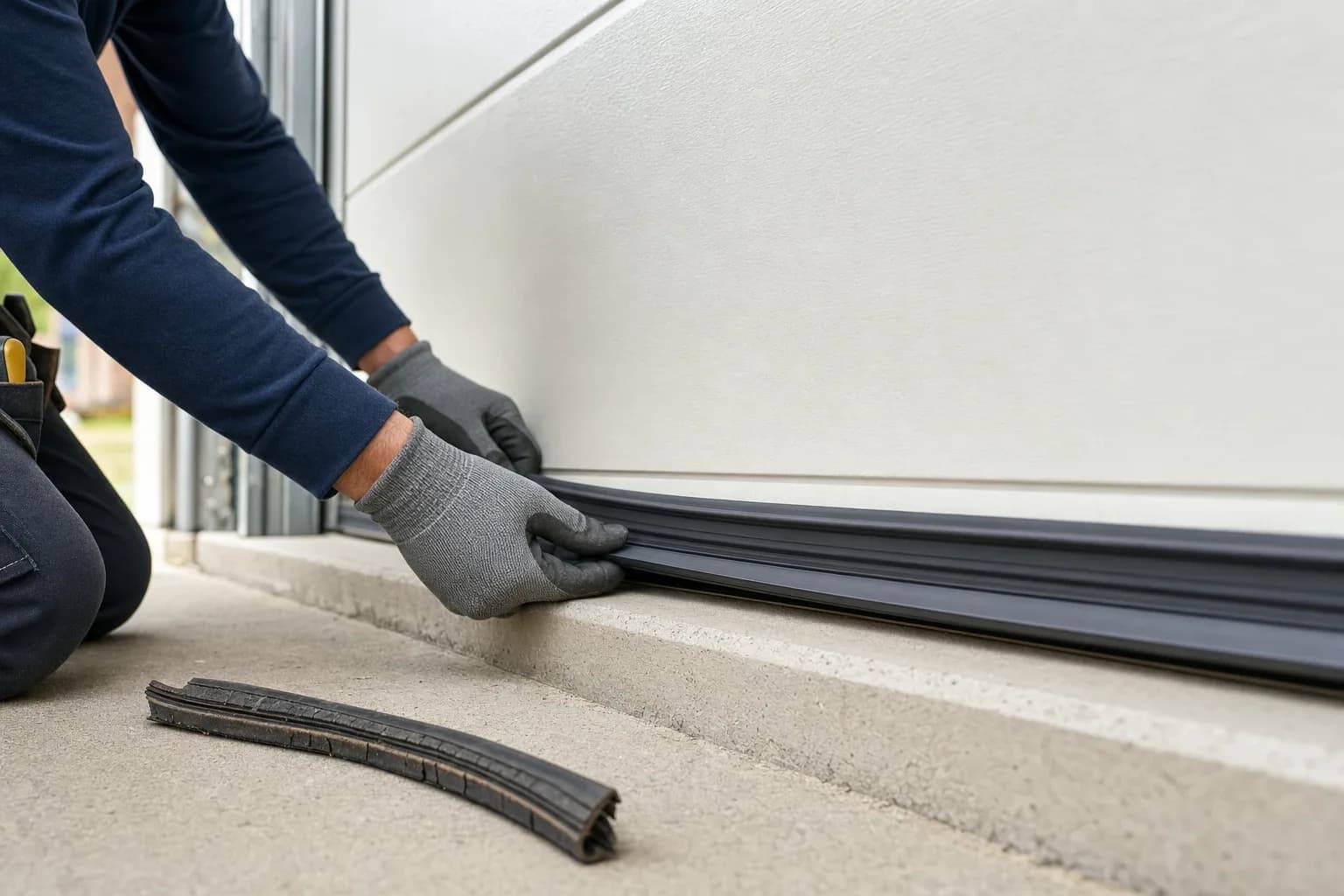
Illustrative image Weather Sealing
Weather sealing is one of the highest-value services for Connecticut homeowners, since a worn bottom seal or side seal lets in wind-driven nor'easter rain and cold air, and a good seal also slows the salt-laden humidity that reaches interior hardware near the coast.
Weather Sealing details
Connecticut Garage Pros
Request service
Send the details in two quick steps. This isn't a booking — we contact you to confirm the problem, the timing and the location first.